
Judge Reopens Trump IRS Lawsuit, Questions $1.776B Fund

Cover image from theintercept.com, which was analyzed for this article
A judge ordered the DOJ to address fraud claims in the $10 billion Trump IRS settlement case, with reports of White House officials being blindsided by the developments.
PoliticalOS
Sunday, May 31, 2026 — Politics
The core dispute centers on whether the IRS settlement improperly created a large compensation fund without congressional approval. A federal judge has required briefing on fraud claims by June 12, leaving the fund's viability unresolved amid separate litigation and congressional friction.
What outlets missed
The RedState account correctly notes the June 12 response deadline and the Virginia judge's hold but does not detail the original leak case's scope beyond Trump. No outlet provided the full text of the settlement agreement or independent verification of the $1.776 billion figure's calculation method. The role of the newly created IRS CEO position in signing the fund agreement received minimal scrutiny across coverage.
Gay Palestinian Seeks Refuge in Israel But Encounters Intelligence Pressure
A young Palestinian man identified as Kareem crossed into Israel in April 2024 after the Tel Aviv Court for Administrative Affairs opened a narrow path for LGBTQ+ Palestinians to seek asylum. The ruling marked a shift from prior policy that had treated such claims as ineligible. Kareem left Ramallah following threats from his father, who had pointed a gun at him and vowed to shoot if the rumors about his sexuality proved true.
Kareem entered a country that presents itself as a regional haven for sexual minorities. Israeli officials and supporters frequently cite legal protections and public events in cities such as Tel Aviv to support that image. Critics describe the emphasis as pinkwashing, an effort to draw attention away from the military occupation of the West Bank and repeated findings of violations of international law. Prime Minister Benjamin Netanyahu invoked the theme during a July 2024 address to the U.S. Congress when he dismissed protesters carrying “Gays for Gaza” signs.
Once inside Israel, Kareem held legal status while his asylum petition moved through administrative channels. Reporting indicates that Israeli authorities approached individuals in similar situations with requests for information on Palestinian society and security matters. The pattern raises questions about whether asylum procedures have been used to gather intelligence rather than solely to provide protection. Court records and interviews with legal advocates show that applicants have faced pressure to supply details on family members, neighbors, and political activity in exchange for continued residency or expedited processing.
The occupation itself creates additional constraints. Palestinians from the West Bank require permits to enter Israel, and any violation can result in immediate removal. This dependency places applicants in a position where cooperation with security services can determine whether they remain in the country or return to an environment where their safety is at risk. Human rights groups have documented cases in which individuals withdrew applications after refusing such requests, leaving them with few alternatives.
Israeli government statements maintain that security screening is standard for all non-citizens and that LGBTQ+ claims receive equal consideration. Officials have not addressed specific allegations tied to Kareem or others in recent filings. Legal representatives for asylum seekers argue that the combination of permit requirements and intelligence requests effectively conditions safety on providing information that could endanger relatives still in the West Bank.
Advocates note that the 2024 court decision expanded eligibility on paper yet left the practical process unchanged in key respects. Applicants must navigate lengthy interviews, supply extensive documentation, and demonstrate both persecution and the absence of internal relocation options. Distance from family may reduce immediate physical threats, yet the bureaucratic requirements introduce new vulnerabilities. Reports from organizations monitoring the cases describe repeated delays and requests for additional evidence that extend the period during which individuals remain dependent on temporary permits.
The broader debate over Israel’s record on LGBTQ+ issues continues alongside these individual cases. While domestic law prohibits discrimination on the basis of sexual orientation, the military occupation of the West Bank and restrictions on movement remain unchanged. For Palestinians such as Kareem, the decision to seek protection inside Israel therefore occurs within a framework that links personal security to state security demands. The outcome of pending asylum claims will determine whether the 2024 ruling produces durable protection or primarily serves other institutional objectives.
You just read Progressive's take. Want to read what actually happened?
More in Politics

Trump Defends Ramaswamy Ad Using Estranged Mother in Ohio Race
President Trump defended a GOP nominee's ad featuring a Democratic opponent's estranged mother, calling it powerful, while drawing criticism from some Republicans including Ohio Gov. Mike DeWine. The ad has sparked internal GOP tensions ahead of midterms.

Federal Raid Targets Omar Amid Unresolved Name and Marriage Allegations
Agents searched Rep. Ilhan Omar's DC residence over immigration fraud allegations; she called it bizarre. Reports and commentary questioned her birth name and past marriage details.

Supreme Court Upholds New Hampshire Student ID Voting Ban
The Supreme Court upheld New Hampshire's ban on student IDs as valid voter identification just before midterms, affecting a tight Senate race.
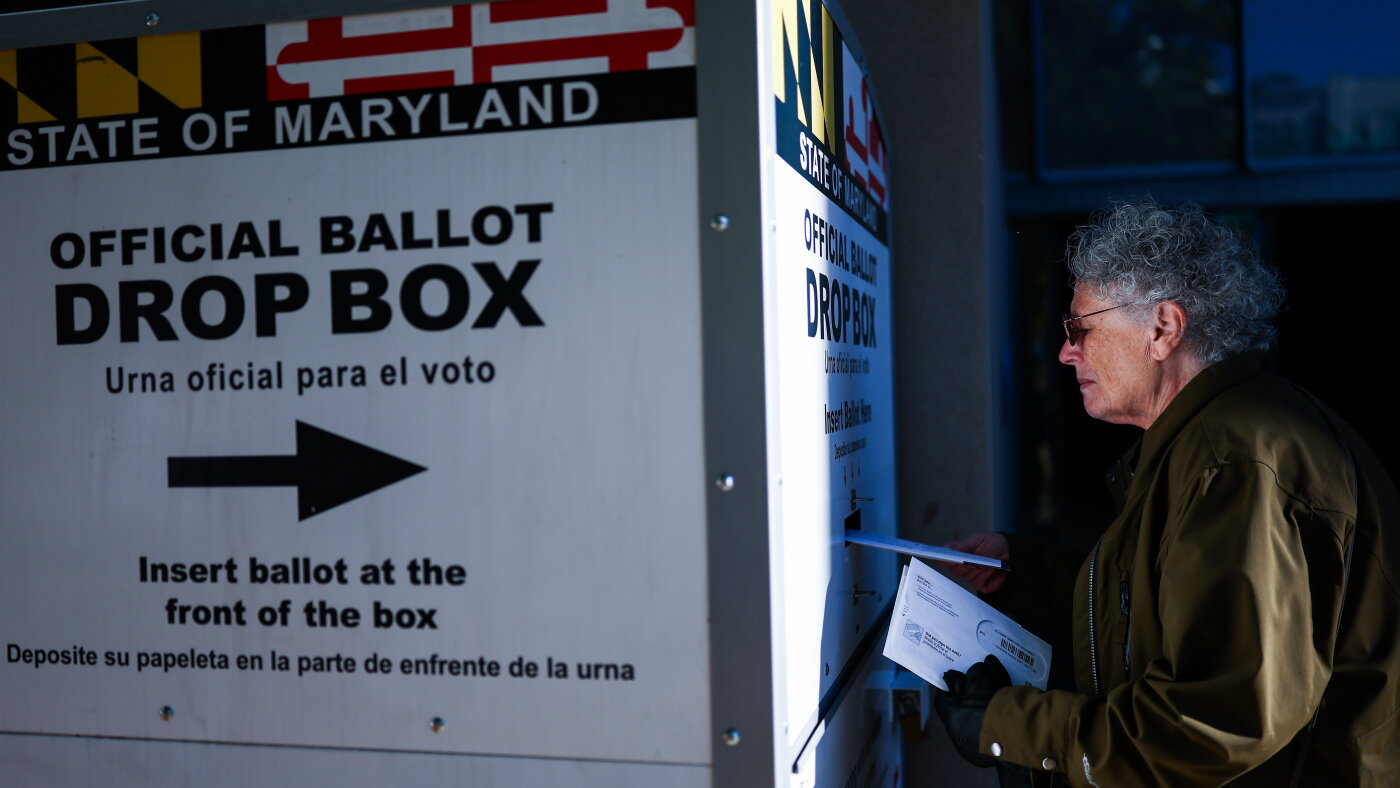
Early Voting Hits 21 Million as Most Trust Midterm Accuracy
Millions have already voted early as parties make final appeals amid $1.4 billion in ad spending; polls show confidence in election accuracy.
The Compass
You just read five takes on one story.
What's your take? Find your political shape in a few minutes.
Take the test