
Trump DOJ Settlement Creates $1.8 Billion Anti-Weaponization Fund
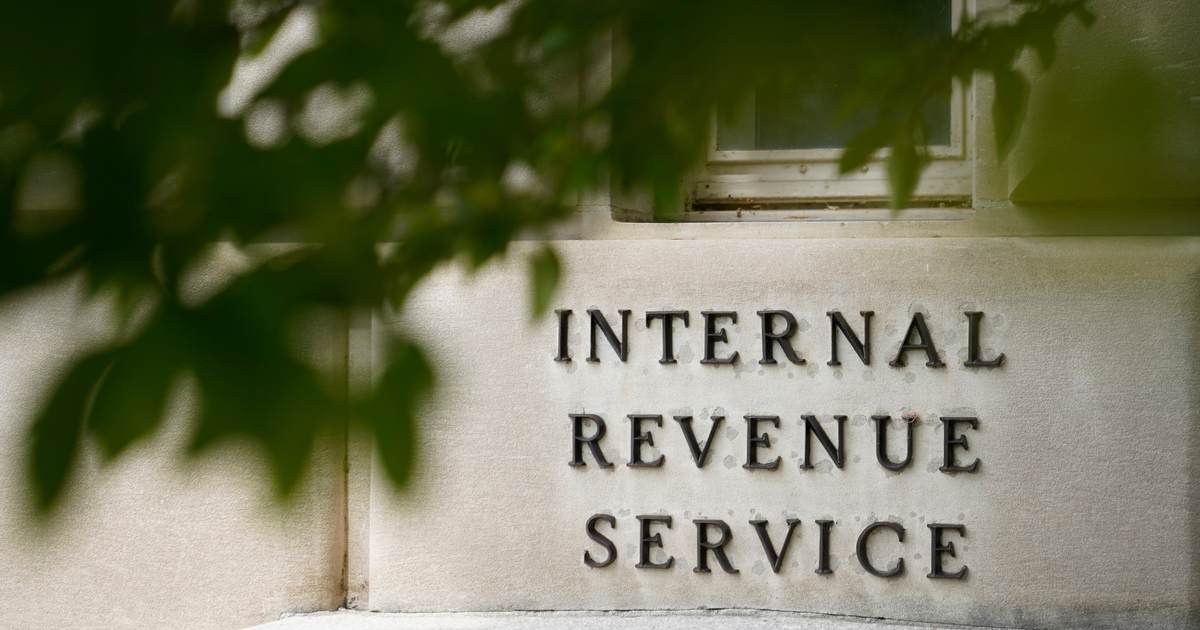
Cover image from redstate.com, which was analyzed for this article
Trump administration moves on IRS enforcement and potential slush funds draw criticism from experts as possibly illegal or corrupt. Bipartisan concerns emerge over taxpayer privacy.
PoliticalOS
Tuesday, May 19, 2026 — Politics
The settlement resolves a high-profile lawsuit by creating a large compensation fund outside standard congressional appropriations channels. Its legality and use will be tested through political oversight and potential court challenges rather than through immediate judicial invalidation.
What outlets missed
Most coverage omitted the settlement’s explicit reversion clause returning unspent funds to the Treasury and the formal apology-only outcome for the Trump plaintiffs. Few outlets detailed the Keepseagle precedent cited by the Justice Department or the absence of partisan eligibility restrictions for claims. Reporting also underplayed the specific procedural path that routes money through the existing Judgment Fund rather than new appropriations.
Trump Reaches Settlement in IRS Lawsuit Over Leaked Tax Returns
President Donald Trump has settled his $10 billion lawsuit against the Internal Revenue Service stemming from unauthorized leaks of his personal tax records and those of his family during his first term. The agreement includes creation of a new fund aimed at addressing what the administration describes as government weaponization against political opponents.
The leaks originated with a former IRS contractor named Charles Littlejohn who improperly accessed and shared confidential taxpayer data with media outlets. Littlejohn was convicted and sentenced to prison for the breach which extended beyond Trump to thousands of other high profile individuals. Trump filed the suit arguing that federal agencies failed in their core duty to protect private financial information leading to reputational and financial harm.
Under the terms announced by the Justice Department the settlement provides a formal apology to the plaintiffs with no direct monetary damages paid to Trump himself. Instead nearly 1.8 billion dollars will go toward a new initiative focused on victims of alleged government overreach. Legal observers note this arrangement sidesteps a likely court dismissal of the original claims while directing resources toward broader accountability efforts.
Critics from left leaning outlets have labeled the fund a potential slush fund and raised concerns about its oversight. Supporters counter that it represents a necessary response to documented abuses including selective leaks that fueled years of partisan attacks. The case highlights long standing problems with taxpayer privacy protections when sensitive records fall into the hands of contractors or political adversaries.
Trump has long argued that agencies like the IRS have been turned against conservatives through audits leaks and investigations. This settlement fits that pattern by shifting focus from personal compensation to systemic reforms. The contractor breach occurred while Trump was president yet the data continued to surface in ways that prolonged media scrutiny long after his term.
Republicans in Congress have pointed to the episode as evidence that stronger safeguards are needed to prevent future disclosures of private returns. The agreement avoids a drawn out trial that could have exposed additional details about how the leaks were handled internally at the IRS and Treasury Department.
Public reaction has split along familiar lines with some viewing the fund as payback for allies and others seeing it as long overdue pushback against institutional bias. Recent polling shows economic concerns dominating voter priorities which may limit the political fallout from the settlement itself. The episode underscores ongoing tensions over how federal agencies manage and protect the vast amounts of personal data they collect from citizens.
Further details on fund administration and eligible recipients are expected in coming weeks as the Justice Department implements the terms. Trump has described the outcome as a step toward restoring trust in government processes that have too often targeted political figures rather than upholding neutral standards.
You just read America First's take. Want to read what actually happened?
More in Politics
Trump at 32% Approval as Gas Prices Test GOP Midterm Hopes
NYT/Siena polling showed Trump's approval at historic lows around 32 percent with Democrats leading by double digits in key districts. Early voting has surged in battleground states.

Record Early Voting Hits Battlegrounds, Shifting Partisan Shares
AP analysis found hundreds of thousands more early ballots than in 2022 in states including Texas, Ohio, Kansas, Maine, and North Carolina, shifting partisan dynamics.
Trump Backs Marshall in Kansas Senate Race Tightened by Farm Costs
President Trump rallied in deep-red Kansas for GOP Sen. Roger Marshall in a competitive race, announcing an $8 billion farm fuel relief program amid high diesel prices. Democrats see an opening to end 94 years of GOP dominance in the state.

Trump Pauses Russia Sanctions Amid Ukraine Tensions and Missile Strikes
Trump waived sanctions on Russia and floated trilateral talks with Putin and Xi as part of ending the Ukraine war, while tensions rose with Zelenskyy over Starlink and arms. Bipartisan senators engaged Zelenskyy amid the shifts.
The Compass
You just read five takes on one story.
What's your take? Find your political shape in a few minutes.
Take the test