
Trump DOJ Settlement Creates $1.8 Billion Anti-Weaponization Fund
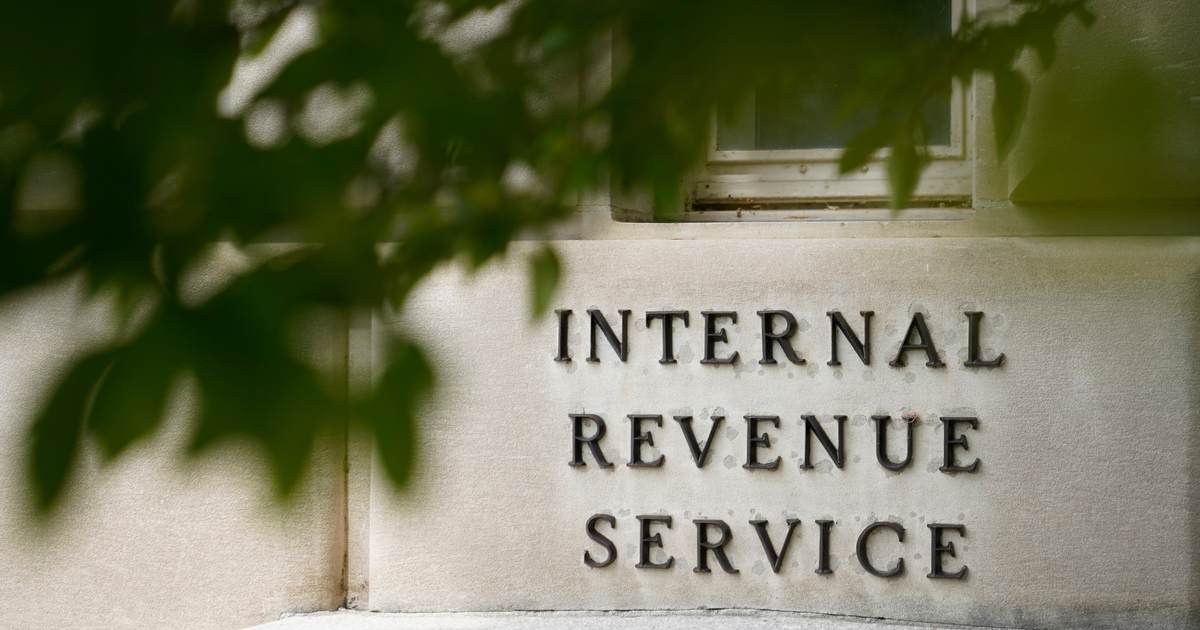
Cover image from redstate.com, which was analyzed for this article
Trump administration moves on IRS enforcement and potential slush funds draw criticism from experts as possibly illegal or corrupt. Bipartisan concerns emerge over taxpayer privacy.
PoliticalOS
Tuesday, May 19, 2026 — Politics
The settlement resolves a high-profile lawsuit by creating a large compensation fund outside standard congressional appropriations channels. Its legality and use will be tested through political oversight and potential court challenges rather than through immediate judicial invalidation.
What outlets missed
Most coverage omitted the settlement’s explicit reversion clause returning unspent funds to the Treasury and the formal apology-only outcome for the Trump plaintiffs. Few outlets detailed the Keepseagle precedent cited by the Justice Department or the absence of partisan eligibility restrictions for claims. Reporting also underplayed the specific procedural path that routes money through the existing Judgment Fund rather than new appropriations.
Trump Reaches Settlement in IRS Lawsuit Creating New Government Fund
The Justice Department has settled a lawsuit filed by President Donald Trump against the Internal Revenue Service, establishing a new $1.8 billion fund that will be administered under the administration’s direction. The arrangement resolves claims stemming from the unauthorized disclosure of Trump’s tax returns and those of his associates during his first term. It also creates a mechanism for distributing payments to individuals described as victims of government overreach, a category that some observers expect could extend to participants in the January 6 Capitol events.
The underlying dispute traces back to actions by IRS contractor Charles Littlejohn, who was convicted for leaking confidential tax information to media outlets. Trump’s original complaint sought $10 billion in damages, arguing that the agency failed to protect sensitive records and that the disclosures caused measurable harm. Because the Justice Department now operates under the same administration that brought the suit, the settlement effectively places both plaintiff and defendant on the same side of the table. Legal analysts have noted that this structure bypasses the usual adversarial process in which the department would defend the IRS against such claims.
Under the terms announced this week, the new fund will not provide direct compensation to Trump or his family. Instead, resources are to be directed toward a broader category of cases involving alleged weaponization of federal agencies. The precise criteria for eligibility remain unclear, as does the degree of direct presidential oversight. Harry Litman, a former federal prosecutor and legal commentator, has described the setup as one that raises serious questions about the separation between executive authority and the allocation of public funds. He and other observers have pointed out that the fund’s creation occurred without the usual legislative appropriations process or independent judicial review that would normally constrain such expenditures.
The episode highlights ongoing tensions over how federal agencies handle private financial data. Even critics of the settlement acknowledge that the Littlejohn breach exposed real weaknesses in IRS data security and that stronger safeguards would benefit taxpayers across the political spectrum. At the same time, routing the remedy through a presidentially controlled fund introduces new risks of selective distribution. Past administrations have occasionally directed resources toward specific policy goals, but the scale and direct personal involvement of the chief executive in this instance mark a departure from established practice.
Public reaction has so far divided along familiar lines. Supporters view the outcome as a corrective step against perceived abuses of investigative power. Opponents see it as an institutional workaround that could set a precedent for future leaders to redirect government money toward political allies. A recent New York Times poll showing declining public confidence in the administration’s handling of the economy may influence how the settlement is received, though the connection between fiscal stewardship and this particular arrangement remains indirect.
The Justice Department has characterized the agreement as a formal resolution that includes an apology to affected parties without additional monetary awards to the original plaintiffs. Details on oversight mechanisms and reporting requirements have not yet been released. As implementation proceeds, questions about accountability and the long-term effects on agency independence are likely to persist.
You just read Liberal's take. Want to read what actually happened?
More in Politics
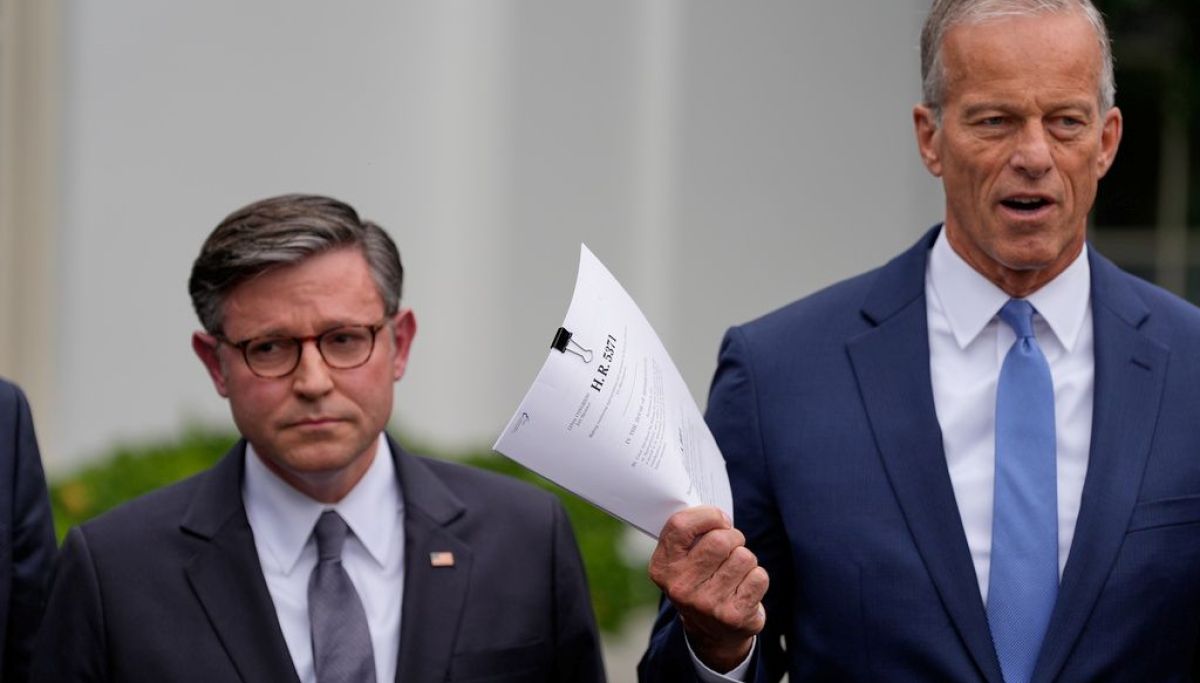
Trump at 32% Approval as Gas Prices Test GOP Midterm Hopes
NYT/Siena polling showed Trump's approval at historic lows around 32 percent with Democrats leading by double digits in key districts. Early voting has surged in battleground states.

Record Early Voting Hits Battlegrounds, Shifting Partisan Shares
AP analysis found hundreds of thousands more early ballots than in 2022 in states including Texas, Ohio, Kansas, Maine, and North Carolina, shifting partisan dynamics.
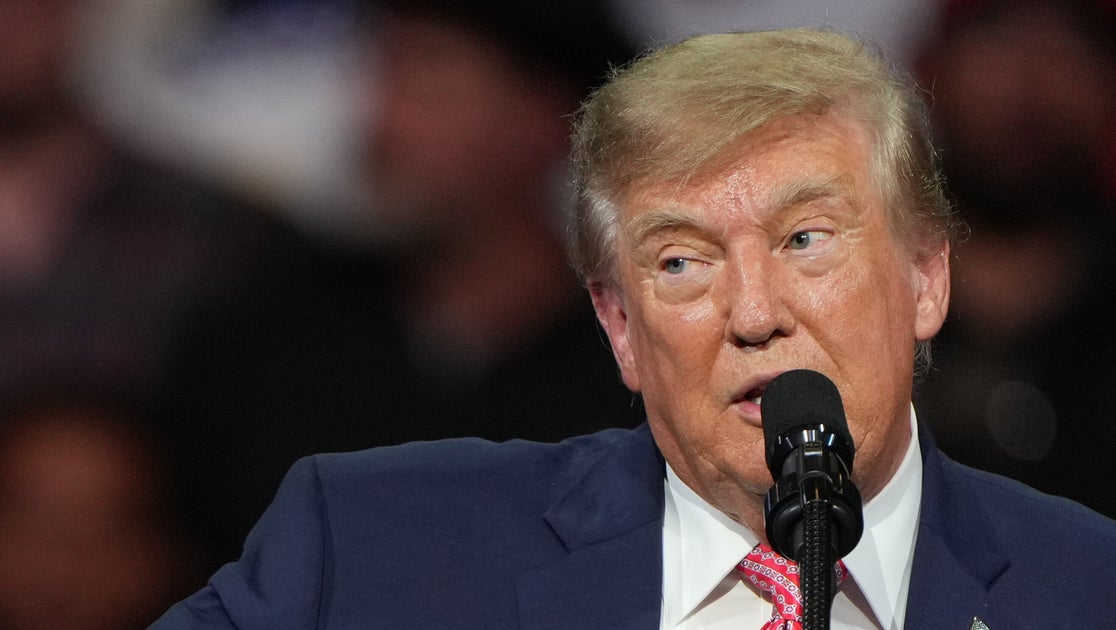
Trump Backs Marshall in Kansas Senate Race Tightened by Farm Costs
President Trump rallied in deep-red Kansas for GOP Sen. Roger Marshall in a competitive race, announcing an $8 billion farm fuel relief program amid high diesel prices. Democrats see an opening to end 94 years of GOP dominance in the state.

Trump Pauses Russia Sanctions Amid Ukraine Tensions and Missile Strikes
Trump waived sanctions on Russia and floated trilateral talks with Putin and Xi as part of ending the Ukraine war, while tensions rose with Zelenskyy over Starlink and arms. Bipartisan senators engaged Zelenskyy amid the shifts.
The Compass
You just read five takes on one story.
What's your take? Find your political shape in a few minutes.
Take the test