
Trump DOJ Settlement Creates $1.8 Billion Anti-Weaponization Fund
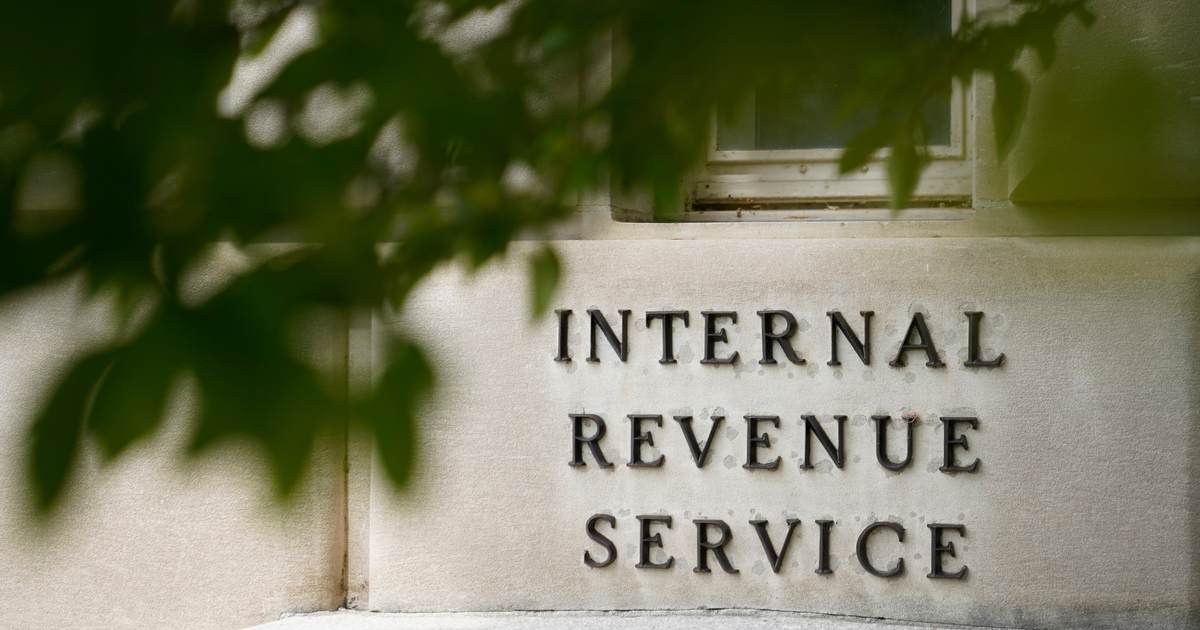
Cover image from redstate.com, which was analyzed for this article
Trump administration moves on IRS enforcement and potential slush funds draw criticism from experts as possibly illegal or corrupt. Bipartisan concerns emerge over taxpayer privacy.
PoliticalOS
Tuesday, May 19, 2026 — Politics
The settlement resolves a high-profile lawsuit by creating a large compensation fund outside standard congressional appropriations channels. Its legality and use will be tested through political oversight and potential court challenges rather than through immediate judicial invalidation.
What outlets missed
Most coverage omitted the settlement’s explicit reversion clause returning unspent funds to the Treasury and the formal apology-only outcome for the Trump plaintiffs. Few outlets detailed the Keepseagle precedent cited by the Justice Department or the absence of partisan eligibility restrictions for claims. Reporting also underplayed the specific procedural path that routes money through the existing Judgment Fund rather than new appropriations.
Trump Creates Billion Dollar Fund for Allies in IRS Settlement
President Donald Trump has reached a settlement in his $10 billion lawsuit against the Internal Revenue Service that transfers nearly 1.8 billion dollars in taxpayer money into a new fund under his direct control. The arrangement, announced by the Justice Department this week, allows Trump to direct payments to individuals and groups he claims were harmed by government actions, a development that legal experts have described as a potential slush fund with few precedents in modern American governance.
The original lawsuit stemmed from leaks of Trump's tax returns during his first term in office. Those records were improperly accessed by a former IRS contractor named Charles Littlejohn, who was later convicted and sentenced for sharing the information with media outlets. Trump filed the suit claiming massive damages from the breach, even though he controlled the agency at the time the leaks occurred. Rather than proceed to a likely dismissal in court, the Justice Department, now overseen by Trump's appointees, negotiated an agreement that bypasses further litigation.
Under the terms, the new fund will receive the bulk of the settlement resources. Reports indicate it could distribute money to a range of allies, including participants in the January 6 Capitol riot whom Trump has portrayed as victims of prosecutorial overreach. The Justice Department statement noted that plaintiffs would receive a formal apology but no direct monetary damages, shifting the focus instead to the creation of this separate pool of resources.
Legal observers have reacted with alarm. Harry Litman, a former federal prosecutor and host of the Talking Feds podcast, called the deal both illegal in spirit and nearly impossible to block through normal channels. He pointed out that the arrangement effectively lets Trump use executive power to reward supporters with public funds while avoiding judicial scrutiny. Other analysts have labeled it a form of corruption that could set dangerous precedents for future administrations seeking to bypass congressional appropriations.
The settlement comes at a moment when Trump's economic standing has weakened in recent polling. A New York Times survey released this month showed sharp declines in public confidence on inflation and job growth, areas where Republicans had hoped to maintain an advantage heading into the fall elections. Democrats are already signaling plans to highlight the IRS deal as evidence of misplaced priorities, arguing that taxpayer dollars are being redirected for political payback rather than core government functions.
Conservative outlets have framed the episode differently, emphasizing the need for stronger protections on taxpayer privacy following the Littlejohn breach. They note that the leaks affected not only Trump but thousands of other prominent individuals and argue that the suit drew necessary attention to vulnerabilities in federal data security. Yet the outcome, with its focus on a Trump-controlled fund rather than systemic reforms or compensation for affected parties, has done little to address those broader concerns.
The mechanics of the agreement remain opaque. It is unclear what criteria will determine eligibility for payments or how oversight will function once the fund is established. Critics worry that the structure invites favoritism, allowing Trump to channel resources to political allies without standard accountability measures. Supporters counter that the move corrects past abuses and signals a commitment to shielding citizens from government intrusion.
For now, the fund stands as a concrete result of Trump's second term, one that consolidates executive influence over significant public resources. Legal challenges appear unlikely to succeed given the Justice Department's role in crafting the deal, leaving Congress and voters as the primary avenues for response. As the midterm cycle intensifies, the political costs of defending or opposing the arrangement could shape campaign narratives on both sides.
You just read Progressive's take. Want to read what actually happened?
More in Politics
Trump at 32% Approval as Gas Prices Test GOP Midterm Hopes
NYT/Siena polling showed Trump's approval at historic lows around 32 percent with Democrats leading by double digits in key districts. Early voting has surged in battleground states.

Record Early Voting Hits Battlegrounds, Shifting Partisan Shares
AP analysis found hundreds of thousands more early ballots than in 2022 in states including Texas, Ohio, Kansas, Maine, and North Carolina, shifting partisan dynamics.
Trump Backs Marshall in Kansas Senate Race Tightened by Farm Costs
President Trump rallied in deep-red Kansas for GOP Sen. Roger Marshall in a competitive race, announcing an $8 billion farm fuel relief program amid high diesel prices. Democrats see an opening to end 94 years of GOP dominance in the state.

Trump Pauses Russia Sanctions Amid Ukraine Tensions and Missile Strikes
Trump waived sanctions on Russia and floated trilateral talks with Putin and Xi as part of ending the Ukraine war, while tensions rose with Zelenskyy over Starlink and arms. Bipartisan senators engaged Zelenskyy amid the shifts.
The Compass
You just read five takes on one story.
What's your take? Find your political shape in a few minutes.
Take the test