
Trump Seeks Supreme Court Review of Mail-In Voting Order

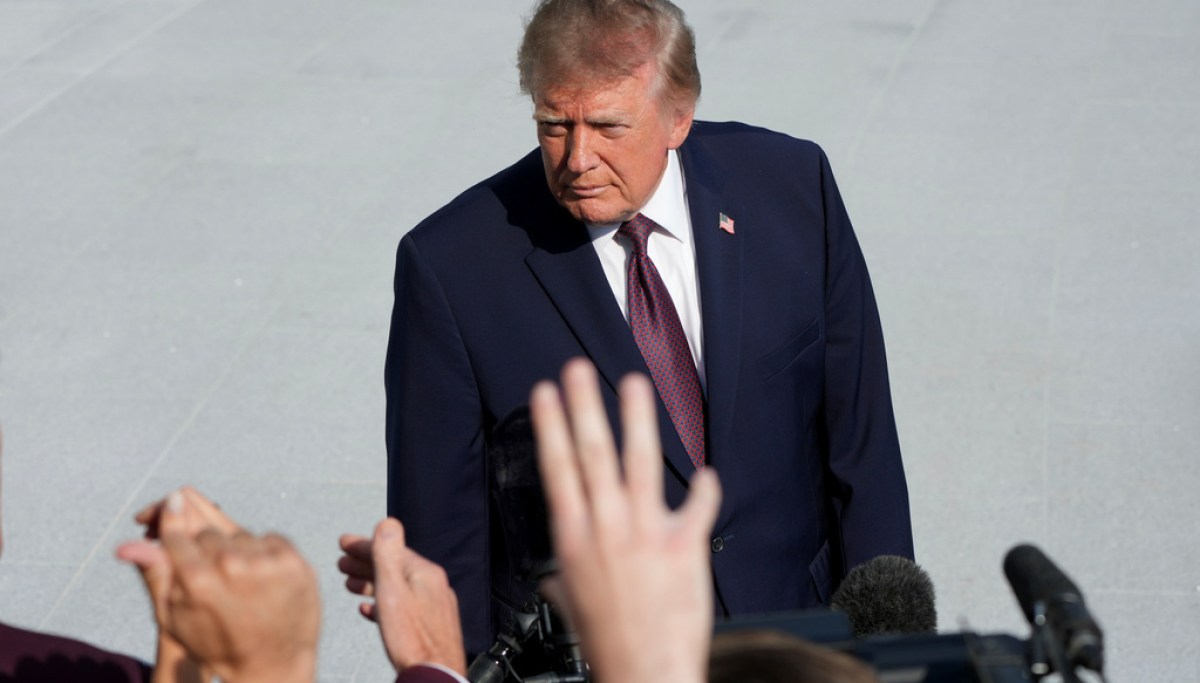
Cover image from rawstory.com, which was analyzed for this article
The Trump administration asked the Supreme Court to permit limits on mail-in ballots ahead of the 2026 midterms, with an executive order targeting certain voting methods. GOP senators showed mixed reactions amid concerns over midterm impacts.
PoliticalOS
Tuesday, July 28, 2026 — Politics
The core unresolved question is whether the executive order’s limits on Postal Service delivery of ballots can take effect before the midterms or whether courts will keep the current system in place. Senate Republicans have so far declined to clear procedural hurdles for related legislation. Readers should track the Supreme Court’s response to the stay request for the clearest signal on timing.
What outlets missed
The March order explicitly requires agencies to draw voter eligibility lists from federal citizenship records, a mechanism central to the administration’s stated rationale but omitted from the Time account. USPS has used contracted armed security at dozens of sites for years, according to a 2022 inspector general audit, providing operational context for the new hours that Raw Story did not include. Government data show mail-facility robberies rose sharply between 2019 and recent years, an independent security rationale absent from coverage focused on election motives. Senate Republican resistance to the SAVE Act stems partly from the 60-vote threshold and defense-spending disputes, details that clarify the legislative math beyond simple defiance narratives.
The 2026 midterm elections hinge in part on whether federal agencies can restrict which voters receive mail ballots. President Trump’s March executive order directed the Department of Homeland Security and Social Security Administration to build state-by-state lists of eligible voters from federal records and instructed the Postal Service to deliver absentee ballots only to names on those lists. Democratic officials in 23 states and the District of Columbia sued, arguing the order exceeds presidential authority. A federal district judge in Massachusetts blocked enforcement for those jurisdictions last month. The First Circuit appeals panel, split along appointment lines, declined to lift the injunction. The Justice Department then asked the Supreme Court for an administrative stay, contending the district court lacked jurisdiction because implementing rules remain unfinished and that the injunction prevents the executive from directing its own agencies. Justice Ketanji Brown Jackson set a response deadline for the plaintiff states. Separately, the administration has pressed Congress to pass the SAVE America Act, which adds voter-identification and citizenship-verification requirements. Senate Majority Leader John Thune has said Republicans lack the votes to end the filibuster or to force the measure through on a budget resolution, and several GOP senators have opposed canceling the August recess for the effort. Postmaster General David Steiner told a Senate hearing that ballots would not be delivered in states refusing to share voter data if the order takes effect. The Postal Service has proposed rule changes and expanded contracted armed security at 18 facilities, adding more than 12,000 guard hours per week. No outlet supplied independent data confirming or refuting claims of widespread mail-in fraud or the precise partisan effects of the restrictions.
More in Politics

Federal Agents Search Omar Home in Ongoing Immigration Probe
Homeland Security agents searched the Minnesota Democrat's DC residence in a criminal probe, prompting accusations of political intimidation from Omar and Democratic leaders. Coverage spans left-leaning outlets like NPR, BBC, and The Guardian alongside right-leaning criticism from The Federalist and Daily Wire.

Trump Diesel Import Plan Draws Pushback Over Russia Ties
The weekend agreement drew bipartisan congressional pushback and criticism from Ukraine's Zelenskyy, with analysts downplaying US fuel price impacts. Right-leaning outlets like National Review, Dispatch, and Washington Examiner questioned its legality and effectiveness.

Independents Test Voter Appetite for Middle Ground in 2026 Midterms
Nearly 200 independents are running in competitive races as voters weigh ballot measures on housing costs in states like Massachusetts. Left-leaning coverage from NYT, NPR, and Guardian highlights turnout and key races while right outlets focus on GOP strategy.
Trump Rallies in Alaska, Ohio to Bolster GOP Senate Candidates
The president rallied in Wasilla for Sen. Dan Sullivan and faced empty seats at an Ohio event amid midterm concerns. Outlets across the spectrum covered the trips as signals of GOP vulnerability weeks before Election Day.
The Compass
You just read five takes on one story.
What's your take? Find your political shape in a few minutes.
Take the test