
Trump Threatens Boebert Endorsement Over Massie Support
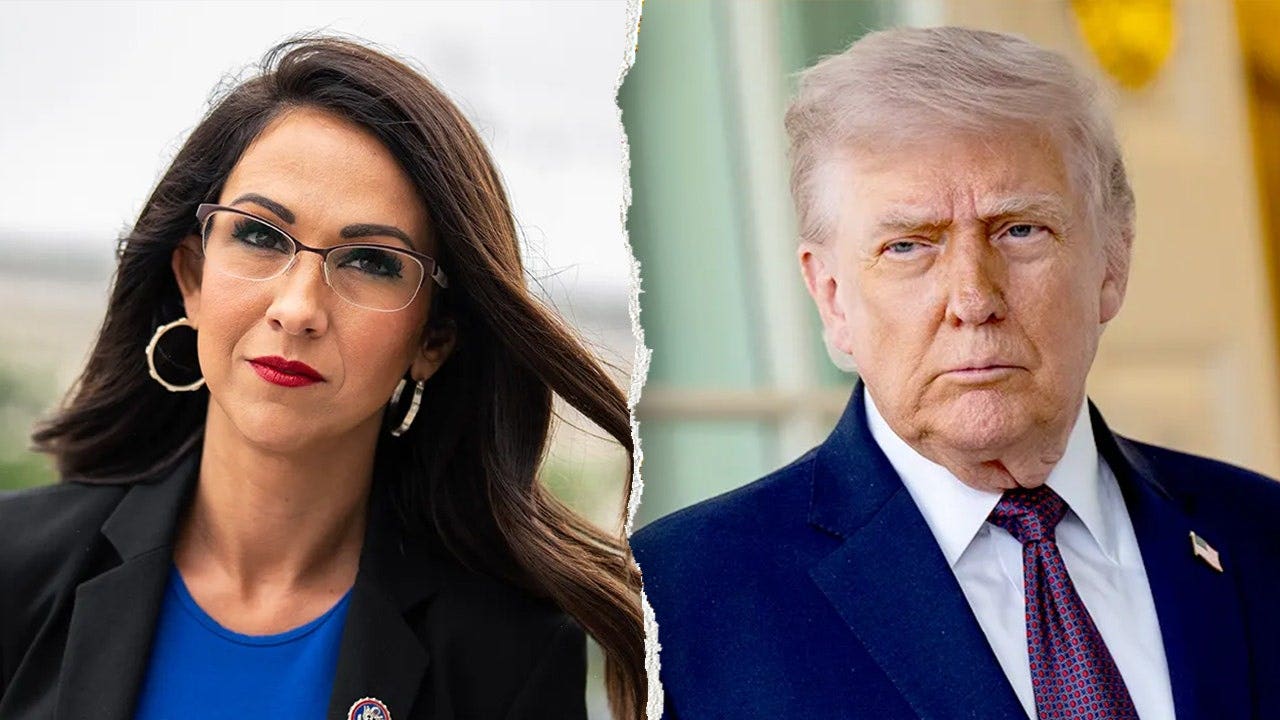
Cover image from foxnews.com, which was analyzed for this article
President Trump publicly criticized Reps. Thomas Massie and Lauren Boebert over loyalty issues. The exchanges highlight ongoing tensions between Trump and some House Republicans.
PoliticalOS
Sunday, May 17, 2026 — Politics
Trump’s influence over Republican primaries remains potent yet bounded by filing deadlines and voter turnout patterns. The episode shows that some lawmakers continue to prioritize independent records even when it risks the president’s endorsement. Outcomes in Kentucky and Colorado will test how far personal loyalty tests can reshape the party’s internal balance.
What outlets missed
Most coverage omitted that the Epstein Files Transparency Act ultimately received Trump’s signature in November 2025, framing the issue solely as ongoing opposition. The $25 million outside spending figure cited by one outlet could not be independently verified through campaign finance disclosures or ad-buy reports. Few accounts examined how the closed filing deadlines in both Colorado and Kentucky constrain the practical reach of Trump’s endorsement threats. Details on Massie’s specific votes against spending packages and surveillance measures between 2020 and 2025 received little attention beyond general references to independence.
Trump Turns Fire on Boebert for Standing With Massie Against His Demands
President Donald Trump unleashed a fresh round of attacks on Republican Representative Lauren Boebert after the Colorado congresswoman publicly backed Kentucky Representative Thomas Massie in his primary fight. The outburst underscores the president’s deepening frustration with any sign of independence inside his own party, even from longtime allies who have rarely strayed from the MAGA line.
Trump posted on Truth Social that he was seeking challengers to run against “Weak Minded Lauren Boebert” in Colorado’s Fourth Congressional District. He labeled her a “Carpetbagger” for campaigning on behalf of Massie, whom the president has repeatedly denounced as the “Worst Republican Congressman in the History of our Country.” The timing was deliberate. Boebert had appeared with Massie ahead of Kentucky’s May 19 primary and posted a photo of the two of them, declaring that he “loves America and is fighting to save it.” Within hours Trump threatened to withdraw his earlier endorsement of Boebert if a suitable alternative candidate emerged.
Boebert, who has aligned herself closely with Trump on most issues, refused to back down. She wrote that she had anticipated the risks of supporting her friend and remained committed to an “America First” agenda. Her response avoided direct criticism of the president while signaling she would not be intimidated into silence. The episode marks a rare public break between Trump and one of his most visible House defenders.
Massie has positioned his reelection bid as a test of whether Republican voters will tolerate dissent from the White House. He has opposed Trump on the administration’s handling of investigations into Jeffrey Epstein and on aspects of U.S. policy toward Iran. Those positions have drawn sustained fire from Trump, who has endorsed Navy SEAL veteran Ed Gallrein to replace him. Outside groups supporting Gallrein have spent more than twenty-five million dollars on advertising aimed at portraying Massie as disloyal. Massie has countered that his record reflects consistent skepticism of federal spending and foreign entanglements rather than personal animosity toward the president.
Trump has used Massie’s primary as a warning to other Republicans. After Louisiana Senator Bill Cassidy failed to advance in his own primary, Trump posted that similar fates awaited lawmakers who cross him. The message was clear: alignment with the president’s priorities is now treated as a condition for survival in Republican primaries.
The confrontation with Boebert illustrates how far that expectation has reached. Even members who built their brands around enthusiastic support for Trump face pressure to police their associations. Massie’s willingness to campaign with Boebert, and her decision to accept the invitation, suggests that some lawmakers are calculating they can survive without total submission. Whether that calculation holds will depend on turnout among the younger Republican voters Massie claims have gravitated to his independent brand.
For Trump, the stakes are personal. He has made clear that he views Massie’s continued presence in Congress as an ongoing rebuke. The attacks on Boebert serve as notice that defending such figures carries consequences. Yet the episode also reveals the limits of that approach. Boebert’s refusal to apologize keeps the rift visible and gives other Republicans a public example of someone absorbing the president’s anger without retreating.
The coming days will show whether Trump’s pressure produces the desired result in Kentucky or whether Massie’s bet on an anti-establishment identity can withstand the full weight of the White House and its allied groups. In either case, the clash has already exposed fractures inside a party that Trump has sought to reshape entirely around personal loyalty.
You just read Progressive's take. Want to read what actually happened?
More in Politics

Trump Defends Ramaswamy Ad Using Estranged Mother in Ohio Race
President Trump defended a GOP nominee's ad featuring a Democratic opponent's estranged mother, calling it powerful, while drawing criticism from some Republicans including Ohio Gov. Mike DeWine. The ad has sparked internal GOP tensions ahead of midterms.
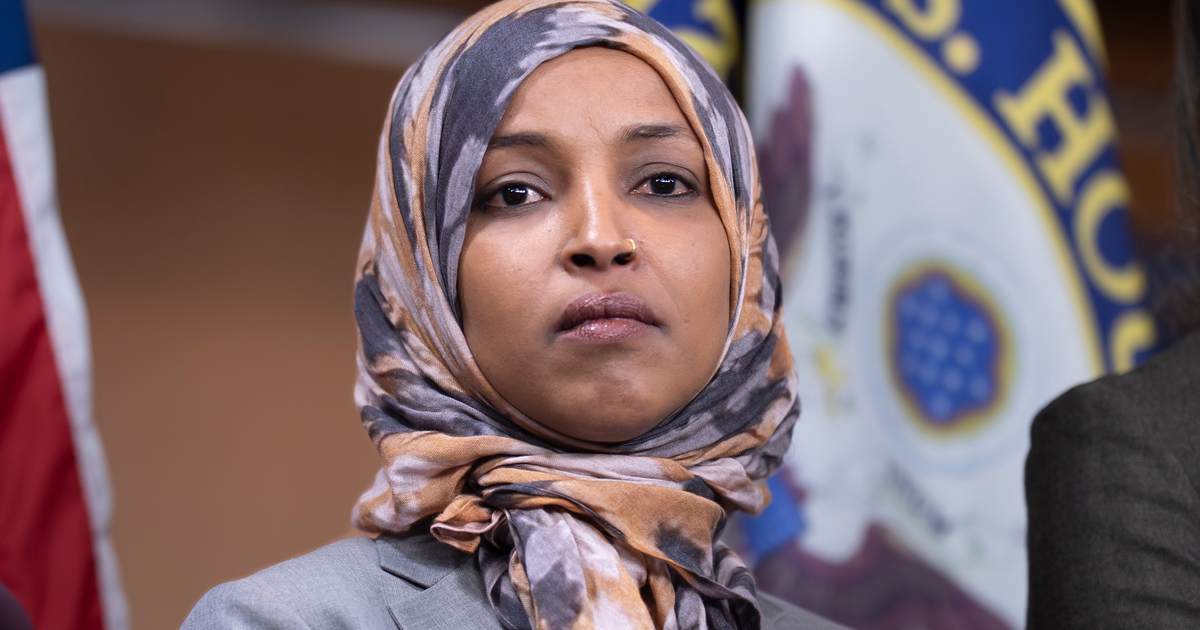
Federal Raid Targets Omar Amid Unresolved Name and Marriage Allegations
Agents searched Rep. Ilhan Omar's DC residence over immigration fraud allegations; she called it bizarre. Reports and commentary questioned her birth name and past marriage details.

Supreme Court Upholds New Hampshire Student ID Voting Ban
The Supreme Court upheld New Hampshire's ban on student IDs as valid voter identification just before midterms, affecting a tight Senate race.
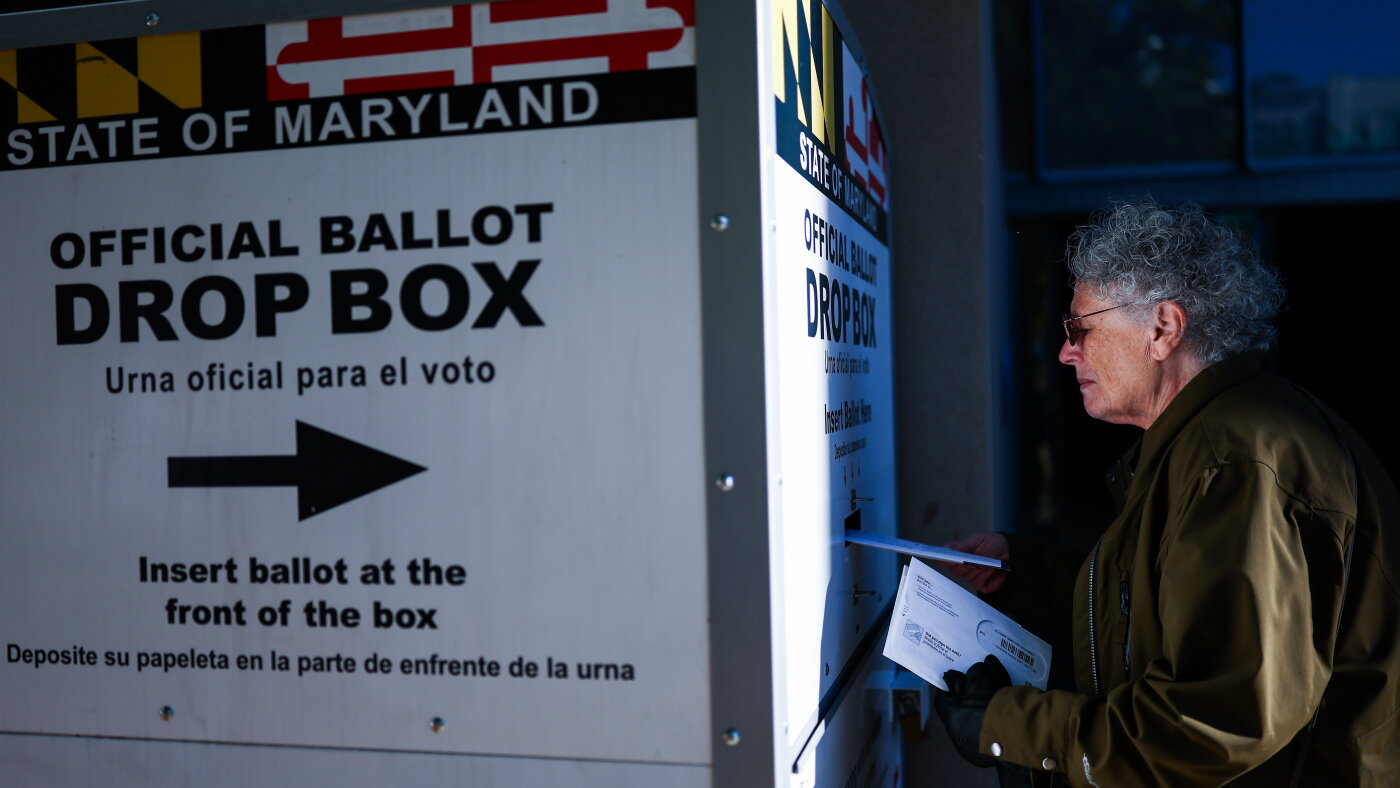
Early Voting Hits 21 Million as Most Trust Midterm Accuracy
Millions have already voted early as parties make final appeals amid $1.4 billion in ad spending; polls show confidence in election accuracy.
The Compass
You just read five takes on one story.
What's your take? Find your political shape in a few minutes.
Take the test