
Trump DOJ Probes Journalists in Leak and Classified Cases
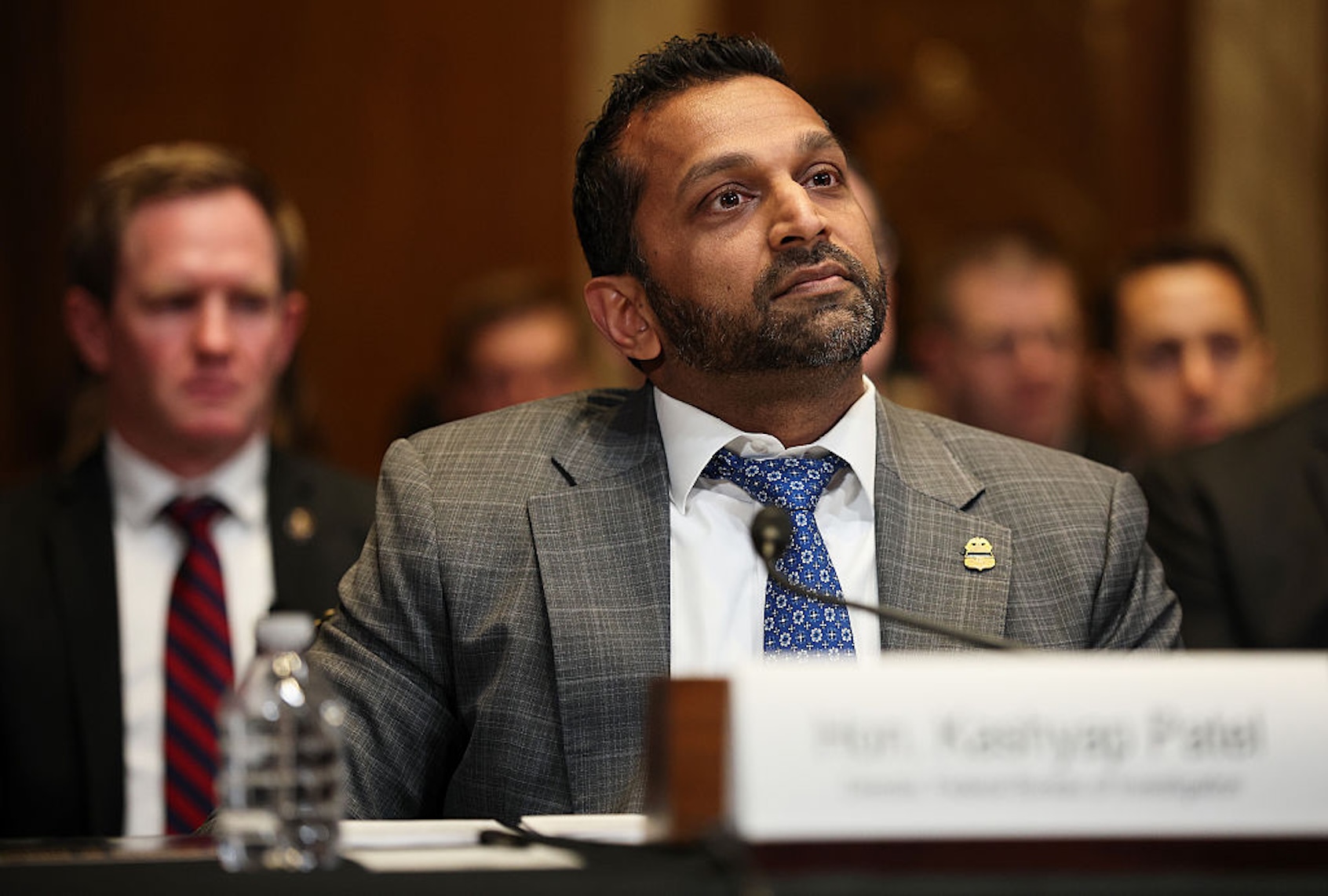
Cover image from salon.com, which was analyzed for this article
Officials linked to Trump have signaled aggressive actions against journalists and critics. Early moves focus on women in media and perceived opponents.
PoliticalOS
Saturday, May 16, 2026 — Politics
The administration is using subpoenas and searches to identify sources in stories about Iran planning and internal operations. Whether these steps cross into retaliation or stay within established leak-investigation bounds remains the central unresolved question for press freedom and accountability.
What outlets missed
Neither outlet examined whether any of the targeted reporting actually revealed operational details that could aid adversaries or merely restated publicly discussed risks. The legal outcomes of the subpoenas and the classified-materials probe remain unreported across both pieces. Patel’s international travel controversies and internal FBI morale claims appear in one account but receive no cross-check against official travel records or agent retention data.
FBI Director Patel Holds Media Accountable for Leaks and Falsehoods
FBI Director Kash Patel has moved ahead with investigations into journalists whose reporting touched on sensitive government matters. During a Senate Appropriations subcommittee hearing this week Patel told lawmakers the bureau was not targeting journalists as a class. He repeated that no such campaign existed under his watch.
Records and actions tell a different story. The Wall Street Journal received grand jury subpoenas dated March 4 seeking records tied to a February 23 story. That article described internal Pentagon doubts about a planned U.S. and Israeli strike on Iran. Reporters Alexander Ward, Lara Seligman and Shelby Holliday cited current and former officials who warned that a days-long aerial campaign risked failure and could prompt Iran to close the Strait of Hormuz or attack American ships. The reporting came days before the actual operation began.
Such disclosures about operational planning and internal debates among military leaders carry obvious risks. They alert adversaries to divisions inside the chain of command and can shape enemy responses before strikes occur. The subpoenas seek to identify the sources who provided that information to the paper. Similar leak inquiries have occurred under previous administrations when classified details about military or intelligence operations reached the press.
Separately the bureau executed a dawn raid on Washington Post reporter Hannah Natanson. Agents seized phones, laptops and other devices. The stated focus was her coverage of federal workforce reductions. Critics have portrayed the episode as an attack on routine news gathering. Yet the timing aligns with broader efforts to trace how internal personnel data and policy details reached outside outlets while decisions were still in motion.
Patel had signaled this approach before taking the job. On Steve Bannon’s podcast he said the bureau would pursue not only government insiders but also media figures who spread falsehoods about American citizens. The comment drew immediate condemnation from press advocates. Once in office Patel has faced repeated questions about whether those words would translate into action. The subpoenas and the raid show at least some follow-through.
Defenders of the journalists argue that aggressive leak probes chill legitimate oversight. They point out that the Wall Street Journal story did not publish operational orders or troop movements. They also note that coverage of workforce cuts involves public policy rather than battlefield secrets. Those distinctions matter in court. Prosecutors will have to show that the information crossed into protected categories and that the reporters knew or should have known the material was improperly disclosed.
The larger pattern fits a long-running tension between administrations and news organizations. Every recent president has complained about leaks. The difference here is that the current FBI leadership arrived with an explicit pledge to treat certain media conduct as part of the problem rather than above scrutiny. Whether the current cases produce charges or simply serve as warnings will determine how far the effort goes. For now the record shows subpoenas issued and devices seized in connection with stories that revealed internal government friction on high-stakes national security questions.
You just read America First's take. Want to read what actually happened?
More in Politics

Trump Defends Ramaswamy Ad Using Estranged Mother in Ohio Race
President Trump defended a GOP nominee's ad featuring a Democratic opponent's estranged mother, calling it powerful, while drawing criticism from some Republicans including Ohio Gov. Mike DeWine. The ad has sparked internal GOP tensions ahead of midterms.
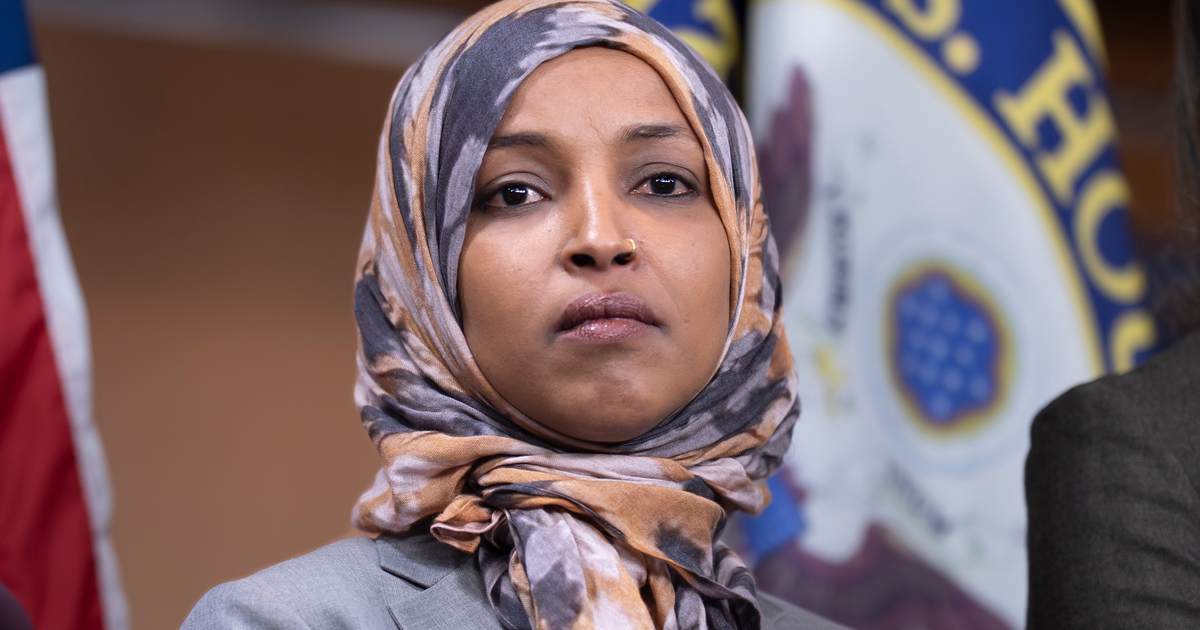
Federal Raid Targets Omar Amid Unresolved Name and Marriage Allegations
Agents searched Rep. Ilhan Omar's DC residence over immigration fraud allegations; she called it bizarre. Reports and commentary questioned her birth name and past marriage details.

Supreme Court Upholds New Hampshire Student ID Voting Ban
The Supreme Court upheld New Hampshire's ban on student IDs as valid voter identification just before midterms, affecting a tight Senate race.
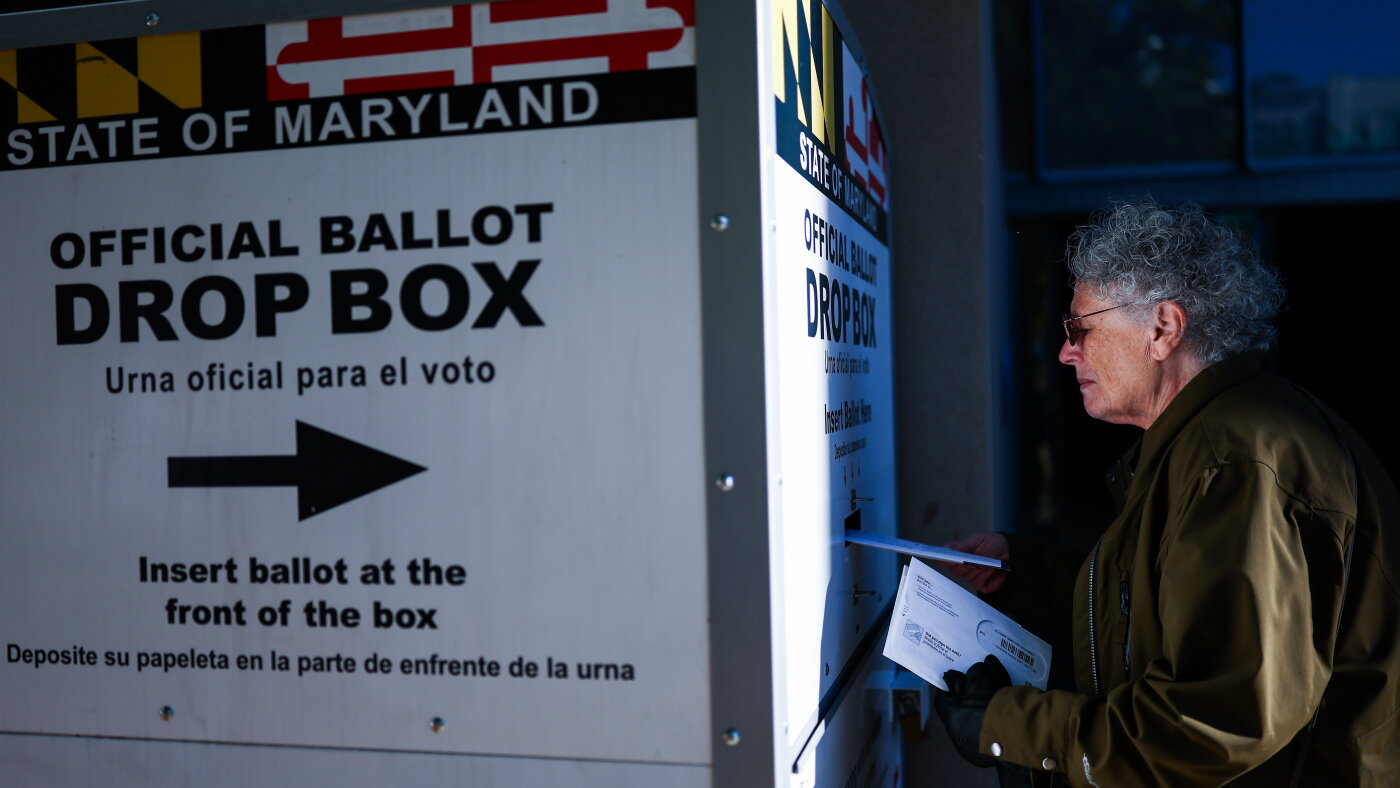
Early Voting Hits 21 Million as Most Trust Midterm Accuracy
Millions have already voted early as parties make final appeals amid $1.4 billion in ad spending; polls show confidence in election accuracy.
The Compass
You just read five takes on one story.
What's your take? Find your political shape in a few minutes.
Take the test