
Trump DOJ Probes Journalists in Leak and Classified Cases
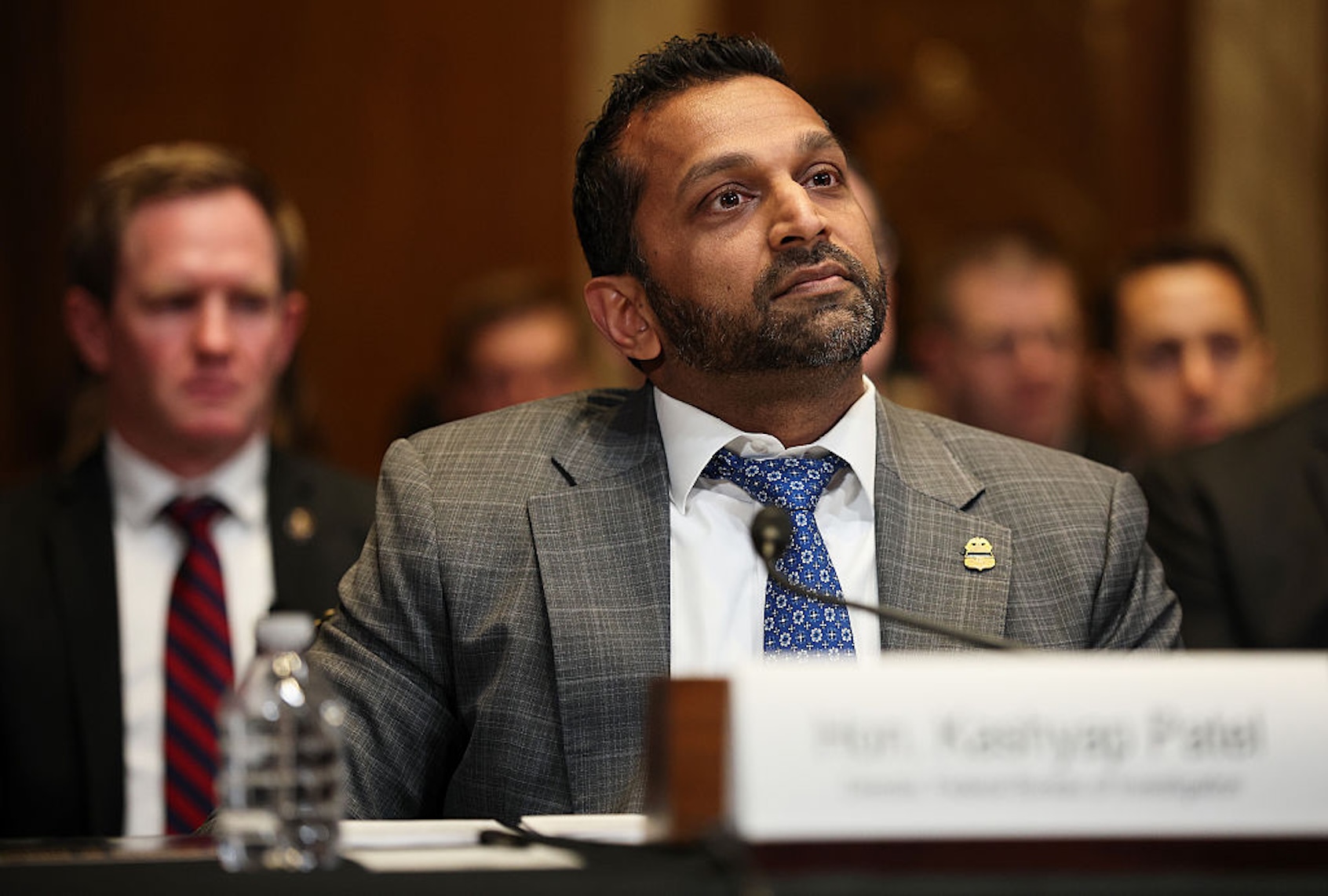
Cover image from salon.com, which was analyzed for this article
Officials linked to Trump have signaled aggressive actions against journalists and critics. Early moves focus on women in media and perceived opponents.
PoliticalOS
Saturday, May 16, 2026 — Politics
The administration is using subpoenas and searches to identify sources in stories about Iran planning and internal operations. Whether these steps cross into retaliation or stay within established leak-investigation bounds remains the central unresolved question for press freedom and accountability.
What outlets missed
Neither outlet examined whether any of the targeted reporting actually revealed operational details that could aid adversaries or merely restated publicly discussed risks. The legal outcomes of the subpoenas and the classified-materials probe remain unreported across both pieces. Patel’s international travel controversies and internal FBI morale claims appear in one account but receive no cross-check against official travel records or agent retention data.
FBI Director Kash Patel Faces Questions Over Probes of Journalists
Kash Patel's confirmation as FBI director came with explicit warnings that he intended to pursue journalists he viewed as having spread falsehoods about the Trump administration. In a pre-confirmation appearance on Steve Bannon's podcast, Patel pledged to identify "conspirators" in the media and hold them accountable. Those comments now sit alongside a series of concrete enforcement actions against reporters covering administration policy and national security matters.
In recent months, federal agents have executed at least one early-morning raid on a journalist's home and issued grand jury subpoenas to others. Hannah Natanson of the Washington Post had her residence searched and electronic devices seized in connection with reporting on federal workforce reductions. Two additional female journalists have also been drawn into investigations, according to people familiar with the matters. The Wall Street Journal separately disclosed this week that it received subpoenas dated March 4 seeking records tied to a February article about internal Pentagon concerns over potential U.S. military action against Iran. That piece, by reporters Alexander Ward, Lara Seligman and Shelby Holliday, cited current and former officials describing reservations expressed by Gen. Dan Caine, chairman of the Joint Chiefs, about risks including Iranian threats to close the Strait of Hormuz or target U.S. vessels.
Patel has rejected any suggestion of systematic targeting. Testifying before a Senate Appropriations subcommittee, he told Sen. Patty Murray that "this FBI is targeting and investigating no journalists." The statement came amid broader questions about the bureau's priorities under his leadership. Critics point to the gap between those assurances and the pattern of actions already underway, including the use of search warrants and subpoenas that compel disclosure of sources or notes.
The WSJ reporting at the center of the current subpoenas described internal discussions about a possible days-long aerial campaign aimed at regime change in Iran. Administration officials have framed such leak investigations as necessary to protect sensitive operational planning, especially in the period immediately before strikes began. Legal experts note that the Justice Department has historically pursued media subpoenas in leak cases only after exhausting other avenues and with high-level approvals. Whether those thresholds were met here remains unclear, as the department has not released details of its internal review process.
The contrast with Patel's earlier rhetoric is difficult to ignore. His public vow to go after media figures who "lied about American citizens" was delivered without qualification, yet current enforcement appears concentrated on specific stories involving women reporters whose work has examined administration decisions on personnel and defense policy. Supporters argue the focus reflects legitimate national security concerns rather than viewpoint discrimination. Detractors see an effort to chill coverage by raising the personal costs of reporting on internal dissent.
Congressional oversight is likely to continue. Lawmakers on both sides have signaled interest in the scope of the investigations and the standards applied when seeking journalists' records. The episode also revives long-standing debates over how aggressively the executive branch should police unauthorized disclosures when those disclosures involve policy disagreements at the highest levels of the military and intelligence community. For news organizations, the immediate effect is heightened legal exposure and the prospect of further demands for source material as the administration pursues its foreign policy and domestic agenda.
You just read Liberal's take. Want to read what actually happened?
More in Politics
Trump at 32% Approval as Gas Prices Test GOP Midterm Hopes
NYT/Siena polling showed Trump's approval at historic lows around 32 percent with Democrats leading by double digits in key districts. Early voting has surged in battleground states.

Record Early Voting Hits Battlegrounds, Shifting Partisan Shares
AP analysis found hundreds of thousands more early ballots than in 2022 in states including Texas, Ohio, Kansas, Maine, and North Carolina, shifting partisan dynamics.
Trump Backs Marshall in Kansas Senate Race Tightened by Farm Costs
President Trump rallied in deep-red Kansas for GOP Sen. Roger Marshall in a competitive race, announcing an $8 billion farm fuel relief program amid high diesel prices. Democrats see an opening to end 94 years of GOP dominance in the state.

Trump Pauses Russia Sanctions Amid Ukraine Tensions and Missile Strikes
Trump waived sanctions on Russia and floated trilateral talks with Putin and Xi as part of ending the Ukraine war, while tensions rose with Zelenskyy over Starlink and arms. Bipartisan senators engaged Zelenskyy amid the shifts.
The Compass
You just read five takes on one story.
What's your take? Find your political shape in a few minutes.
Take the test