
Trump DOJ Probes Journalists in Leak and Classified Cases
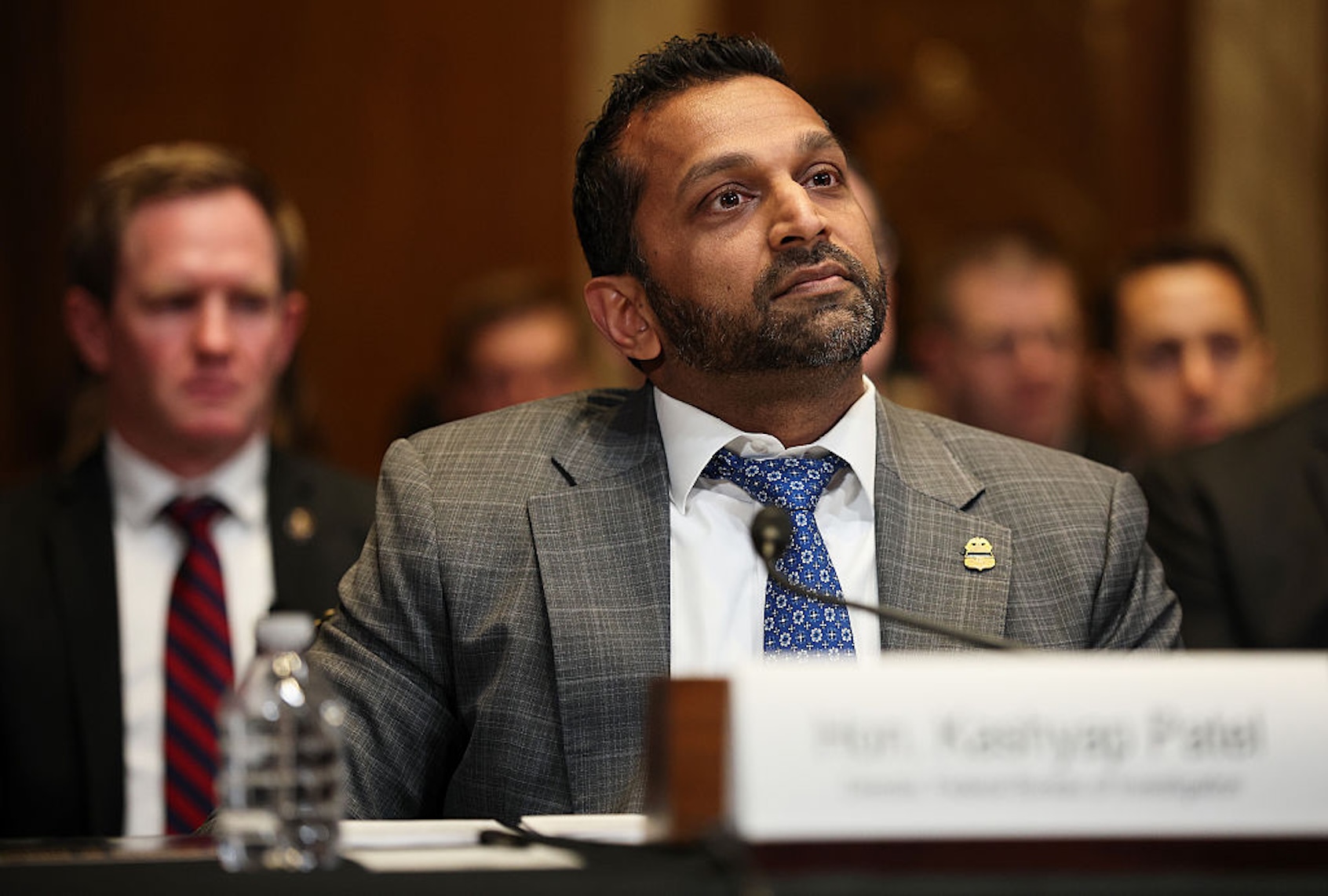
Cover image from salon.com, which was analyzed for this article
Officials linked to Trump have signaled aggressive actions against journalists and critics. Early moves focus on women in media and perceived opponents.
PoliticalOS
Saturday, May 16, 2026 — Politics
The administration is using subpoenas and searches to identify sources in stories about Iran planning and internal operations. Whether these steps cross into retaliation or stay within established leak-investigation bounds remains the central unresolved question for press freedom and accountability.
What outlets missed
Neither outlet examined whether any of the targeted reporting actually revealed operational details that could aid adversaries or merely restated publicly discussed risks. The legal outcomes of the subpoenas and the classified-materials probe remain unreported across both pieces. Patel’s international travel controversies and internal FBI morale claims appear in one account but receive no cross-check against official travel records or agent retention data.
FBI Director Patel Denies Targeting Journalists Even as Raids and Subpoenas Mount
FBI Director Kash Patel told senators this week that his agency is not investigating any journalists, a claim that stands in sharp contrast to a series of aggressive federal actions against reporters who have covered the Trump administration. During an appearance before the Senate Appropriations subcommittee, Patel responded to questions from Sen. Patty Murray by stating unequivocally that the FBI is targeting no journalists. Yet records and reporting show that the Justice Department has issued grand jury subpoenas to Wall Street Journal reporters and that FBI agents have conducted at least one predawn raid on a Washington Post journalist's home.
The subpoenas, dated March 4, seek records from three WSJ reporters Alexander Ward, Lara Seligman and Shelby Holliday in connection with a February 23 article about internal Pentagon concerns over potential U.S. military action against Iran. The story described how Gen. Dan Caine, chairman of the Joint Chiefs of Staff, warned President Trump about serious risks tied to a proposed dayslong aerial campaign aimed at toppling the Iranian regime. Sources cited in the article included current and former officials who expressed worries that such operations could escalate into broader conflict, including threats to close the Strait of Hormuz or sink U.S. warships. The subpoenas are part of a leak investigation tied to that reporting, according to people familiar with the matter.
Separately, the FBI under Patel has already executed search warrants against journalists covering domestic policy. Washington Post reporter Hannah Natanson had her home raided before dawn by federal agents who seized her phone, laptops and smartwatch. The operation was linked to her coverage of federal workforce reductions. At least two other women journalists have faced similar scrutiny tied to stories about the bureau itself, according to people with knowledge of the investigations. These moves follow Patel's pre-confirmation pledge on Steve Bannon's podcast that the incoming administration would go after media figures who had "lied about American citizens," a statement that drew immediate criticism from press freedom groups.
Patel has framed the actions as standard leak investigations rather than retaliation. Administration officials have pointed to the sensitivity of national security reporting and the need to protect classified information during active planning against Iran. Yet the pattern has raised questions among legal experts and former Justice Department officials about whether the cases cross longstanding norms against compelling reporters to reveal sources. The subpoenas to the WSJ reporters do not name specific sources but seek communications and records that could identify them.
The raids and subpoenas arrive against a backdrop of broader tension between the administration and news organizations. Patel's public denials in the Senate hearing were delivered in response to direct questions about whether the FBI was pursuing journalists for their reporting. Murray pressed for assurances that no such campaign was underway. Patel's response avoided details about the WSJ subpoenas or the Natanson raid, sticking instead to a general assertion that the bureau was focused on other priorities.
Critics argue that the selective focus on women journalists covering both national security and domestic policy cuts fits a larger effort to chill reporting that the administration finds inconvenient. Supporters of the investigations counter that leaking classified or sensitive internal deliberations undermines executive branch authority and that the Justice Department has a duty to pursue those leaks regardless of the outlet involved. The WSJ article, for instance, revealed internal military reservations at a moment when the administration was weighing options that carried significant geopolitical consequences.
How these cases proceed will depend on court rulings and whether any reporters decide to challenge the subpoenas or warrants. Past administrations have issued subpoenas to journalists but usually after exhausting other avenues and with higher-level approvals. The current actions appear to be moving more quickly and with less visible internal restraint. As the legal process unfolds, the tension between leak enforcement and press protections is likely to intensify, with both sides preparing for prolonged court fights over what information the government can compel from newsrooms.
You just read Progressive's take. Want to read what actually happened?
More in Politics

Trump Defends Ramaswamy Ad Using Estranged Mother in Ohio Race
President Trump defended a GOP nominee's ad featuring a Democratic opponent's estranged mother, calling it powerful, while drawing criticism from some Republicans including Ohio Gov. Mike DeWine. The ad has sparked internal GOP tensions ahead of midterms.
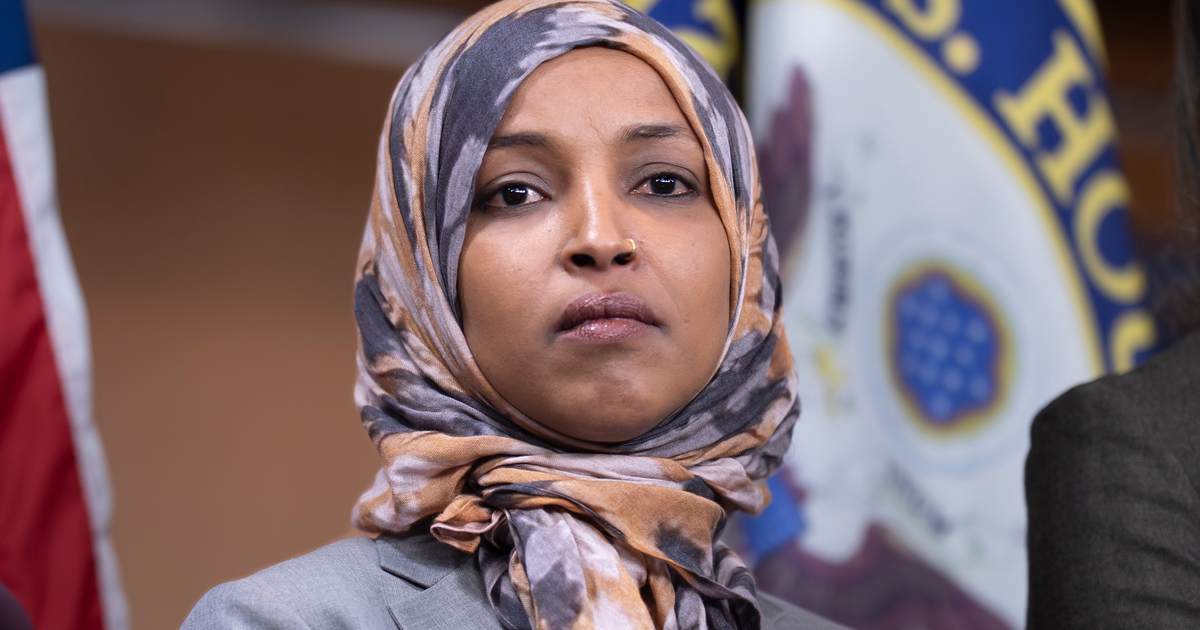
Federal Raid Targets Omar Amid Unresolved Name and Marriage Allegations
Agents searched Rep. Ilhan Omar's DC residence over immigration fraud allegations; she called it bizarre. Reports and commentary questioned her birth name and past marriage details.

Supreme Court Upholds New Hampshire Student ID Voting Ban
The Supreme Court upheld New Hampshire's ban on student IDs as valid voter identification just before midterms, affecting a tight Senate race.
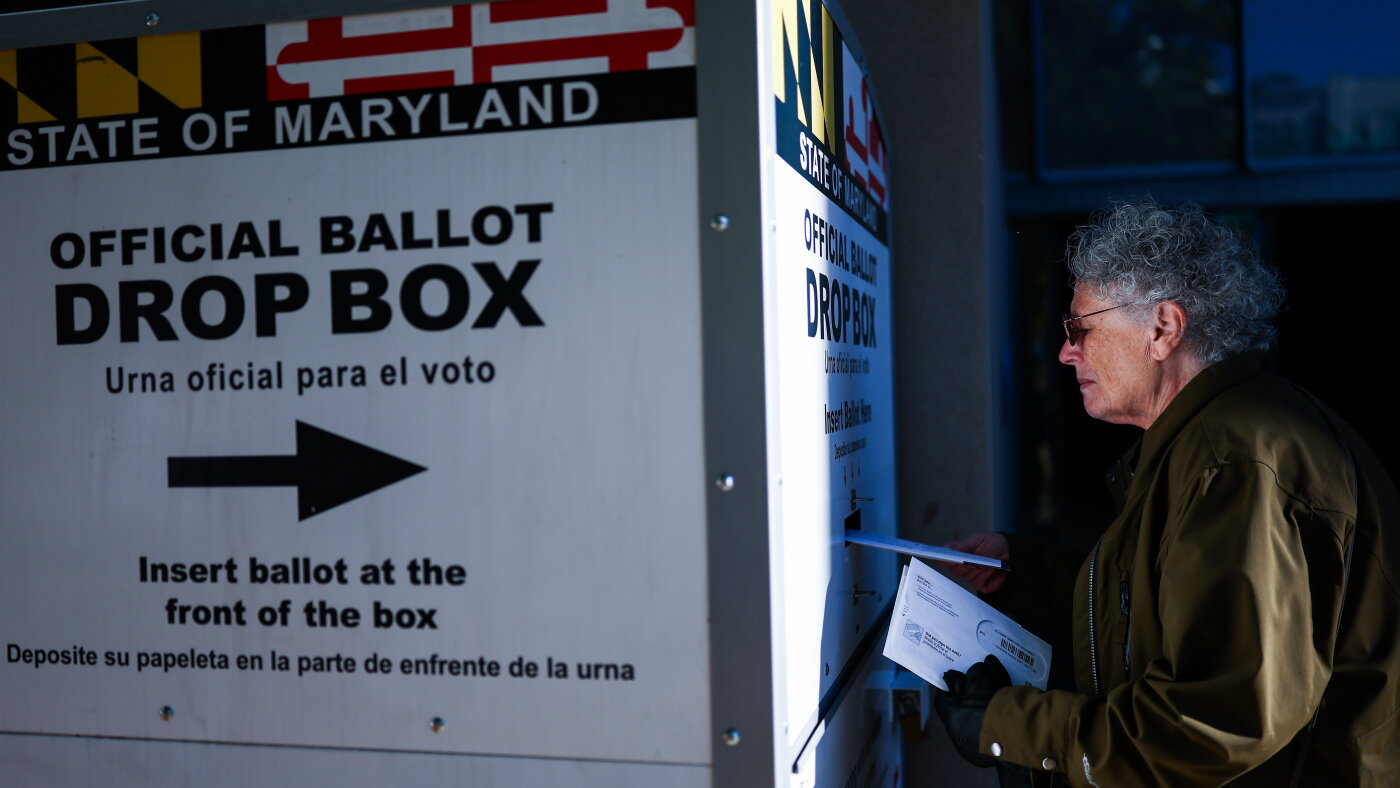
Early Voting Hits 21 Million as Most Trust Midterm Accuracy
Millions have already voted early as parties make final appeals amid $1.4 billion in ad spending; polls show confidence in election accuracy.
The Compass
You just read five takes on one story.
What's your take? Find your political shape in a few minutes.
Take the test