
Trump Scheduled for Walter Reed Checkup at Age 79
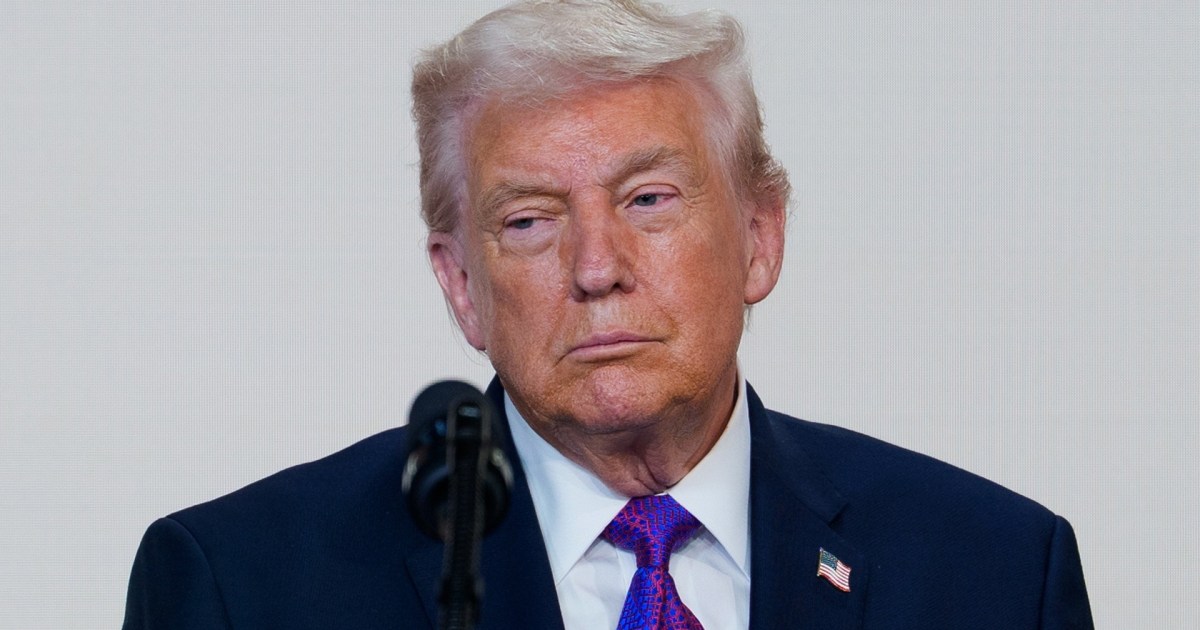
Cover image from today.com, which was analyzed for this article
The president is scheduled for a routine checkup roughly seven months after his last visit, drawing attention to his health amid ongoing political pressures.
PoliticalOS
Tuesday, May 26, 2026 — Politics
The scheduled exam follows established patterns for presidential health maintenance at advanced age. Public perceptions remain split according to multiple polls, yet no new clinical data has emerged to alter prior physician assessments of overall health. Readers should weigh documented visit purposes against unverified speculation about undisclosed conditions.
What outlets missed
CBS noted the May 2 Florida dental visit and the planned meetings with service members but did not place the visit count in the context of prior administrations. TODAY and The Independent highlighted visit frequency and poll numbers yet omitted the White House physician’s prior statements ruling out serious vascular complications. None of the three outlets supplied the exact language from the 2018 or 2020 medical summaries that established baseline disclosure practices for comparison.
Trump's Annual Medical Checkup Highlights Persistent Public Concerns Over His Capacity
President Trump is scheduled to visit Walter Reed National Military Medical Center on Tuesday for what the White House has described as routine annual medical and dental assessments. The trip marks his third documented medical-related visit in just over a year, following an April 2025 physical and an October follow-up that included a CT scan to monitor cardiovascular issues. At 79, Trump is the oldest person to assume the presidency, and he will turn 80 in June.
The White House has framed the appointments as standard preventative care, consistent with prior statements that the president remains in excellent health despite a diagnosis of chronic venous insufficiency, a condition affecting blood flow in the legs. Officials have noted that examinations have ruled out more serious complications such as deep vein thrombosis. Trump is also expected to meet with service members and staff during the visit.
Public attention has centered less on the physical details and more on questions of cognitive fitness. Recent polling indicates that a majority of Americans believe Trump has shown noticeable mental decline over the past year. His approval ratings have hovered in the mid-30s across most surveys. These perceptions have been fueled by extended public appearances in which the president frequently shifts between unrelated topics, a pattern he has referred to as "the weave."
The gap between official medical assurances and broader public skepticism reflects a recurring challenge in assessing presidential capacity. Past administrations have faced similar scrutiny, particularly as life expectancy and the demands of the office have both increased. Trump's schedule includes more frequent press interactions than his predecessor, which supporters argue demonstrates continued energy. Critics counter that the substance of those exchanges often underscores the very concerns reflected in the polling.
Institutional mechanisms for evaluating fitness remain limited. The 25th Amendment provides a pathway for addressing incapacity, but it has never been invoked for cognitive reasons and would require action by the vice president and cabinet. Annual physicals offer snapshots rather than ongoing assessments, and the White House controls the level of detail released to the public. This structure leaves voters and lawmakers to weigh visible performance against incomplete medical information.
Tuesday's visit is unlikely to resolve those tensions. The White House has not indicated whether a cognitive screening will be included, and past results have done little to shift opinion among those already concerned. For an administration operating at the intersection of advanced age and high-stakes governance, the exam underscores how questions of capacity can persist even when official channels report stability.
You just read Liberal's take. Want to read what actually happened?
More in Politics
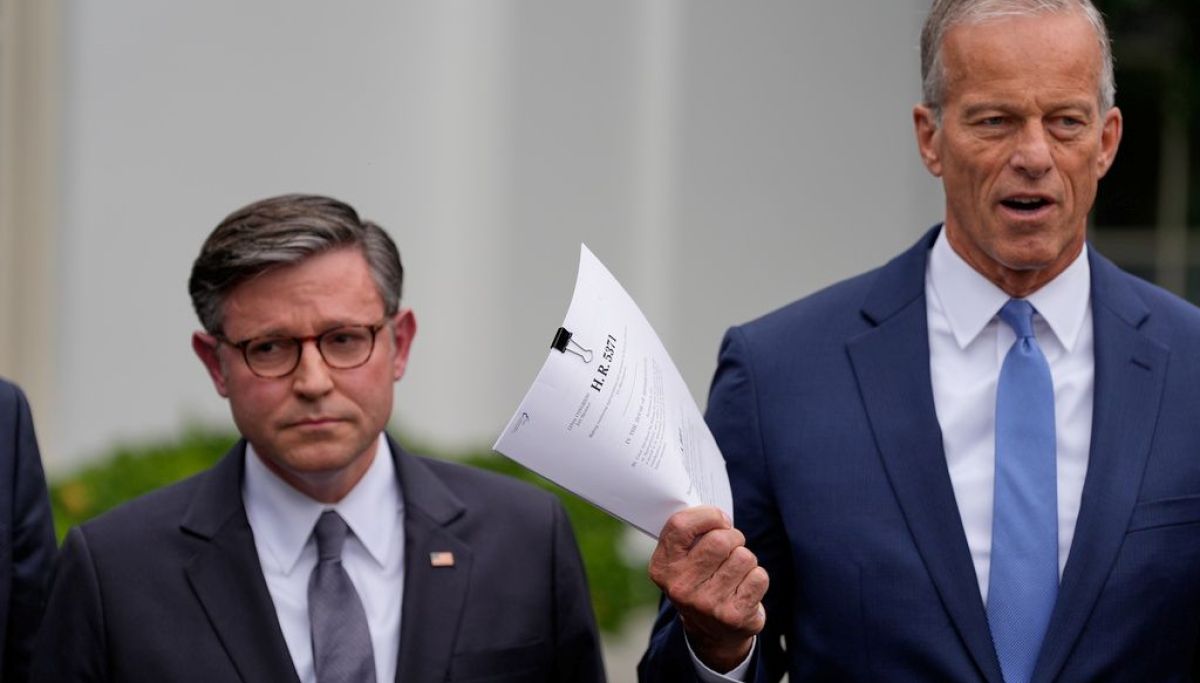
Trump at 32% Approval as Gas Prices Test GOP Midterm Hopes
NYT/Siena polling showed Trump's approval at historic lows around 32 percent with Democrats leading by double digits in key districts. Early voting has surged in battleground states.

Record Early Voting Hits Battlegrounds, Shifting Partisan Shares
AP analysis found hundreds of thousands more early ballots than in 2022 in states including Texas, Ohio, Kansas, Maine, and North Carolina, shifting partisan dynamics.
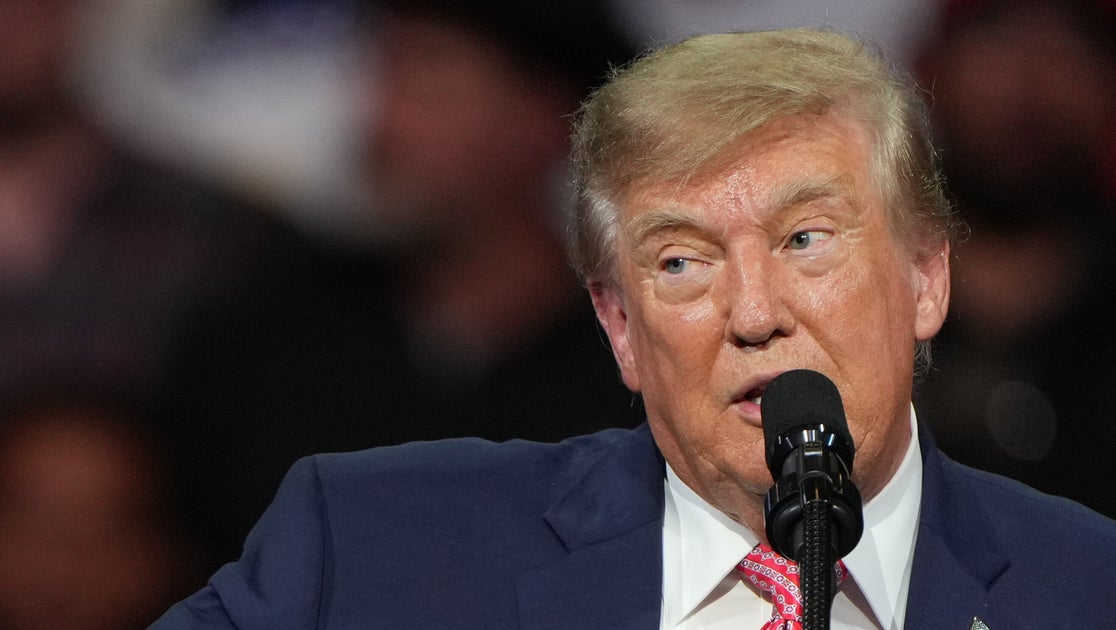
Trump Backs Marshall in Kansas Senate Race Tightened by Farm Costs
President Trump rallied in deep-red Kansas for GOP Sen. Roger Marshall in a competitive race, announcing an $8 billion farm fuel relief program amid high diesel prices. Democrats see an opening to end 94 years of GOP dominance in the state.

Trump Pauses Russia Sanctions Amid Ukraine Tensions and Missile Strikes
Trump waived sanctions on Russia and floated trilateral talks with Putin and Xi as part of ending the Ukraine war, while tensions rose with Zelenskyy over Starlink and arms. Bipartisan senators engaged Zelenskyy amid the shifts.
The Compass
You just read five takes on one story.
What's your take? Find your political shape in a few minutes.
Take the test