
Court Orders Trump's Name Stripped From Kennedy Center Facade
Cover image from cbsnews.com, which was analyzed for this article
Workers began stripping President Trump's name from the Kennedy Center following court rulings against him. The move drew partisan reactions as part of ongoing cultural and political battles.
PoliticalOS
Saturday, June 13, 2026 — Politics
A district judge held that Congress alone controls the Kennedy Center's name and ordered removal of Trump's addition by a Friday deadline that slipped only because of weather. The administration's emergency appeals failed, but broader questions about the center's future governance and renovations remain unresolved in ongoing litigation.
What outlets missed
Most accounts omitted the precise statutory language Cooper cited from the 1964 act establishing the center as a memorial and the 94-page opinion's full reasoning on congressional exclusivity. Few detailed the administration's new argument in the emergency appeal that donor agreements explicitly conditioned gifts on retention of Trump's name. Coverage also underplayed the separate injunction blocking the two-year closure, which affects scheduled programming and construction timelines regardless of the name outcome. The internal June 5 memo directing staff to revert all documents was referenced but not quoted at length by most outlets.
Court Orders Removal of Trump Name From Kennedy Center
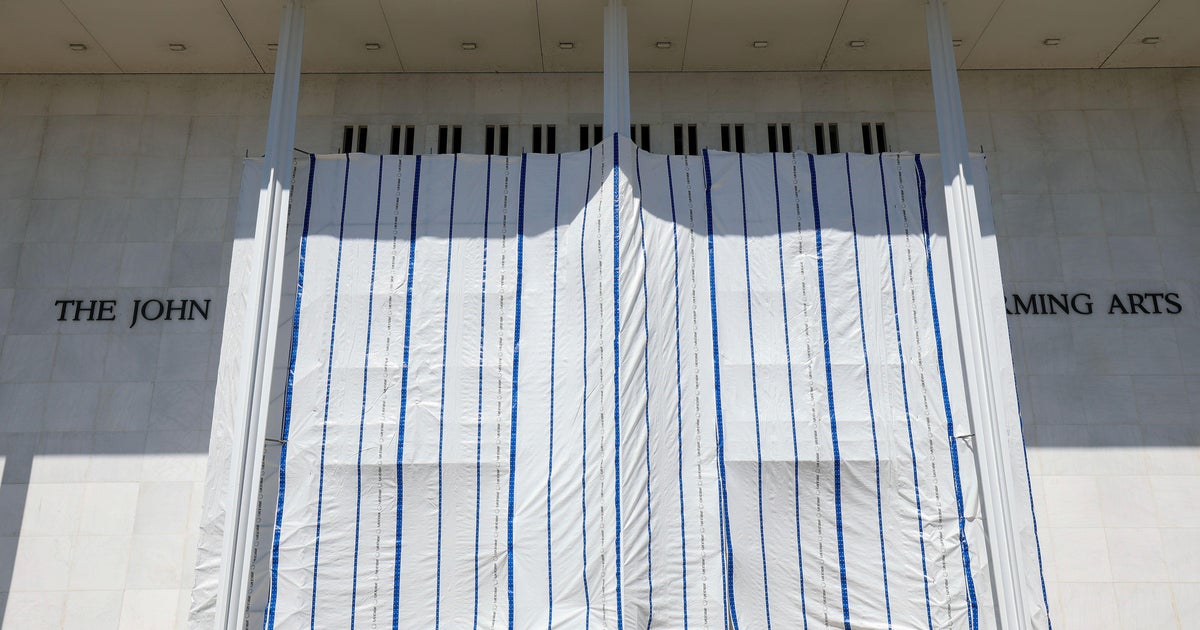
Workers removed letters spelling Donald Trump's name from the Kennedy Center facade early Saturday morning after federal courts rejected last-minute efforts to keep them in place. The action followed a ruling by U.S. District Judge Christopher Cooper that only Congress holds authority to alter the venue's official designation as a memorial to President John F. Kennedy.
The center's board, appointed during the Trump administration, had voted last December to add Trump's name, creating the temporary title "Donald J. Trump and John F. Kennedy Memorial Center for the Performing Arts." Cooper's May opinion stated that Congress established the name in statute and left no room for unilateral changes by trustees or the executive branch. The judge blocked further alterations and set a deadline of June 12 for restoring the original wording on the building.
Thunderstorms delayed the work past midnight, prompting an extension request from the Kennedy Center. Crews erected scaffolding and hung tarps before beginning removal around 3 a.m. The operation concluded before dawn, though public view remained limited by coverings. Onlookers gathered outside and voiced frustration with chants, but the legal process had already run its course through multiple filings.
The administration appealed the district court decision and sought a stay, which an appeals panel declined. This sequence underscores the limits placed on administrative boards when statutes are explicit. Congressional language from 1964 designated the center as a living memorial to Kennedy, and subsequent interpretations have treated that designation as fixed absent new legislation.
The episode illustrates how attempts to attach individual names to public institutions can collide with statutory constraints. Courts have consistently required that changes to named federal properties follow the legislative path rather than board resolutions. In this instance, the ruling preserved the original congressional framework without addressing broader questions of presidential legacy or cultural institutions.
No other operational changes at the Kennedy Center were affected by the order. The center continues to schedule performances under its established governance structure. The legal filings made clear that the dispute centered on compliance with existing law rather than artistic or budgetary matters.
Observers noted the timing, with work occurring hours after the missed deadline, yet the outcome aligned with the judge's directive. The process avoided prolonged litigation over enforcement while demonstrating that statutory text governs such designations. Future efforts to modify the name would require action by Congress, consistent with the separation of powers outlined in the ruling.
This resolution reinforces that public memorials established by statute remain subject to the same legal standards applied to other federal properties. Attempts to bypass those standards through administrative votes have now been checked by judicial review.
You just read Conservative's take. Want to read what actually happened?
More in Politics

Judges Block Trump Mail Ballot Rule as Supreme Court Review Looms
Federal judges halted President Trump's executive order restricting mail balloting via USPS. The Supreme Court is expected to review amid ongoing election legal battles.

Trump, Vance Push GOP Midterms With Seven Weeks Left
With seven weeks to Election Day, Trump and Vance are campaigning in key states. GOP faces challenges including voting rule disputes and internal tensions.

States Clash Over Voter Rolls, Mail Rules Ahead of Midterms
Officials train to counter interference while states debate mail voting and oversight. Both parties accuse each other of undermining trust ahead of November.

Hegseth Reforms Prompt Pentagon Doubts Over Trust and Readiness
Defense Secretary's efforts to refocus the military sparked internal pushback and accusations of creating mistrust. Coverage spans major outlets.
The Compass
You just read five takes on one story.
What's your take? Find your political shape in a few minutes.
Take the test