
Court Orders Trump's Name Stripped From Kennedy Center Facade
Cover image from cbsnews.com, which was analyzed for this article
Workers began stripping President Trump's name from the Kennedy Center following court rulings against him. The move drew partisan reactions as part of ongoing cultural and political battles.
PoliticalOS
Saturday, June 13, 2026 — Politics
A district judge held that Congress alone controls the Kennedy Center's name and ordered removal of Trump's addition by a Friday deadline that slipped only because of weather. The administration's emergency appeals failed, but broader questions about the center's future governance and renovations remain unresolved in ongoing litigation.
What outlets missed
Most accounts omitted the precise statutory language Cooper cited from the 1964 act establishing the center as a memorial and the 94-page opinion's full reasoning on congressional exclusivity. Few detailed the administration's new argument in the emergency appeal that donor agreements explicitly conditioned gifts on retention of Trump's name. Coverage also underplayed the separate injunction blocking the two-year closure, which affects scheduled programming and construction timelines regardless of the name outcome. The internal June 5 memo directing staff to revert all documents was referenced but not quoted at length by most outlets.
Workers Remove Trump Name From Kennedy Center After Court Defeat
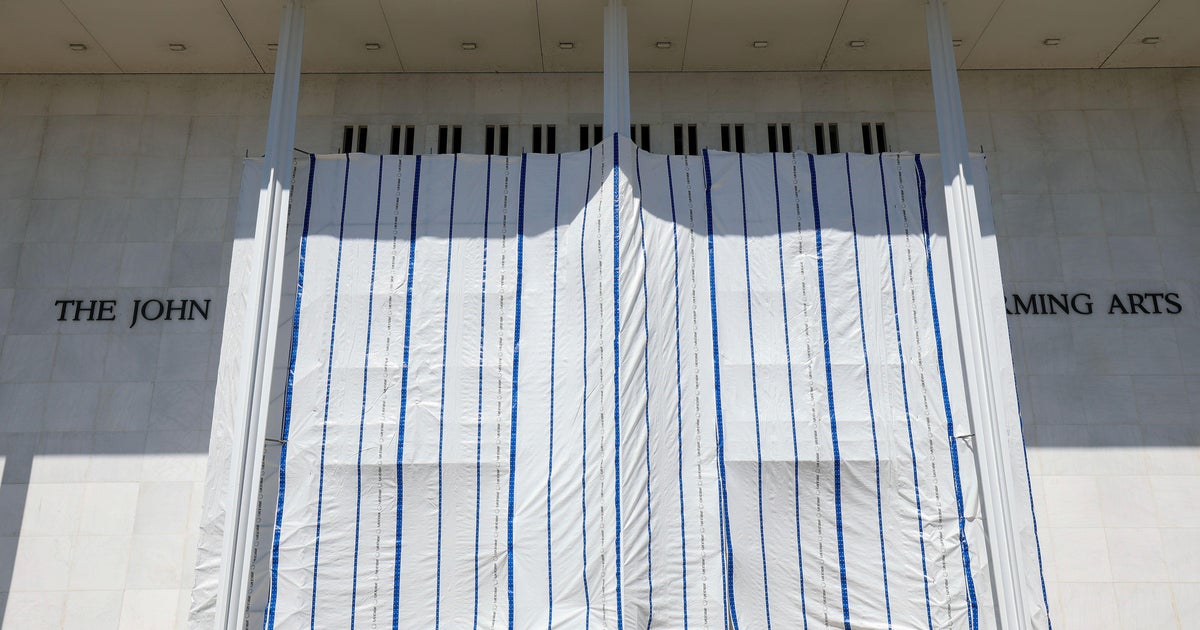
Workers began prying Donald Trump’s name from the Kennedy Center facade in the early hours of Saturday, carrying out a federal judge’s order after the Trump administration lost repeated legal challenges to keep the lettering in place. Construction crews erected scaffolding on Friday, draped the structure in tarps to shield their progress from public view, and started the removal shortly after 3 a.m., hours past the court-imposed midnight deadline.
The action followed a ruling last month by U.S. District Judge Christopher Cooper, who found that Congress had designated the venue as a memorial to President John F. Kennedy and made clear that no other name could be added without legislative approval. Cooper’s 94-page opinion rejected the administration’s claim that the Kennedy Center board, stocked with Trump appointees, possessed unilateral authority to insert the president’s name. The judge also blocked plans to shut the center for two years of renovations.
The administration sought emergency relief to pause the removal order, but both Cooper and an appeals panel declined. Thunderstorms delayed the work on Friday, prompting a last-minute request for an extension that the court effectively denied. By early Saturday, crews in hard hats and high-visibility vests were seen removing the added letters from the marble exterior while onlookers gathered on the plaza and chanted for the name to come down.
The episode stems from a December vote by the Trump-controlled board to rename the center “The Donald J. Trump and John F. Kennedy Memorial Center for the Performing Arts.” Representative Joyce Beatty, an ex-officio board member, sued to reverse the change, arguing it violated the original statute. Cooper sided with Beatty, writing that Congress alone holds the power to alter the memorial’s designation.
Public reaction outside the building mixed celebration with frustration over the delay. Dozens of spectators watched the scaffolding rise and later cheered as the tarp-covered operation began. The center’s operators had assured the court that the removal would be completed by early morning once weather permitted. By 3:30 a.m. the crews had packed up, though tarps remained in place and it was unclear whether every letter had been taken down.
The legal fight continues on appeal, yet the immediate effect restores the building’s original designation as the John F. Kennedy Center for the Performing Arts. The episode underscores the limits courts have placed on executive-branch efforts to alter congressionally established memorials through administrative action alone.
You just read Progressive's take. Want to read what actually happened?
More in Politics

Judges Block Trump Mail Ballot Rule as Supreme Court Review Looms
Federal judges halted President Trump's executive order restricting mail balloting via USPS. The Supreme Court is expected to review amid ongoing election legal battles.

Trump, Vance Push GOP Midterms With Seven Weeks Left
With seven weeks to Election Day, Trump and Vance are campaigning in key states. GOP faces challenges including voting rule disputes and internal tensions.

States Clash Over Voter Rolls, Mail Rules Ahead of Midterms
Officials train to counter interference while states debate mail voting and oversight. Both parties accuse each other of undermining trust ahead of November.

Hegseth Reforms Prompt Pentagon Doubts Over Trust and Readiness
Defense Secretary's efforts to refocus the military sparked internal pushback and accusations of creating mistrust. Coverage spans major outlets.
The Compass
You just read five takes on one story.
What's your take? Find your political shape in a few minutes.
Take the test