
Trump joins Rededicate 250 prayer event on National Mall
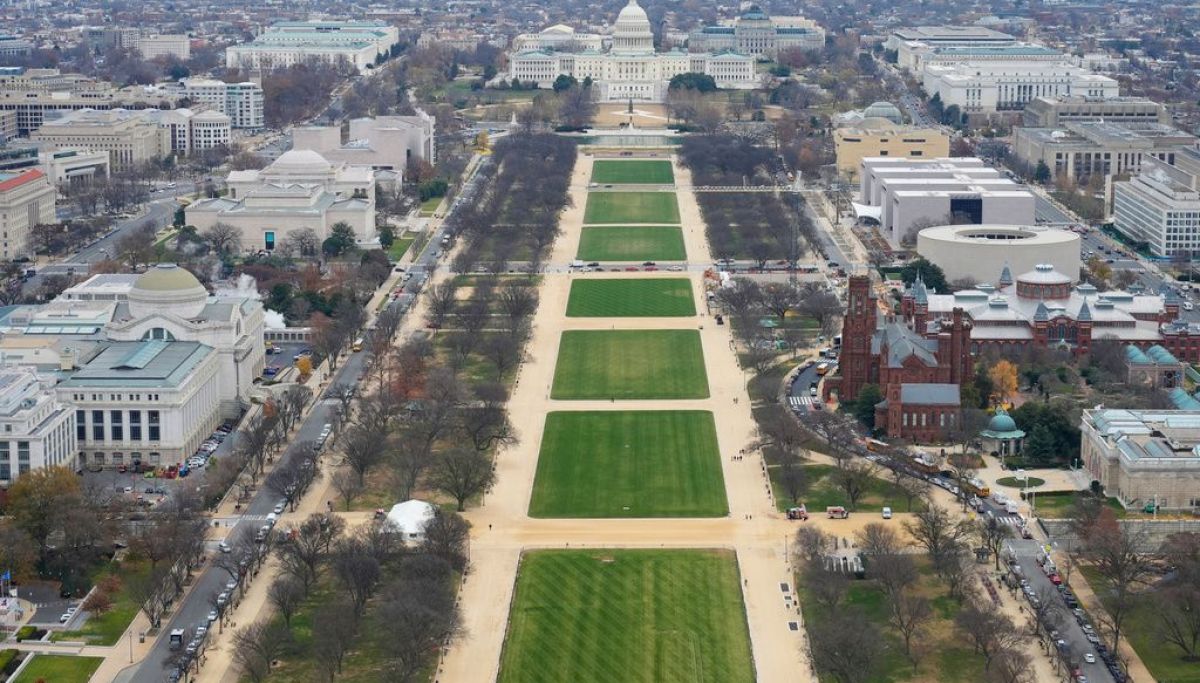
Cover image from washingtonexaminer.com, which was analyzed for this article
The White House participated in a 'Rededicate 250' event promoting America's Christian origins, drawing both support and criticism over Christian nationalism concerns.
PoliticalOS
Sunday, May 17, 2026 — Politics
The event placed top administration officials at the center of a large public prayer program explicitly tied to Christian heritage claims. Readers should weigh the documented speaker demographics and official participation against long-standing constitutional debates over religious establishment and free exercise. The core unresolved tension is whether such gatherings reinforce or narrow the nation’s pluralistic framework.
What outlets missed
Most coverage omitted the precise historical parallel organizers drew to the Continental Congress’s 1776 Day of Humiliation, Fasting and Prayer. Few noted the participation of non-evangelical figures such as Cardinal Timothy Dolan and Rabbi Meir Soloveichik alongside the dominant evangelical roster. Little attention was given to the event’s explicit three-pillar structure or its coordination with corporate and university choirs. Details on prior similar events under earlier presidents and the absence of non-Abrahamic faith leaders were mentioned only in passing or not at all.
Trump Administration Officials Lead Christian Prayer Rally on National Mall
Senior figures in the Trump administration took center stage Sunday at a sprawling prayer event on the National Mall billed as a rededication of the United States to its religious foundations. Defense Secretary Pete Hegseth, Secretary of State Marco Rubio and House Speaker Mike Johnson appeared among dozens of speakers at Rededicate 250, an all-day gathering organized to mark the approach of America’s 250th anniversary with worship, patriotic songs and calls for national renewal under God.
President Trump addressed the crowd by video, joining evangelist Franklin Graham, his daughter Cissie Graham Lynch and a roster of faith leaders for what organizers described as a national jubilee of prayer, praise and thanksgiving. The program highlighted three themes: the miracles that shaped the country’s history, ongoing signs of spiritual renewal, and a collective appeal for a new birth of faith and freedom. Attendance estimates reached tens of thousands, with the event streamed live on conservative outlets and promoted heavily among evangelical networks that form a core part of Trump’s political base.
The heavy presence of top administration officials set the gathering apart from routine faith-based observances. Nearly all of the twenty listed faith leaders were evangelical Protestants, though a rabbi and a retired Catholic archbishop were also included. Hegseth, who belongs to an ultra-conservative evangelical congregation, framed the day as an opportunity to rededicate the republic to God and country. Rubio and Johnson echoed similar themes of gratitude for divine providence in the nation’s founding.
Critics viewed the scale and official participation as an unusually direct blending of government authority with a particular religious vision. The Constitution prohibits the establishment of any official religion, yet the event’s messaging centered on the idea that America’s founding documents and institutions rest on an explicitly Christian understanding of God as creator and guarantor of rights. Bishop Robert Barron, scheduled to speak, argued beforehand that a clearer affirmation of the country’s Biblical and Christian character would actually strengthen religious freedom for all citizens, including minorities.
Organizers insisted the program welcomed Americans from every background and focused on shared values of liberty and human dignity. Still, the dominance of evangelical voices and the use of government platforms to promote the notion of a Christian nation drew concern from those who see such displays as exclusionary. Previous presidents have attended prayer events, but the combination of cabinet-level participation, live national coverage and explicit emphasis on reclaiming religious origins marked this occasion as distinctive during Trump’s second term.
The rally unfolded against a backdrop of ongoing debates over the proper role of religion in public life. Supporters presented it as a long-overdue acknowledgment of faith’s historic influence on American identity. Detractors warned that elevating one religious tradition through official channels risks undermining the pluralistic framework that protects believers and nonbelievers alike.
You just read Progressive's take. Want to read what actually happened?
More in Politics

Trump Defends Ramaswamy Ad Using Estranged Mother in Ohio Race
President Trump defended a GOP nominee's ad featuring a Democratic opponent's estranged mother, calling it powerful, while drawing criticism from some Republicans including Ohio Gov. Mike DeWine. The ad has sparked internal GOP tensions ahead of midterms.
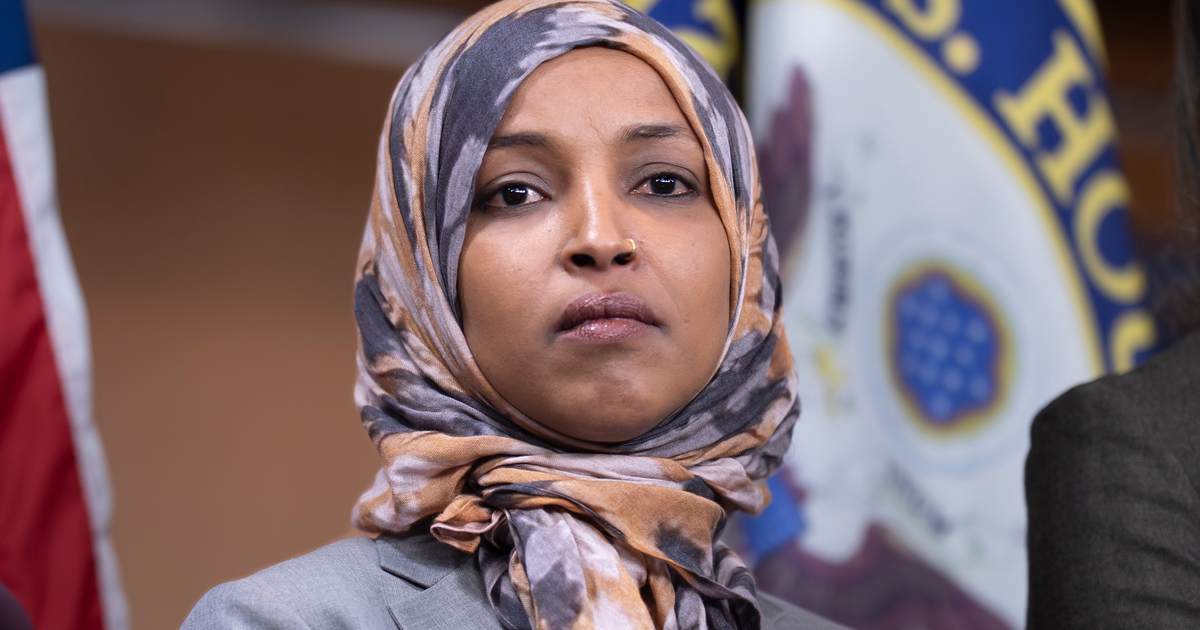
Federal Raid Targets Omar Amid Unresolved Name and Marriage Allegations
Agents searched Rep. Ilhan Omar's DC residence over immigration fraud allegations; she called it bizarre. Reports and commentary questioned her birth name and past marriage details.

Supreme Court Upholds New Hampshire Student ID Voting Ban
The Supreme Court upheld New Hampshire's ban on student IDs as valid voter identification just before midterms, affecting a tight Senate race.
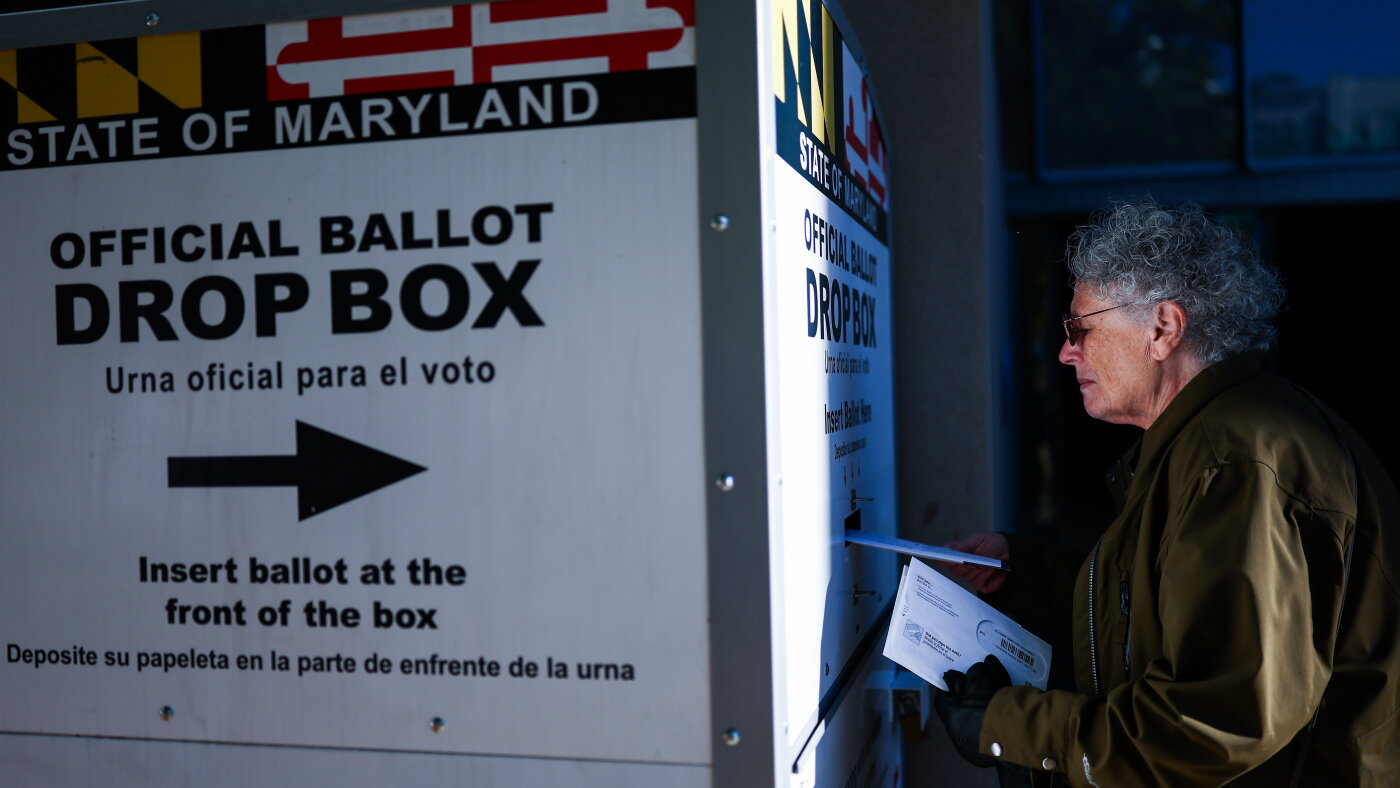
Early Voting Hits 21 Million as Most Trust Midterm Accuracy
Millions have already voted early as parties make final appeals amid $1.4 billion in ad spending; polls show confidence in election accuracy.
The Compass
You just read five takes on one story.
What's your take? Find your political shape in a few minutes.
Take the test