
Trump Ends Meet the Press Interview Over Election and Fund Questions
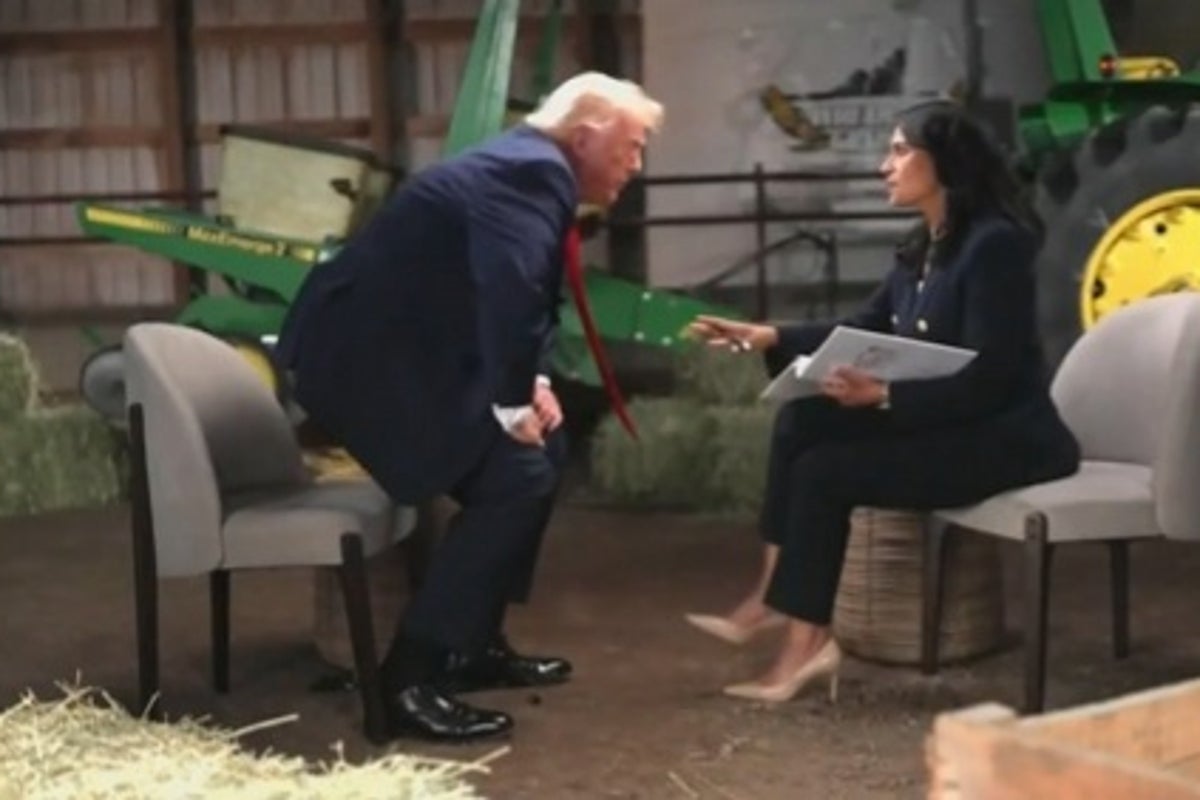
Cover image from independent.co.uk, which was analyzed for this article
Trump abruptly ended a Meet the Press interview after being challenged on election fraud claims and a reported $1.8B fund. The clash highlighted tensions over his statements on past elections.
PoliticalOS
Monday, June 8, 2026 — Politics
The interview ended after Trump declined to provide evidence for his 2020 election claims and after questions about the anti-weaponization fund's intended recipients. The episode illustrates ongoing friction between the president and interviewers over verification standards. Readers should weigh the quoted exchanges against the lack of independent corroboration for the specific assertions raised.
What outlets missed
Most accounts omitted the documented origin of the anti-weaponization fund as part of a May 2026 settlement in President Trump v. IRS over alleged tax-return leaks, which included a formal apology but no initial monetary award. Few noted Trump's post-interview comment that rain in the barn contributed to his frustration or Welker's statement that the two had spoken the next day and agreed to another interview. Coverage also gave limited attention to the specific vote-counting timeline in the California gubernatorial primary and the fact that the fund request had already been removed from the Senate reconciliation package before the interview aired.
A pre-recorded interview between President Donald Trump and NBC's Kristen Welker ended early when Trump removed his microphone and left the set. The exchange occurred Friday in a barn in Chippewa Falls, Wisconsin, during rain, and aired Sunday on Meet the Press. Welker had pressed Trump on two topics: his repeated assertions that the 2020 presidential election was rigged and questions about a proposed $1.8 billion anti-weaponization fund.
Trump stated that the 2020 election was stolen and that a similar process was underway in California's current gubernatorial race, where votes were still being counted days after the primary. When asked for evidence, he replied that local officials were crooked and that he needed only to look at the situation. He also described January 6 defendants as having been ushered into the Capitol by the FBI and said they accepted plea deals out of fear of harsher sentences. Welker noted the absence of supporting evidence for these statements.
The interview then turned to the anti-weaponization fund. Trump said he would be disappointed if Congress did not approve nearly $1.8 billion for people he described as targeted by prior Justice Department actions. Welker asked whether individuals who pleaded guilty to assaulting police officers on January 6 would receive payments. Trump did not answer directly. He later said the network was crooked and ended the session, telling Welker, "Let's call it quits because I've had enough. Thank you, darling. Have a good time." He appeared to step on the microphone while leaving.
Welker later stated on air that she spoke with Trump the following day and that both noted the rain had complicated the interview. Trump separately described the setting as a beautiful barn and said he had become angry because of the weather. The fund itself had faced legal challenges and internal Republican opposition; acting Attorney General Todd Blanche told lawmakers it was not moving forward. No transcript of the full exchange has been released by NBC.
More in Politics
Trump at 32% Approval as Gas Prices Test GOP Midterm Hopes
NYT/Siena polling showed Trump's approval at historic lows around 32 percent with Democrats leading by double digits in key districts. Early voting has surged in battleground states.

Record Early Voting Hits Battlegrounds, Shifting Partisan Shares
AP analysis found hundreds of thousands more early ballots than in 2022 in states including Texas, Ohio, Kansas, Maine, and North Carolina, shifting partisan dynamics.
Trump Backs Marshall in Kansas Senate Race Tightened by Farm Costs
President Trump rallied in deep-red Kansas for GOP Sen. Roger Marshall in a competitive race, announcing an $8 billion farm fuel relief program amid high diesel prices. Democrats see an opening to end 94 years of GOP dominance in the state.

Trump Pauses Russia Sanctions Amid Ukraine Tensions and Missile Strikes
Trump waived sanctions on Russia and floated trilateral talks with Putin and Xi as part of ending the Ukraine war, while tensions rose with Zelenskyy over Starlink and arms. Bipartisan senators engaged Zelenskyy amid the shifts.
The Compass
You just read five takes on one story.
What's your take? Find your political shape in a few minutes.
Take the test