
Trump Ends Meet the Press Interview Over Election and Fund Questions
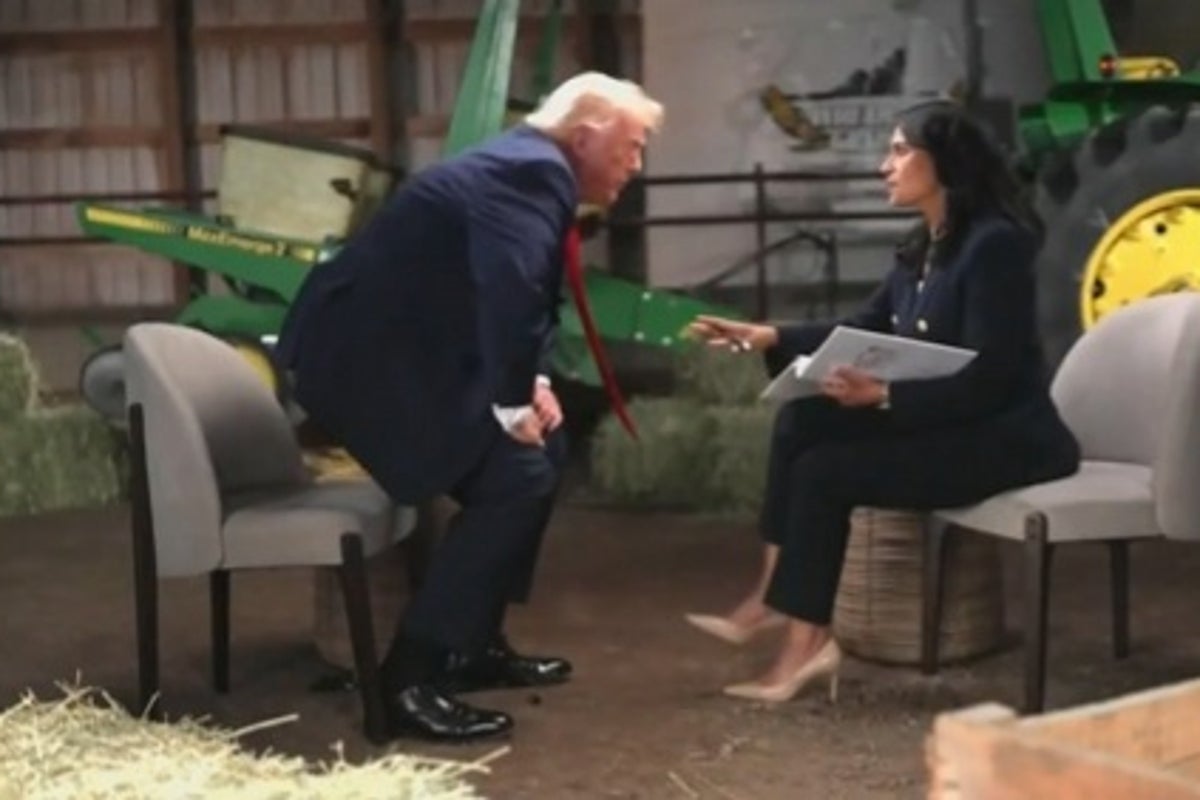
Cover image from independent.co.uk, which was analyzed for this article
Trump abruptly ended a Meet the Press interview after being challenged on election fraud claims and a reported $1.8B fund. The clash highlighted tensions over his statements on past elections.
PoliticalOS
Monday, June 8, 2026 — Politics
The interview ended after Trump declined to provide evidence for his 2020 election claims and after questions about the anti-weaponization fund's intended recipients. The episode illustrates ongoing friction between the president and interviewers over verification standards. Readers should weigh the quoted exchanges against the lack of independent corroboration for the specific assertions raised.
What outlets missed
Most accounts omitted the documented origin of the anti-weaponization fund as part of a May 2026 settlement in President Trump v. IRS over alleged tax-return leaks, which included a formal apology but no initial monetary award. Few noted Trump's post-interview comment that rain in the barn contributed to his frustration or Welker's statement that the two had spoken the next day and agreed to another interview. Coverage also gave limited attention to the specific vote-counting timeline in the California gubernatorial primary and the fact that the fund request had already been removed from the Senate reconciliation package before the interview aired.
Trump Exits NBC Interview After Host Repeats Establishment Lines on Election and January 6
President Donald Trump cut short a pre-recorded interview with NBC's Kristen Welker on Meet the Press after the host pressed him on long-standing disputes over the 2020 election and compensation for those prosecuted following the Capitol events of January 6. The exchange aired Sunday and took place Friday in a barn in Chippewa Falls, Wisconsin.
Trump had been discussing a proposed $1.8 billion anti-weaponization fund intended to provide restitution to individuals targeted by federal prosecutors during the Biden years. He described the measure as necessary to address what he called the destruction of lives through aggressive legal actions. When Welker raised questions about whether participants in the January 6 events deserved such payments, Trump countered that many had entered the Capitol under circumstances involving federal encouragement and that guilty pleas often stemmed from pressure to avoid harsher sentences.
The president stated there was substantial evidence supporting claims of irregularities in 2020 and pointed to ongoing vote counting issues in California as further signs of problems. Welker asked repeatedly for specific proof and referenced statements from local officials about standard procedures. Trump responded by describing the media and the network as crooked and unwilling to confront what he viewed as obvious manipulation in past elections.
As the back-and-forth continued, Trump removed his earpiece and microphone. He told Welker the interview was over, saying he had heard enough, and left the set. The moment came after Trump accused the press of playing into narratives pushed by political opponents.
The proposed fund has drawn criticism from some lawmakers who argue it would reward those involved in the Capitol breach. Supporters see it as a direct response to what they describe as selective prosecution, where hundreds faced charges ranging from trespassing to more serious counts while broader questions about security lapses and participant backgrounds received less attention. Trump has pardoned numerous January 6 defendants since taking office again, a step he framed as correcting imbalances in the justice system.
The interview highlighted familiar divides. Trump has consistently maintained that aspects of the 2020 contest involved coordinated efforts to shape outcomes, including changes to voting rules during the pandemic and unusual counting processes in key states. Welker's line of questioning aligned with the view held by many in mainstream outlets that such assertions lack foundation. Trump dismissed this approach as either deliberate distortion or willful blindness.
Observers noted the abrupt ending reflected Trump's growing impatience with formats that revisit settled disputes without new evidence or context. The network presented the segment as an example of accountability, yet the exchange largely recycled points raised during the campaign and first term. Trump's departure underscored his administration's broader stance that legacy media outlets remain invested in narratives that downplay government overreach and amplify partisan interpretations of events like January 6.
The anti-weaponization proposal remains before Congress, where its prospects depend on Republican priorities in both chambers. Trump indicated disappointment if it fails but expressed confidence that many in his party recognize the need for measures addressing perceived weaponization of federal agencies.
You just read America First's take. Want to read what actually happened?
More in Politics

Trump Defends Ramaswamy Ad Using Estranged Mother in Ohio Race
President Trump defended a GOP nominee's ad featuring a Democratic opponent's estranged mother, calling it powerful, while drawing criticism from some Republicans including Ohio Gov. Mike DeWine. The ad has sparked internal GOP tensions ahead of midterms.
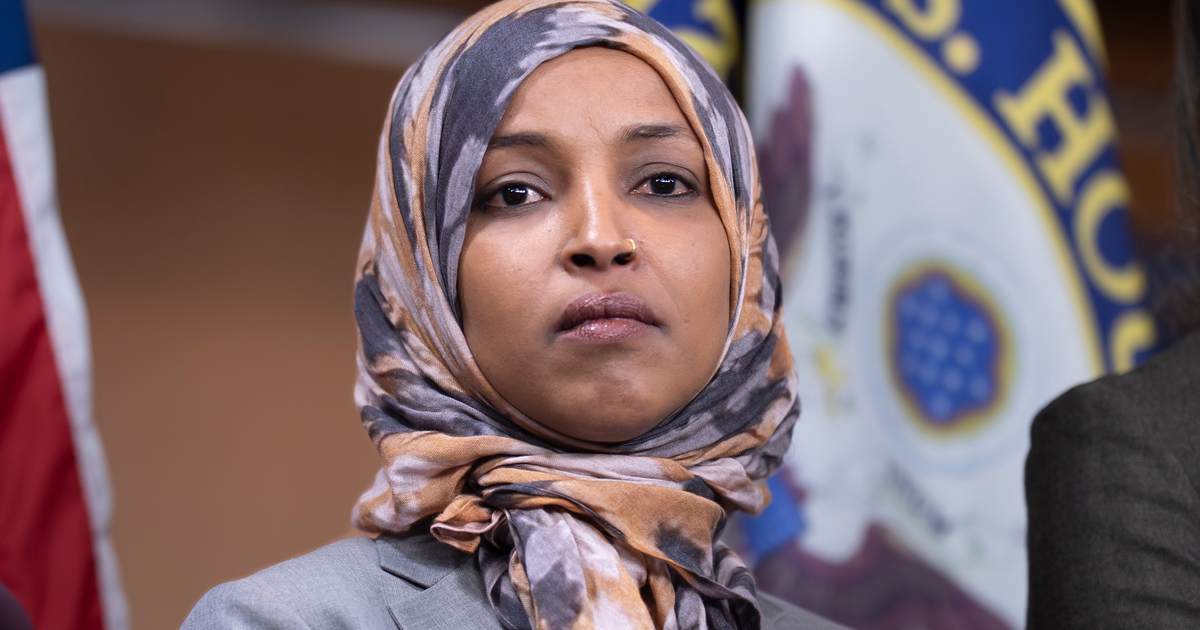
Federal Raid Targets Omar Amid Unresolved Name and Marriage Allegations
Agents searched Rep. Ilhan Omar's DC residence over immigration fraud allegations; she called it bizarre. Reports and commentary questioned her birth name and past marriage details.

Supreme Court Upholds New Hampshire Student ID Voting Ban
The Supreme Court upheld New Hampshire's ban on student IDs as valid voter identification just before midterms, affecting a tight Senate race.
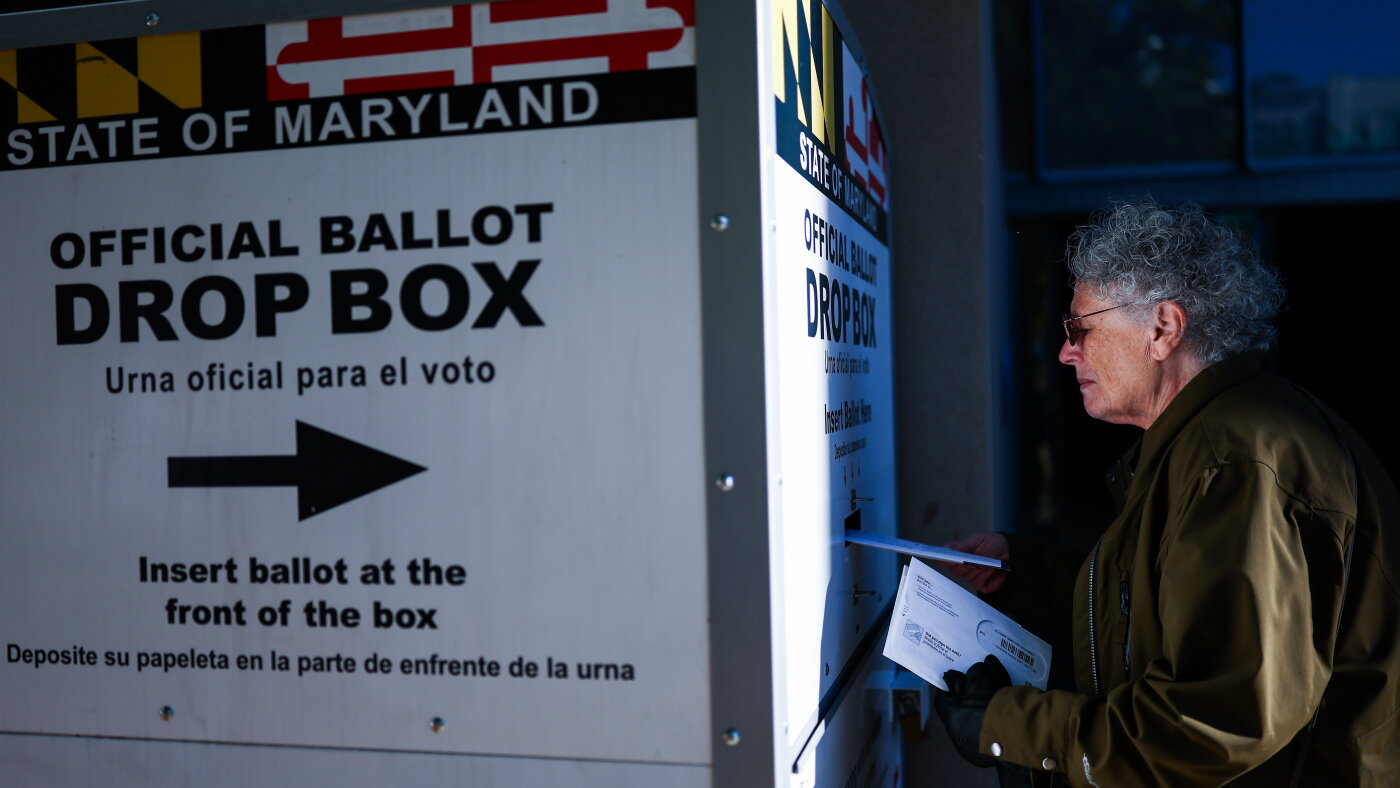
Early Voting Hits 21 Million as Most Trust Midterm Accuracy
Millions have already voted early as parties make final appeals amid $1.4 billion in ad spending; polls show confidence in election accuracy.
The Compass
You just read five takes on one story.
What's your take? Find your political shape in a few minutes.
Take the test