
Trump Warns Oman on Hormuz Control Amid Iran Talks

Cover image from time.com, which was analyzed for this article
Trump warned he would 'blow up' US ally Oman if it failed to cooperate on Strait of Hormuz shipping amid Iran tensions. Remarks drew widespread coverage from multiple perspectives.
PoliticalOS
Thursday, May 28, 2026 — Politics
The central unresolved issue is whether the United States will accept any mechanism that gives Iran or Oman leverage over Hormuz transit fees, or whether Washington will insist on unrestricted access under its own oversight. Trump’s blunt statement crystallized that tension during active, fragile negotiations.
What outlets missed
Multiple outlets omitted the State Department’s public posting of the full transcript, which placed the Oman remark directly after discussion of Iranian transit-fee proposals. Coverage rarely noted the precise duration of the strait closure or the specific US strikes on the Bandar Abbas drone facility that preceded Iran’s retaliatory action. Few accounts included Trump’s explicit rejection of sanctions relief or asset unfreezing as part of any deal. The absence of these details left readers without a complete record of the administration’s stated red lines.
Trump Warns Oman Against Interfering With Hormuz Passage
Donald Trump stated during a cabinet meeting that Oman must not attempt to control or impose tolls on the Strait of Hormuz or face unspecified consequences. The president described the waterway as international waters that should remain open to all shipping without restriction from bordering states. He noted that the United States would oversee free passage while rejecting any joint arrangements between Oman and Iran.
The strait has stayed largely closed since Iran imposed a blockade late last year amid its conflict with the United States and Israel. That closure has restricted roughly one-fifth of global oil shipments and contributed to sharp increases in energy costs that continue to affect supply chains. Reports indicate Iran has discussed revenue-sharing proposals with Oman for future transit fees, a move Trump explicitly rejected.
Oman maintains longstanding security and trade agreements with the United States that date back decades. The country has also served as an occasional intermediary in regional talks and has experienced attacks linked to Iranian forces during the current fighting. Despite these ties, the administration appears determined to prevent any local power from gaining leverage over the passage.
Negotiations for a broader settlement with Iran remain stalled. Recent exchanges of strikes, including reported American action against Revolutionary Guard targets and an Iranian response near an American facility in Kuwait, have added friction. Trump indicated willingness to maintain pressure rather than accept terms that leave control questions unresolved.
Market analysts point to sustained price pressure on petroleum products as long as the strait stays restricted. Historical patterns show that even brief interruptions in Hormuz traffic produce ripple effects across transportation and manufacturing sectors that last well beyond the immediate crisis. Open access has long supported lower costs and more reliable supply, outcomes that align with the advantages of unobstructed commerce.
Past efforts to manage similar chokepoints through multilateral deals have frequently produced mixed results, with enforcement challenges and shifting alliances undermining initial agreements. The administration's stance emphasizes direct deterrence over shared arrangements that could invite future disputes. Whether the recent remarks reflect precise policy or rhetorical emphasis, they underscore the priority placed on preventing any single actor from dictating terms at a critical global trade route.
You just read Conservative's take. Want to read what actually happened?
More in Politics

Trump Defends Ramaswamy Ad Using Estranged Mother in Ohio Race
President Trump defended a GOP nominee's ad featuring a Democratic opponent's estranged mother, calling it powerful, while drawing criticism from some Republicans including Ohio Gov. Mike DeWine. The ad has sparked internal GOP tensions ahead of midterms.
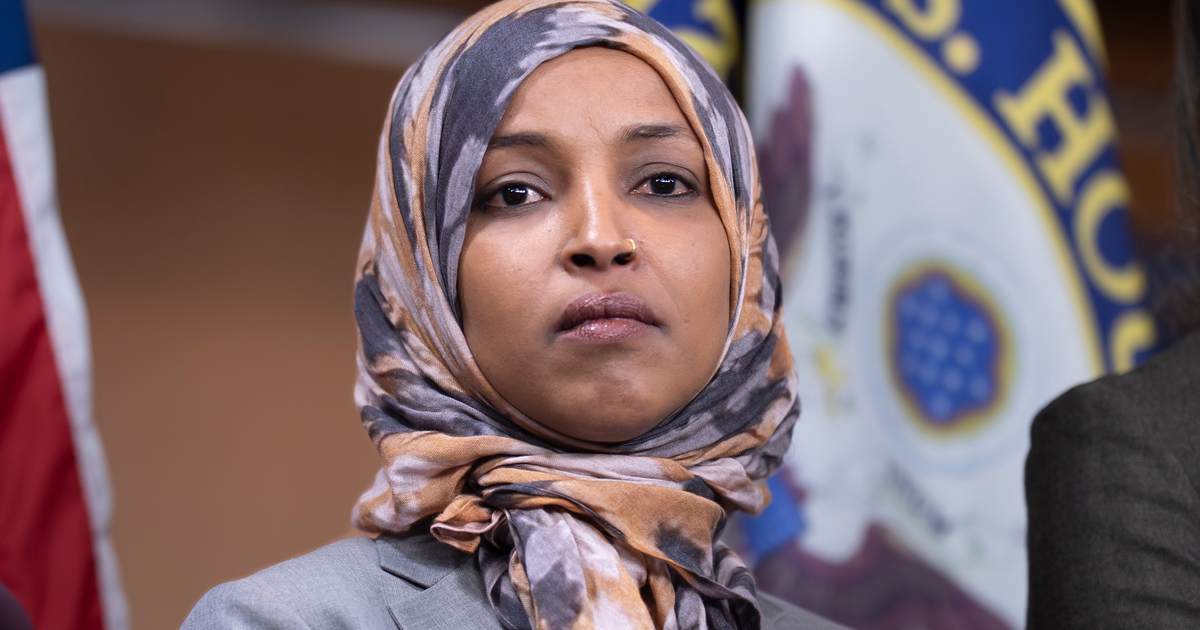
Federal Raid Targets Omar Amid Unresolved Name and Marriage Allegations
Agents searched Rep. Ilhan Omar's DC residence over immigration fraud allegations; she called it bizarre. Reports and commentary questioned her birth name and past marriage details.

Supreme Court Upholds New Hampshire Student ID Voting Ban
The Supreme Court upheld New Hampshire's ban on student IDs as valid voter identification just before midterms, affecting a tight Senate race.
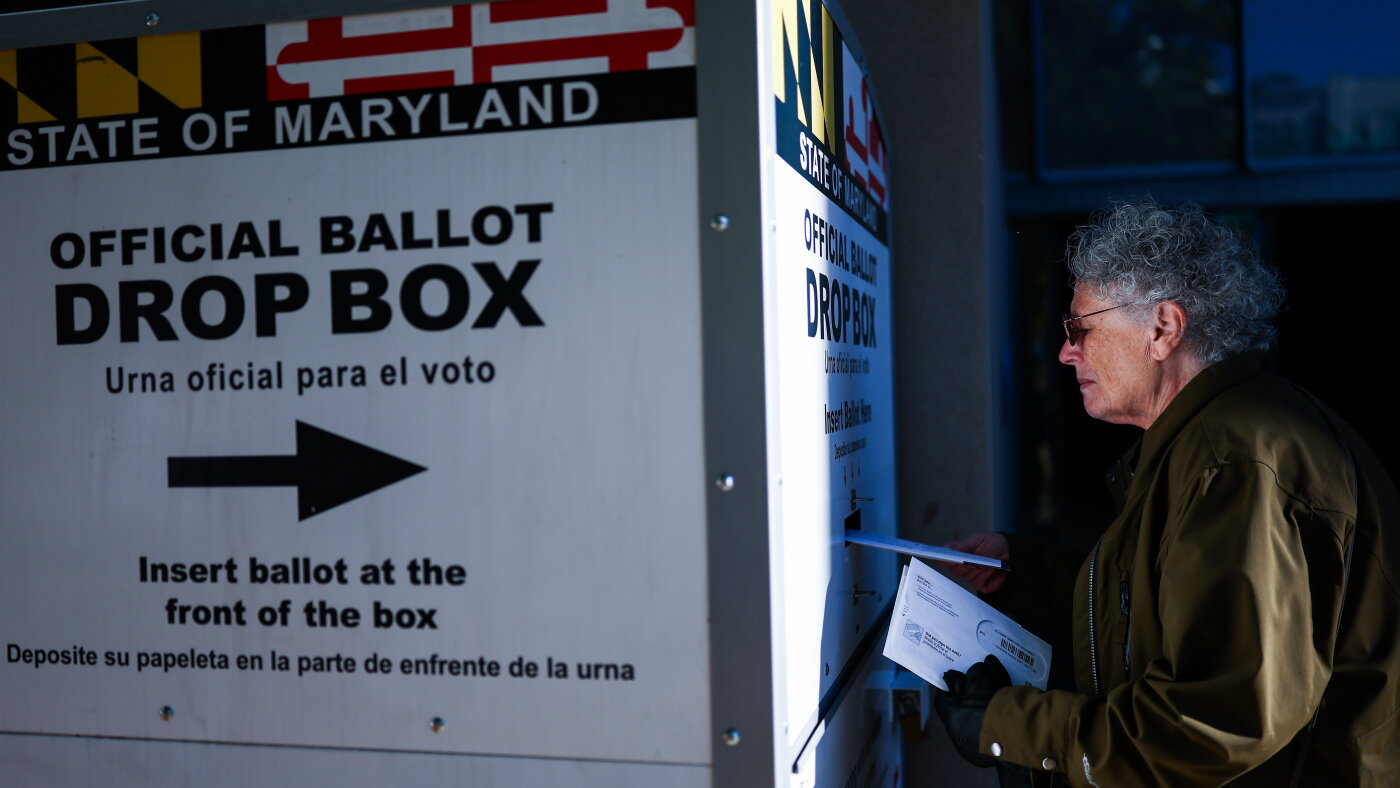
Early Voting Hits 21 Million as Most Trust Midterm Accuracy
Millions have already voted early as parties make final appeals amid $1.4 billion in ad spending; polls show confidence in election accuracy.
The Compass
You just read five takes on one story.
What's your take? Find your political shape in a few minutes.
Take the test