
Trump Warns Oman on Hormuz Control Amid Iran Talks
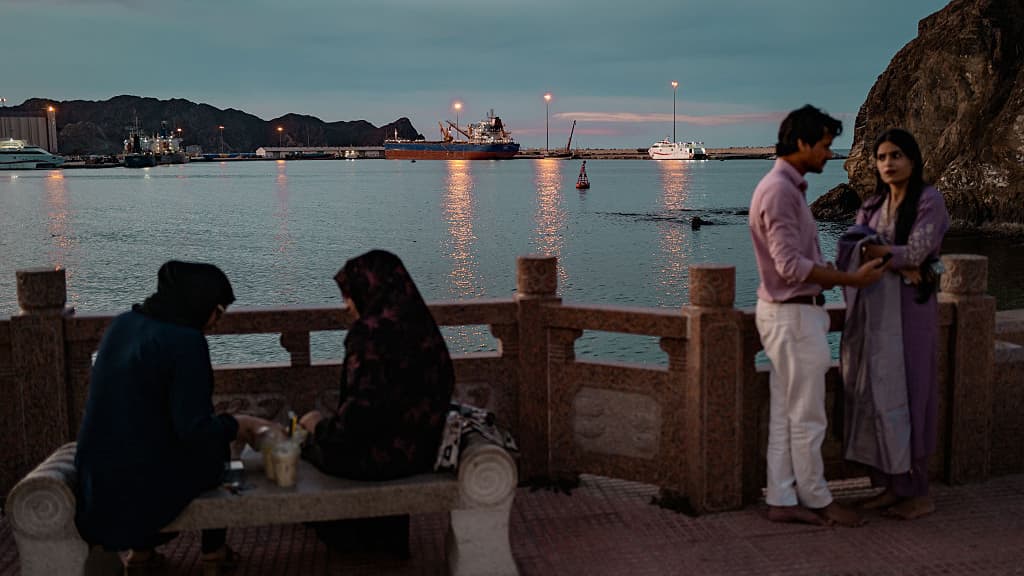
Cover image from time.com, which was analyzed for this article
Trump warned he would 'blow up' US ally Oman if it failed to cooperate on Strait of Hormuz shipping amid Iran tensions. Remarks drew widespread coverage from multiple perspectives.
PoliticalOS
Thursday, May 28, 2026 — Politics
The central unresolved issue is whether the United States will accept any mechanism that gives Iran or Oman leverage over Hormuz transit fees, or whether Washington will insist on unrestricted access under its own oversight. Trump’s blunt statement crystallized that tension during active, fragile negotiations.
What outlets missed
Multiple outlets omitted the State Department’s public posting of the full transcript, which placed the Oman remark directly after discussion of Iranian transit-fee proposals. Coverage rarely noted the precise duration of the strait closure or the specific US strikes on the Bandar Abbas drone facility that preceded Iran’s retaliatory action. Few accounts included Trump’s explicit rejection of sanctions relief or asset unfreezing as part of any deal. The absence of these details left readers without a complete record of the administration’s stated red lines.
Trump Warns of Blowing Up Oman if It Fails to Comply on Strait of Hormuz
President Donald Trump issued a blunt threat against Oman during a White House cabinet meeting this week, declaring that the longstanding US ally would face destruction if it did not fall in line over control of the Strait of Hormuz. The remark came amid reports that Oman and Iran have discussed jointly imposing tolls on vessels transiting the vital waterway, which has been effectively closed since the start of the US-Israel conflict with Iran.
Speaking to reporters, Trump insisted the strait must remain open to all traffic under US oversight. "Nobody's going to control it," he said. "Oman will behave just like everybody else. Or else we'll have to blow them up. They understand that." The comment was posted immediately by the State Department on X, underscoring its official weight despite its off-the-cuff delivery. Oman, a nation of 5.3 million with deep military and economic links to Washington spanning more than five decades, has also served as a mediator in the current conflict and has itself endured Iranian attacks.
The strait, which normally handles roughly one-fifth of global oil supplies, has been blockaded by Iran since late February. The closure has driven sharp increases in energy prices worldwide, with analysts warning of prolonged economic ripple effects even if passage resumes soon. Trump has pushed for a quick reopening, either through diplomacy or force, but those efforts have stalled. Recent US strikes on Iranian targets reportedly killed four members of the Islamic Revolutionary Guard Corps, prompting what appeared to be an Iranian retaliatory strike on an American airbase in Kuwait.
Oman's reported talks with Tehran about toll collection have drawn particular ire from the administration. Trump framed the issue as a matter of international waters that no single country should dominate. Some observers have speculated that the president may have misspoken and intended to direct the threat at Iran rather than Oman, a possibility raised by his earlier verbal slips during the same press exchange, including a confused reference to Venezuela when discussing Iranian capabilities.
The episode unfolds against a backdrop of faltering negotiations for a broader peace deal. Trump has stated he is prepared to outlast Iranian resistance, even as midterm election pressures mount. Critics note that such erratic public threats risk undermining whatever slim trust remains in the diplomatic channel, particularly given Oman's quiet but consistent role in past regional de-escalations. Internet restrictions inside Iran were partially eased this week, exposing growing domestic anger over soaring food costs tied to the conflict and sanctions.
Israeli forces have meanwhile expanded operations in southern Lebanon, ordering residents to evacuate areas near Hezbollah positions. The wider regional fallout from the Hormuz standoff continues to test alliances that Trump once touted as stable under his first-term Abraham Accords framework. No clarification has yet emerged from the White House on whether the Oman remark reflected deliberate policy or an unscripted escalation.
You just read Progressive's take. Want to read what actually happened?
More in Politics

Trump Defends Ramaswamy Ad Using Estranged Mother in Ohio Race
President Trump defended a GOP nominee's ad featuring a Democratic opponent's estranged mother, calling it powerful, while drawing criticism from some Republicans including Ohio Gov. Mike DeWine. The ad has sparked internal GOP tensions ahead of midterms.
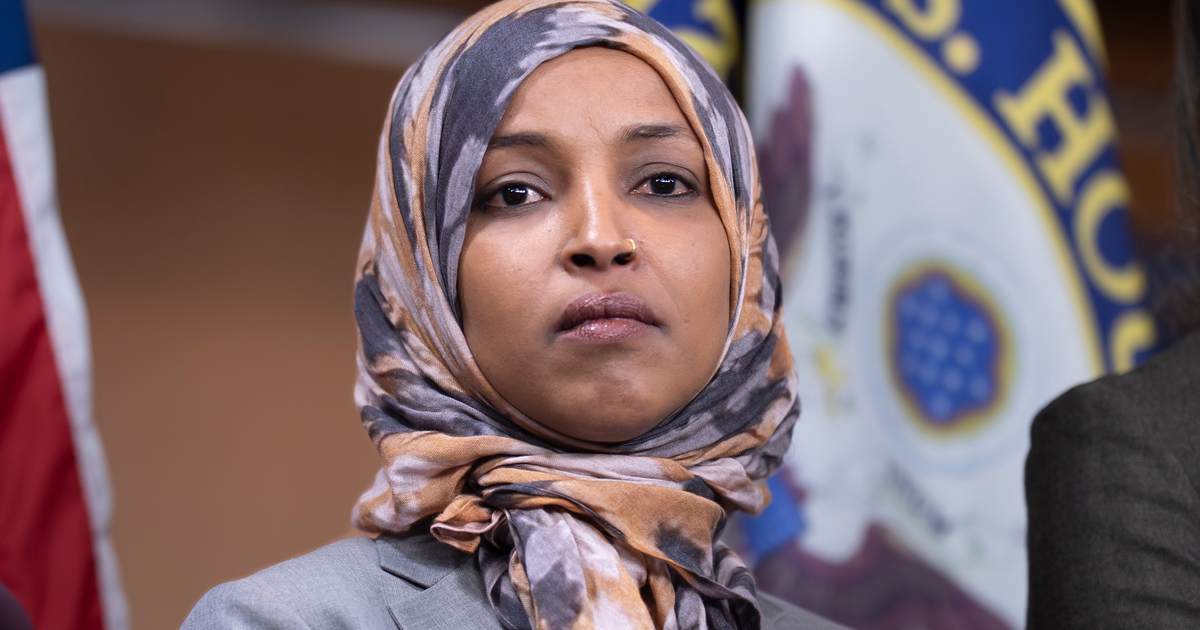
Federal Raid Targets Omar Amid Unresolved Name and Marriage Allegations
Agents searched Rep. Ilhan Omar's DC residence over immigration fraud allegations; she called it bizarre. Reports and commentary questioned her birth name and past marriage details.

Supreme Court Upholds New Hampshire Student ID Voting Ban
The Supreme Court upheld New Hampshire's ban on student IDs as valid voter identification just before midterms, affecting a tight Senate race.
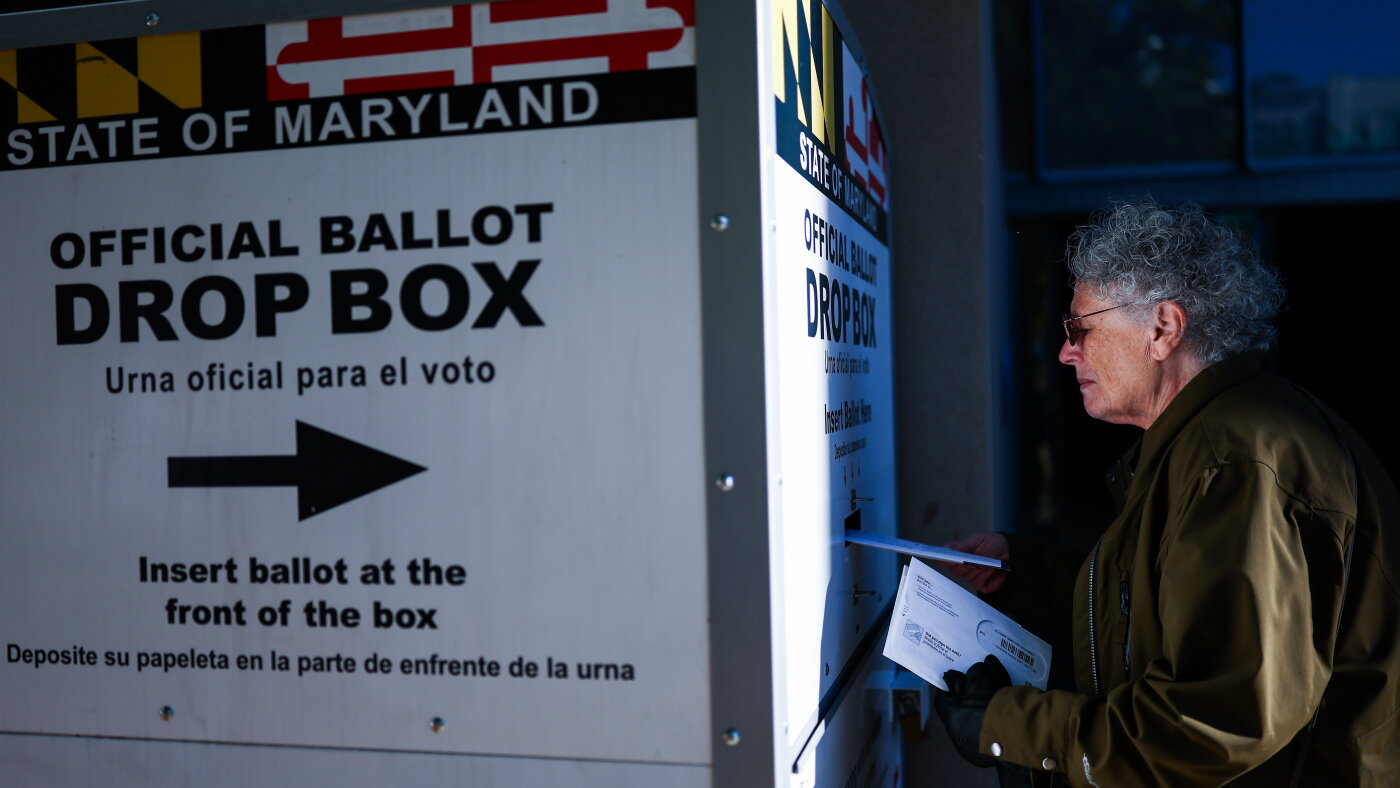
Early Voting Hits 21 Million as Most Trust Midterm Accuracy
Millions have already voted early as parties make final appeals amid $1.4 billion in ad spending; polls show confidence in election accuracy.
The Compass
You just read five takes on one story.
What's your take? Find your political shape in a few minutes.
Take the test