
Trump pledges 5,000 more troops to Poland after earlier cuts
Cover image from independent.co.uk, which was analyzed for this article
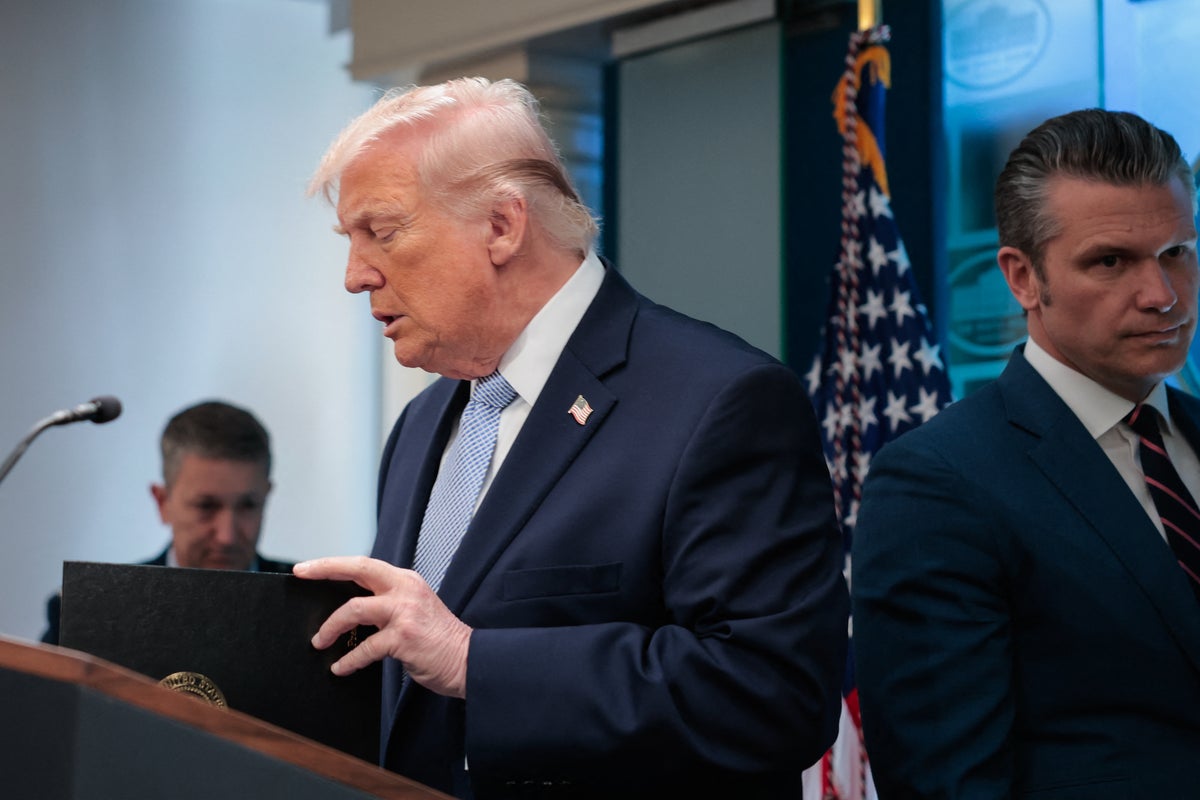
President Trump announced the deployment of thousands of additional US troops to Poland, reversing recent Pentagon plans and creating confusion among NATO allies. The move comes amid ongoing tensions with Iran and mixed signals on US commitments in Europe.
PoliticalOS
Friday, May 22, 2026 — Politics
The announcement signals continued U.S. presence in Poland while coinciding with planned reductions elsewhere in Europe. Allies now face the task of interpreting whether these shifts represent a lasting rebalancing or further short-term adjustments.
What outlets missed
Most reports omitted Poland’s verified 4.48 percent GDP defense spending figure, the highest in NATO, which provides concrete context for the basing decision. Few clarified whether the 5,000 troops constitute a net addition or a relocation from the announced Germany drawdown. Details on existing U.S. troop levels in Poland, roughly 10,000 before the announcement, were also absent from most accounts, leaving readers without a baseline to judge continuity.
Trump Pledges Additional Troops to Poland After Criticizing NATO Allies
President Donald Trump announced Thursday that the United States will send 5,000 more troops to Poland, connecting the move to his prior endorsement of that country's conservative president, Karol Nawrocki. The decision came through a post on Truth Social and surprised officials hours before U.S. Secretary of State Marco Rubio was scheduled to meet NATO foreign ministers in Helsingborg, Sweden.
Trump stated the deployment rested on Nawrocki's election and the personal relationship between the two leaders. Poland's foreign minister, Radek Sikorski, welcomed the news and noted it would keep American troop levels in the country roughly steady after earlier adjustments. Nawrocki responded by emphasizing alliances grounded in cooperation and mutual respect for shared security.
The announcement followed weeks of sharp criticism from Trump toward several NATO members. He has questioned whether the United States should remain bound by mutual defense commitments when some allies refused to allow American forces to use their bases during the conflict with Iran. Spain drew particular mention for its refusal. Trump had also floated the possibility of withdrawing from the alliance altogether.
Earlier this month, the administration ordered the withdrawal of 5,000 troops from Germany after German Chancellor Friedrich Merz publicly criticized U.S. handling of the Iran situation. Military officials indicated that withdrawal contributed to delays in previously planned movements of forces into Poland. The new deployment appears to offset those reductions at least in part.
NATO Secretary General Mark Rutte told reporters Friday that alliance members were increasing defense spending toward a new 5 percent of GDP target set for 2035. He pointed to commitments already in motion that would add hundreds of billions in extra outlays over time. Sweden, the newest member, has accelerated plans to meet the goal by 2030. Rutte stressed that funds must translate into actual equipment and readiness rather than higher prices.
European ministers at the meeting expressed confusion over the sequence of U.S. troop shifts. Swedish Foreign Minister Maria Malmer Stenergard described the pattern as difficult to navigate. Norwegian Foreign Minister Espen Barth Eide said any reductions needed to occur in an orderly way so European nations could adjust their own forces accordingly. Several officials noted that further drawdowns had been anticipated as Washington redirects attention to other regions.
Rubio maintained that the decisions were not intended as punishment. He said periodic reviews of deployments are routine to align resources with global priorities. The ministers prepared for a July summit in Ankara, where discussions are expected to center on European contributions to collective defense rather than renewed tensions.
Poland has maintained higher defense spending relative to many other NATO members, a point allies have cited when assessing burden sharing. The latest U.S. move leaves open questions about whether future deployments will follow similar patterns tied to specific bilateral relationships or broader alliance performance.
You just read Conservative's take. Want to read what actually happened?
More in Politics
Trump at 32% Approval as Gas Prices Test GOP Midterm Hopes
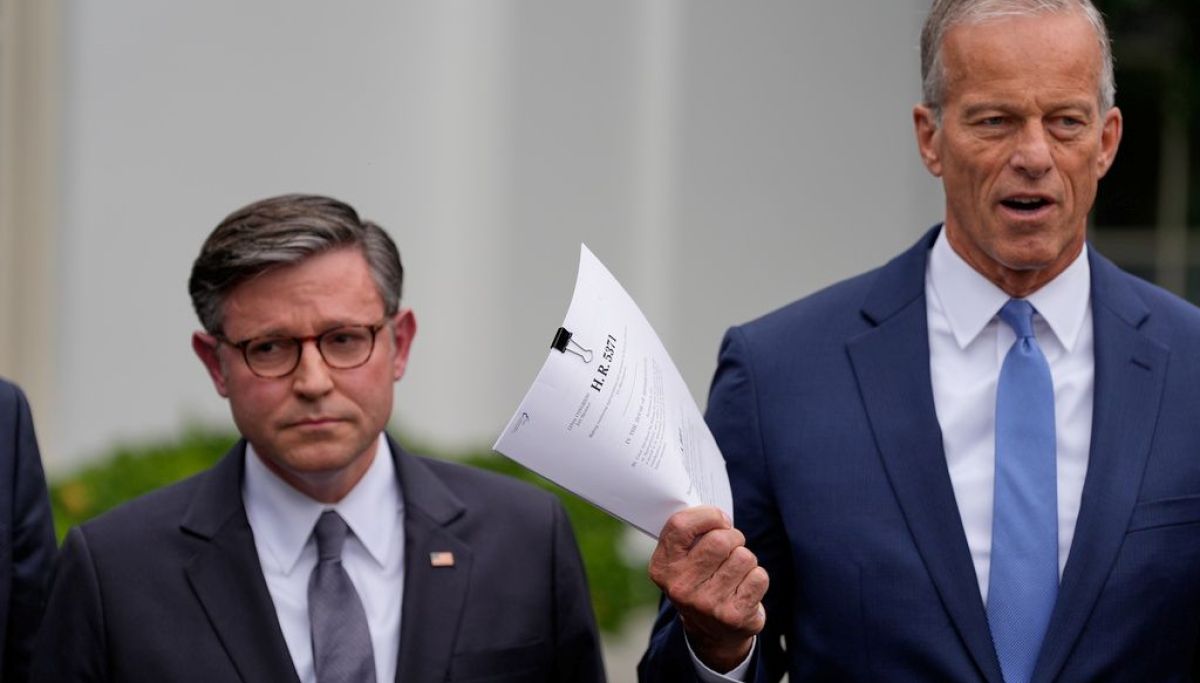
NYT/Siena polling showed Trump's approval at historic lows around 32 percent with Democrats leading by double digits in key districts. Early voting has surged in battleground states.

Record Early Voting Hits Battlegrounds, Shifting Partisan Shares
AP analysis found hundreds of thousands more early ballots than in 2022 in states including Texas, Ohio, Kansas, Maine, and North Carolina, shifting partisan dynamics.
Trump Backs Marshall in Kansas Senate Race Tightened by Farm Costs
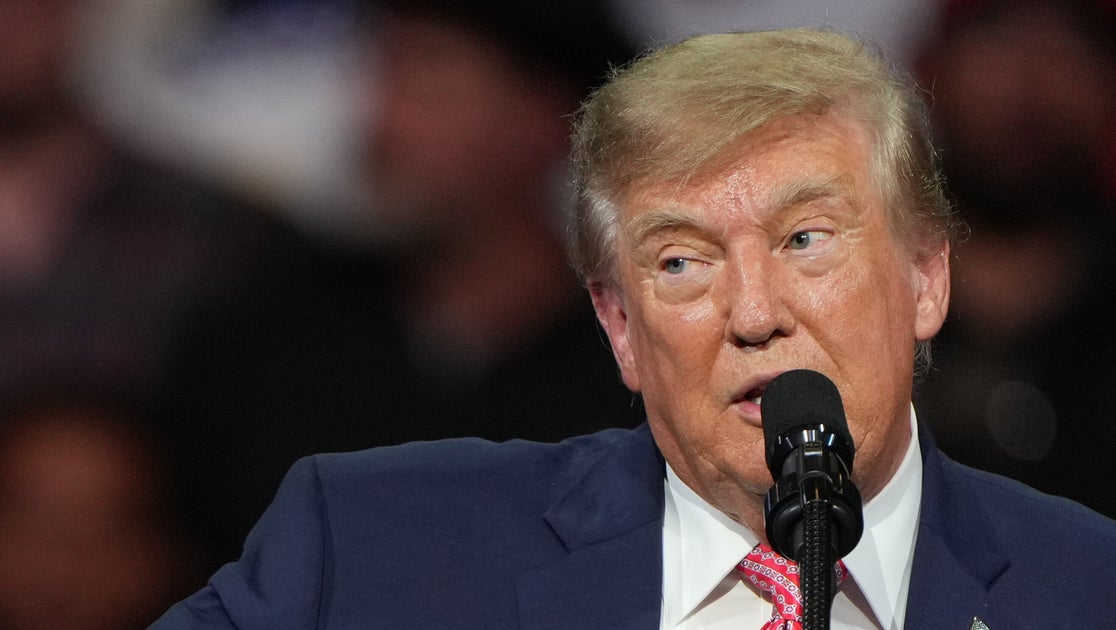
President Trump rallied in deep-red Kansas for GOP Sen. Roger Marshall in a competitive race, announcing an $8 billion farm fuel relief program amid high diesel prices. Democrats see an opening to end 94 years of GOP dominance in the state.

Trump Pauses Russia Sanctions Amid Ukraine Tensions and Missile Strikes
Trump waived sanctions on Russia and floated trilateral talks with Putin and Xi as part of ending the Ukraine war, while tensions rose with Zelenskyy over Starlink and arms. Bipartisan senators engaged Zelenskyy amid the shifts.
The Compass
You just read five takes on one story.
What's your take? Find your political shape in a few minutes.
Take the test