
Trump pledges 5,000 more troops to Poland after earlier cuts
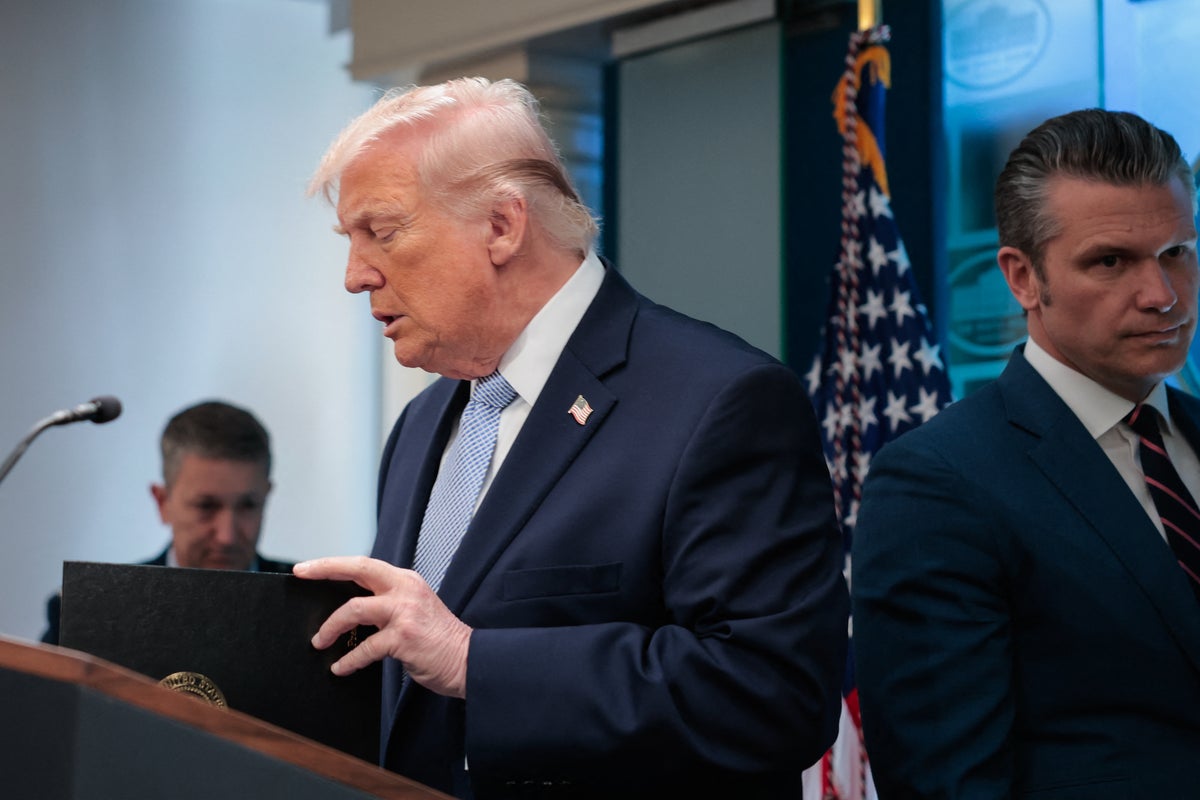
Cover image from independent.co.uk, which was analyzed for this article
President Trump announced the deployment of thousands of additional US troops to Poland, reversing recent Pentagon plans and creating confusion among NATO allies. The move comes amid ongoing tensions with Iran and mixed signals on US commitments in Europe.
PoliticalOS
Friday, May 22, 2026 — Politics
The announcement signals continued U.S. presence in Poland while coinciding with planned reductions elsewhere in Europe. Allies now face the task of interpreting whether these shifts represent a lasting rebalancing or further short-term adjustments.
What outlets missed
Most reports omitted Poland’s verified 4.48 percent GDP defense spending figure, the highest in NATO, which provides concrete context for the basing decision. Few clarified whether the 5,000 troops constitute a net addition or a relocation from the announced Germany drawdown. Details on existing U.S. troop levels in Poland, roughly 10,000 before the announcement, were also absent from most accounts, leaving readers without a baseline to judge continuity.
Trump Rewards Loyal Ally Poland with Fresh Troop Deployment
President Donald Trump announced Thursday that the United States will send an additional 5,000 troops to Poland, linking the move directly to his endorsement of the country's newly elected conservative leader. The decision arrived through a Truth Social post hours before Secretary of State Marco Rubio was set to address NATO foreign ministers in Sweden, catching alliance partners off guard after weeks of sharp American criticism over their reluctance to support the U.S. campaign against Iran.
Trump credited the deployment to his relationship with Polish President Karol Nawrocki, the nationalist conservative who won election last year with explicit backing from the White House. "Based on the successful Election of the now President of Poland, Karol Nawrocki, who I was proud to Endorse, and our relationship with him, I am pleased to announce that the United States will be sending an additional 5,000 Troops to Poland," Trump stated. Nawrocki welcomed the news, describing good alliances as those built on cooperation and mutual respect. Polish Foreign Minister Radek Sikorski added that the move would keep American forces in the country at roughly previous levels.
The announcement marked a clear shift from earlier plans. The administration had recently canceled a scheduled troop rotation to Poland after deciding to withdraw 5,000 soldiers from Germany. That earlier pullback followed public friction with German Chancellor Friedrich Merz, who had questioned Washington's handling of the Iran conflict. U.S. officials have described these adjustments as routine reviews of global commitments rather than punishment for any single country. Rubio told reporters in Miami that some NATO members, notably Spain, had refused to allow American use of bases for operations against Iran. He asked pointedly why such nations remained in the alliance if they would not contribute when needed.
European ministers gathered in Helsingborg expressed confusion over the rapid changes in U.S. positioning. Swedish Foreign Minister Maria Malmer Stenergard called the signals difficult to navigate, while others stressed the need for orderly transitions so that European nations could adjust their own defenses. NATO Secretary General Mark Rutte struck a more upbeat tone, noting that member states are accelerating toward a new 5 percent of GDP defense spending target by 2035. He highlighted recent commitments from countries including Sweden and said the alliance would see hundreds of billions in added outlays over the coming years.
The troop decision fits a pattern in which Trump has favored concrete partnerships with governments that share his skepticism of multilateral obligations. Poland under Nawrocki has consistently met or exceeded NATO spending benchmarks and has voiced strong support for American priorities. In contrast, several Western European capitals have dragged their feet on both spending and operational backing. The latest deployment does not signal a broader recommitment to the alliance as currently structured. Instead, it underscores Washington's willingness to station forces where they align with direct bilateral interests and where host governments demonstrate reliability.
Allies now prepare for a July summit in Ankara amid lingering questions about long-term U.S. posture in Europe. Rubio insisted the moves are not punitive and reflect ongoing assessments of worldwide requirements. European officials, for their part, continue to press for predictability. What remains clear is that Trump continues to treat NATO as a collection of sovereign states rather than an automatic collective, extending support to those who earn it through action rather than rhetoric.
You just read America First's take. Want to read what actually happened?
More in Politics

Trump Defends Ramaswamy Ad Using Estranged Mother in Ohio Race
President Trump defended a GOP nominee's ad featuring a Democratic opponent's estranged mother, calling it powerful, while drawing criticism from some Republicans including Ohio Gov. Mike DeWine. The ad has sparked internal GOP tensions ahead of midterms.
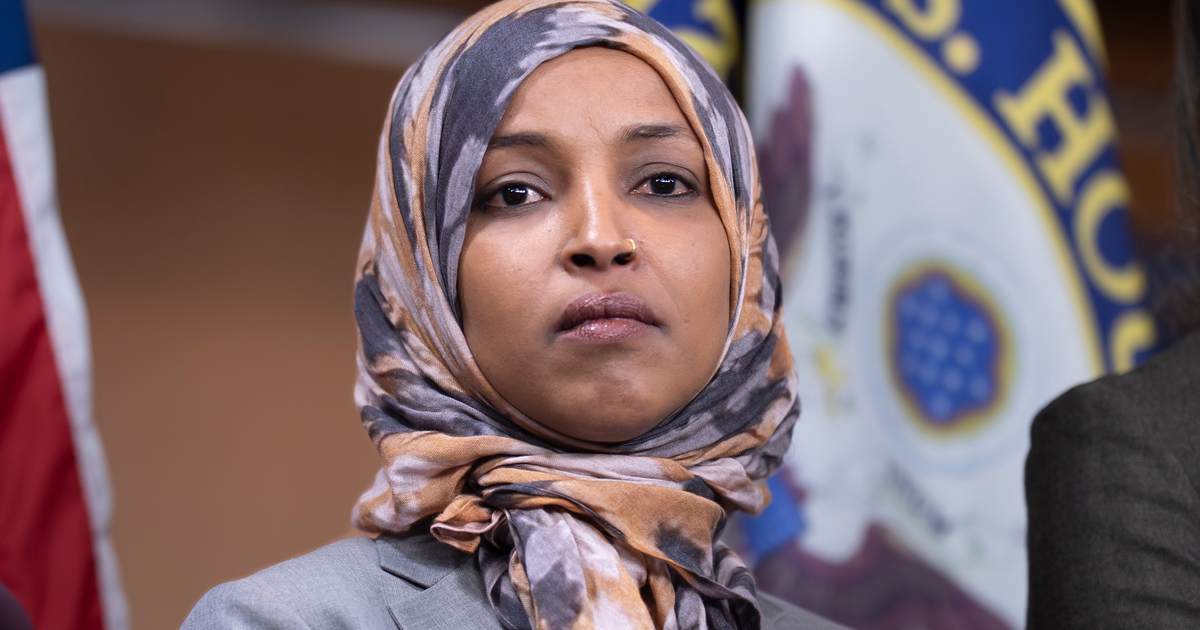
Federal Raid Targets Omar Amid Unresolved Name and Marriage Allegations
Agents searched Rep. Ilhan Omar's DC residence over immigration fraud allegations; she called it bizarre. Reports and commentary questioned her birth name and past marriage details.

Supreme Court Upholds New Hampshire Student ID Voting Ban
The Supreme Court upheld New Hampshire's ban on student IDs as valid voter identification just before midterms, affecting a tight Senate race.
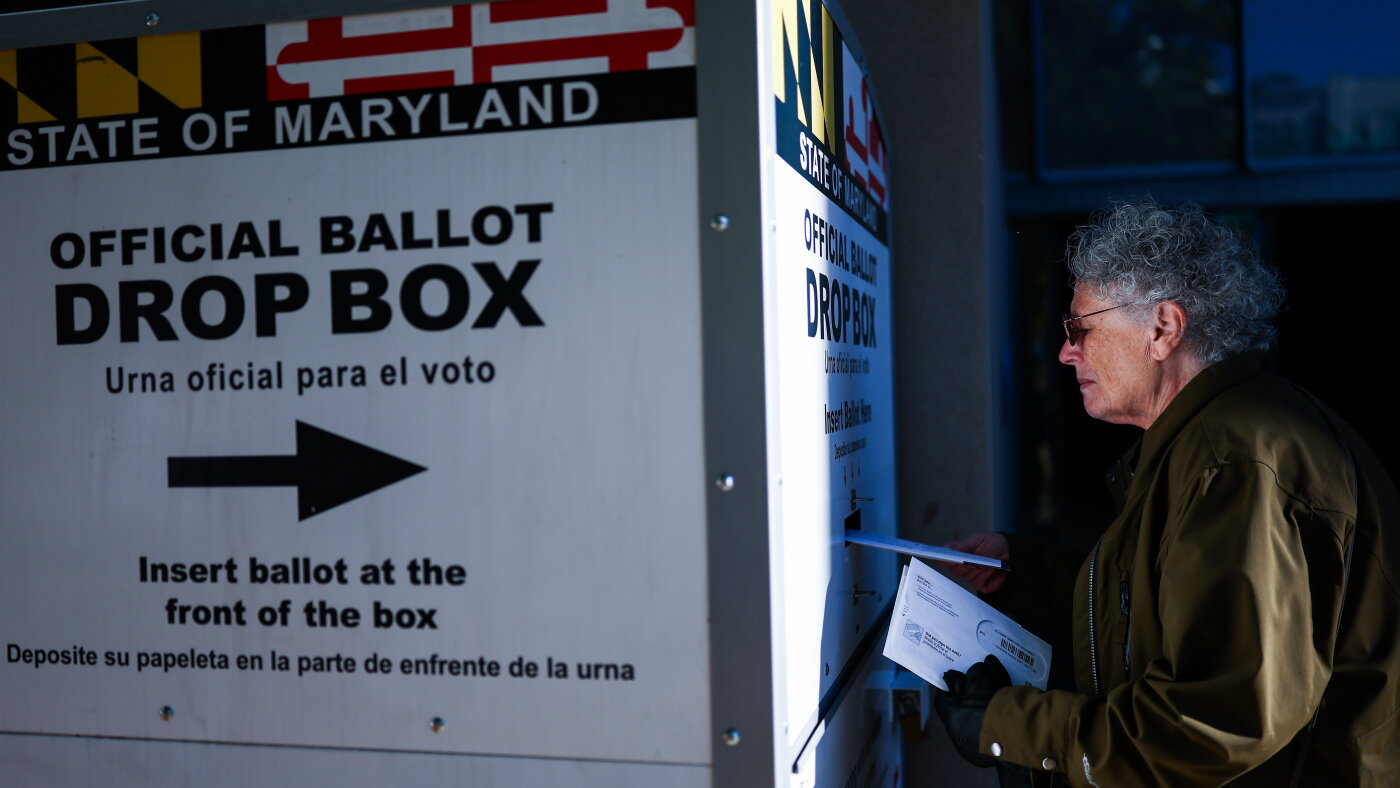
Early Voting Hits 21 Million as Most Trust Midterm Accuracy
Millions have already voted early as parties make final appeals amid $1.4 billion in ad spending; polls show confidence in election accuracy.
The Compass
You just read five takes on one story.
What's your take? Find your political shape in a few minutes.
Take the test