
Trump-Pope Feud Forces US Catholics to Choose Between Politics and Papal Authority

Cover image from chicago.suntimes.com, which was analyzed for this article
US Catholics are torn over President Trump's escalating criticism of Pope Leo XIV, who has taken a forceful stance against the Iran war and administration policies. The first American pope's Africa tour and calls for Christian values clash with Trump's rhetoric, prompting some Trump voters to reject papal influence. The dispute amplifies cultural and political rifts.
PoliticalOS
Saturday, April 18, 2026 — Politics
The Trump-Pope Leo XIV dispute has crystallized a long-simmering tension for American Catholics: how to reconcile political support for tough border, energy and security policies with deference to a pope who views many of those same policies through a seamless moral lens opposing war and exploitation. Polling already shows erosion in Trump's Catholic support, yet the depth of any lasting realignment remains unclear. Readers should recognize this as more than personality conflict; it is a contest over whether religious authority or national interest holds final sway in voters' consciences.
What outlets missed
Most outlets underplayed the specific Iranian actions that preceded U.S. strikes, including threats to close the Strait of Hormuz after a tanker incident and Tehran's nuclear enrichment advances cited by the administration as justification. The consistent ethic of life developed by Cardinal Bernardin, and Pope Leo's direct ties to the Chicago seminary where it was taught, received only glancing treatment outside the Sun-Times letters page despite offering a theological spine for the pope's positions. Coverage also gave short shrift to the fact that Trump's 55 percent Catholic support in 2024 represented a continuation of a decade-long rightward shift among white Catholic voters, a trend that long predates the current pope and survived earlier tensions with Pope Francis. Finally, few stories noted that Leo's anti-war statements align with a consistent papal line on nuclear disarmament dating back months before the current conflict, making Trump's claim that the pope backed Iranian nukes easier to evaluate against the record.
American Catholics Confront Growing Rift with First US Pope over Iran Conflict
The escalating public dispute between President Donald Trump and Pope Leo XIV has exposed deep divisions among American Catholics, many of whom find themselves weighing spiritual loyalty against practical judgments about national security and border policy. The first American pope, born Robert Prevost in Chicago, has used his platform during a high-profile African tour to deliver increasingly sharp rebukes of U.S. actions in the Middle East and immigration enforcement, prompting blunt replies from the president and his supporters.
Pope Leo, who studied at Chicago's Catholic Theological Union in the early 1980s, drew explicitly on the late Cardinal Joseph Bernardin's "consistent ethic of life" in his Palm Sunday remarks at St. Peter's Square. God "does not listen to the prayers of those who wage war," the pope declared, while separately condemning American strikes on Iranian infrastructure as "truly unacceptable." The comments extended a pattern of criticism that began months earlier with pointed statements on U.S. refugee policy. In February, American archbishops issued an unusually direct critique of the administration's immigration measures, signaling institutional friction rare in the church's recent history with Washington.
Trump responded in characteristic fashion. He labeled the 70-year-old pontiff "weak on crime" and "terrible for foreign policy," according to multiple accounts. The president briefly posted on Truth Social an image portraying himself in a Christ-like pose healing the sick before deleting it amid widespread criticism. The exchange has dominated headlines as the pope continues his four-nation African journey, having left Cameroon for Angola on Saturday. In Yaounde, Leo told crowds the world was "being ravaged by a handful of tyrants" and warned against corruption, resource exploitation, and unchecked artificial intelligence. In oil-rich Angola, where Catholics make up more than half the population and poverty remains widespread despite decades of petroleum exports, the pope is expected to press similar themes in meetings with President João Lourenço.
For U.S. Catholics, the feud lands at an already tense intersection of faith and politics. At St. Thomas More Catholic Church in an affluent Atlanta suburb, weekly Bible study groups deliberately avoid partisan talk yet cannot escape the subject. Maryellen Lewicki described one participant who prays regularly that God will replace the president's "hard heart" with one capable of greater love. The congregation leans progressive, consistent with the surrounding community, and shows little sign of revising its dim view of Trump despite the religious imagery he briefly invoked.
Yet data from focus groups of Catholic Trump voters paints a different picture. Conducted by the Bulwark and discussed by Sarah Longwell and Jonathan V. Last, the conversations revealed many participants unmoved by papal criticism. Some viewed the pope's stance on Iran as naive about the threats posed by a regime that has long sponsored terrorism and destabilized the region. Others saw immigration critiques as disconnected from the practical consequences of porous borders, including strain on public resources and rule-of-law concerns long emphasized by Trump. "Nope" was a recurring sentiment when asked if the pope's words would change their political calculus.
This divide is not abstract. The Catholic Church in America has long balanced universal moral teaching with the pluralism of its members. Bernardin's seamless-garment approach sought to unify Catholic social teaching across issues including poverty, war, capital punishment, and migration. Pope Leo, shaped by that Chicago tradition, clearly sees current U.S. policy as violating that ethic. But many lay Catholics, particularly those who voted for Trump in 2024, apply their own moral reasoning informed by lived experience with crime, economic pressure, and foreign threats. They argue that protecting innocent life sometimes requires force against aggressors and that orderly immigration serves the common good rather than undermining it.
The timing amplifies the tension. Leo's Africa visit, following stops in Cameroon where he celebrated Mass with 120,000 people, underscores his emergence as a more assertive global voice. Billboards in Luanda welcomed him as he arrived to address a nation still scarred by civil war and grappling with inequality despite its fossil-fuel wealth. The tour's emphasis on peace and justice dovetails with his Iran commentary but collides with an American electorate that, according to repeated polling, prioritizes energy independence, border security, and deterrence of adversaries.
Church historians note that popes have criticized governments for centuries, yet the current clash carries extra weight because both principals are prominent Americans. Trump won substantial Catholic support in the last election, particularly among working-class and Hispanic voters in key states. That bloc appears largely unmoved by the papal critique, viewing it through the lens of sovereignty and results rather than abstract moral pronouncements issued from Rome or African pulpits.
As the president continues implementing his agenda and the pope presses his moral case from Angola onward, American Catholics are left to navigate the friction. Some will pray for softer hearts in the White House. Others will see prudent strength where the Vatican sees recklessness. The outcome may reveal less about any single policy than about how a diverse faith community reconciles ancient teachings with the concrete demands of governance in a dangerous world. For now, the rift shows no sign of narrowing.
You just read Conservative's take. Want to read what actually happened?
More in Politics

Trump Defends Ramaswamy Ad Using Estranged Mother in Ohio Race
President Trump defended a GOP nominee's ad featuring a Democratic opponent's estranged mother, calling it powerful, while drawing criticism from some Republicans including Ohio Gov. Mike DeWine. The ad has sparked internal GOP tensions ahead of midterms.
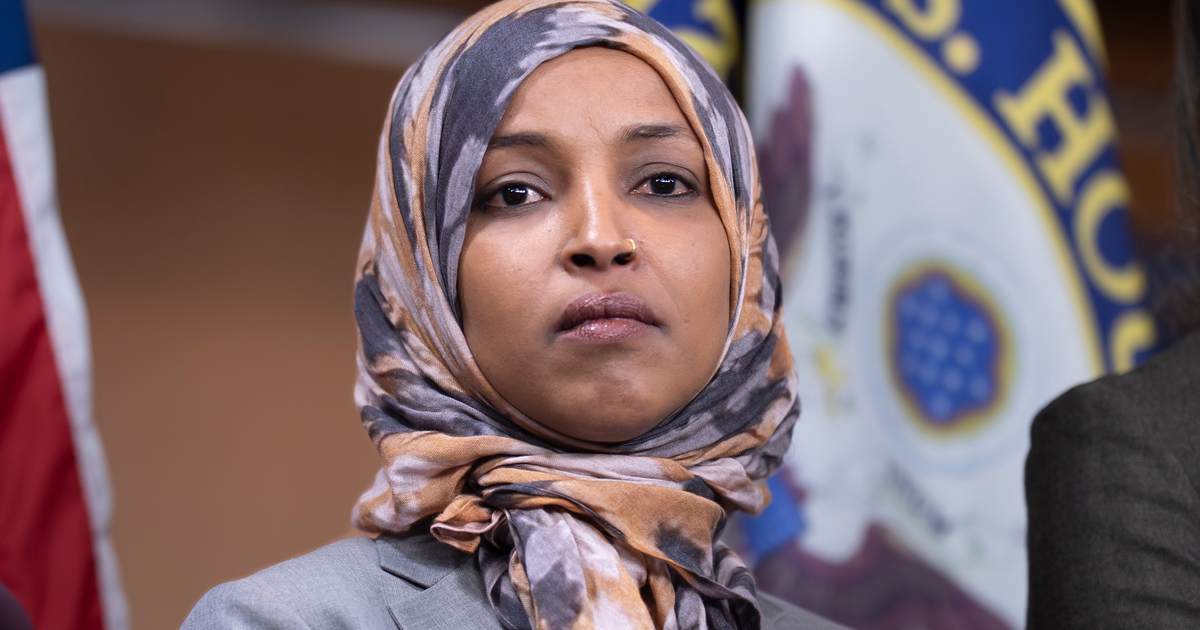
Federal Raid Targets Omar Amid Unresolved Name and Marriage Allegations
Agents searched Rep. Ilhan Omar's DC residence over immigration fraud allegations; she called it bizarre. Reports and commentary questioned her birth name and past marriage details.

Supreme Court Upholds New Hampshire Student ID Voting Ban
The Supreme Court upheld New Hampshire's ban on student IDs as valid voter identification just before midterms, affecting a tight Senate race.
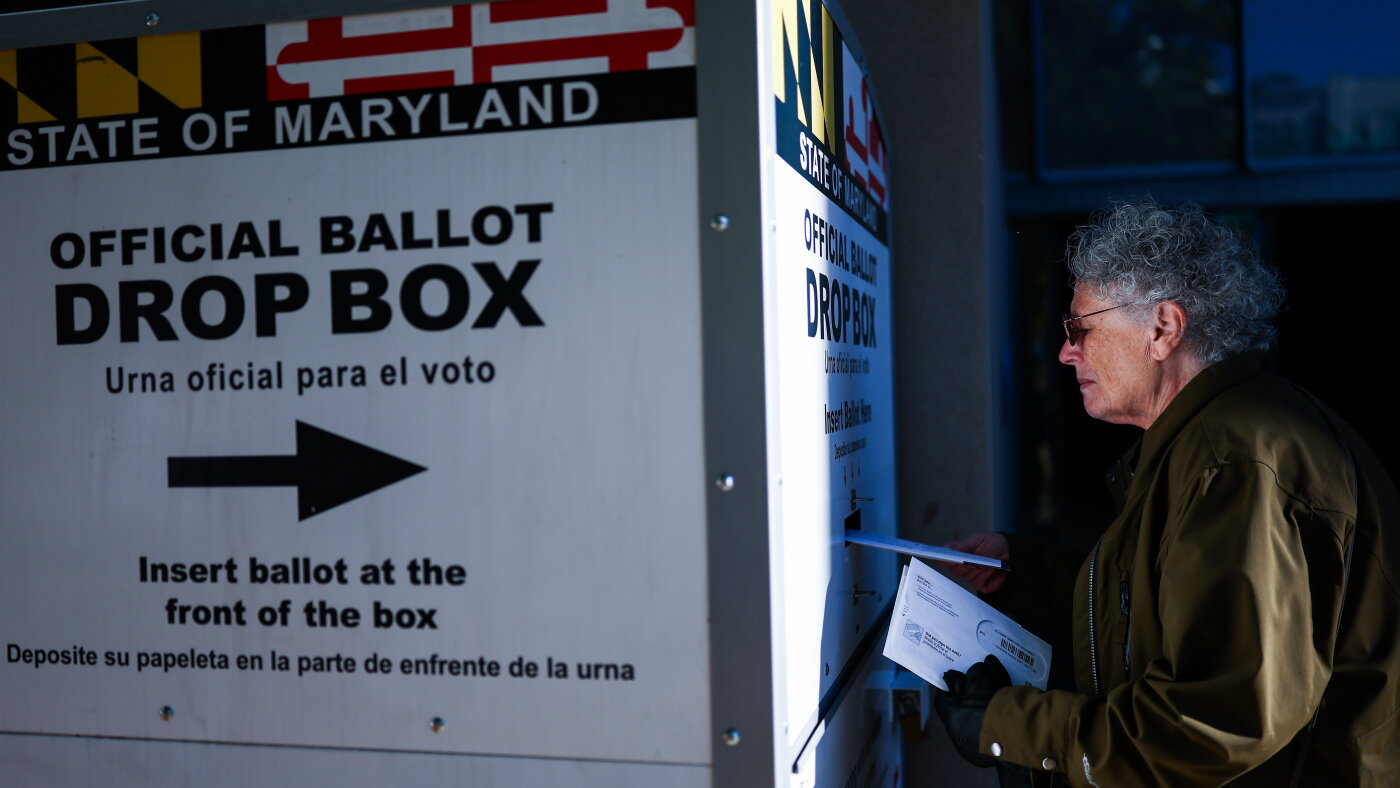
Early Voting Hits 21 Million as Most Trust Midterm Accuracy
Millions have already voted early as parties make final appeals amid $1.4 billion in ad spending; polls show confidence in election accuracy.
The Compass
You just read five takes on one story.
What's your take? Find your political shape in a few minutes.
Take the test