
Trump and Pope Leo Clash Over Moral Critique of Iran War
Cover image from huffpost.com, which was analyzed for this article
Pope Leo's pacifist critique of the US-Iran conflict has ignited backlash from Trump allies accusing him of weakness against threats like Hezbollah and Iran. Left-leaning media spotlight Trump's aggressive tactics, while right-wing outlets defend the strategy against papal interference. The rift underscores divides on military action and religion in foreign policy.
PoliticalOS
Friday, April 17, 2026 — Politics
The Trump-Pope feud reveals an irreconcilable tension between religious calls for peace and the harsh realities of confronting nuclear-seeking regimes that sponsor terrorism. No amount of biblical citation or moral condemnation has yet altered the naval blockade squeezing Iran or the proxy threats that prompted it. Readers should recognize that both sides claim moral ground: one rooted in just-war tradition and national interest, the other in the imperative to prevent escalation and civilian suffering.
What outlets missed
Most coverage omitted the full timeline showing Pope Leo's statements on religious manipulation preceded Trump's Truth Social attacks, framing the president as the instigator rather than respondent. Details on U.S. military results, including a 90 percent reduction in Iranian missile launches and a one-to-two-year setback to its nuclear program per Pentagon assessments, appeared sporadically and were downplayed in entertainment-driven reporting. The Catholic just-war tradition, which permits defensive force under strict conditions, received almost no attention despite directly relating to the Pope's authority on the issue. Finally, verifiable economic impacts of the naval blockade, such as Iran's inability to pay Hezbollah and other militias, were rarely juxtaposed with papal calls for peace, leaving readers without the material stakes of the debate.
Trump Administration Presses Iran Blockade as Pope Leo Criticism Roils Debate on Faith and Force
The Trump administration’s naval blockade of Iranian ports has tightened economic pressure on Tehran following the collapse of talks in Islamabad, even as Pope Leo XIV’s public doubts about the conflict have been seized upon by critics and amplified across major news outlets. The pontiff’s statement that God “does not bless any conflict and certainly doesn’t side with those who drop bombs” has become a focal point in coverage of the war, prompting sharp responses from conservatives who argue the view overlooks both scriptural precedent and historical outcomes.
Fox News host Sean Hannity used his radio program and television show to challenge the pope directly. Citing his own Catholic education, study of Latin and theology, Hannity offered to travel to the Vatican for an interview. He described the pope’s remarks as selective moral outrage and argued they were “simply not biblically accurate.” The Bible, Hannity noted, contains more than 400 references to war, including explicit accounts of God authorizing or intervening in battles. The story of David and Goliath, he said, stands as one clear example. Hannity asked why the criticism appeared aimed only at the United States and President Trump, suggesting the pope seemed more focused on left-wing politics than the full range of Christian teaching.
That pushback aligns with a broader conservative argument that blanket declarations against war ignore uncomfortable realities. In a column for the New York Post, Rich Lowry noted that while warfare is always tragic, it has repeatedly settled fundamental questions about borders, governance, and the survival of cultures. Lowry pointed to the Battle of Milvian Bridge in 312, which opened the way for Constantine’s conversion and the eventual spread of Christianity. He also cited the Spanish Reconquista that ended Muslim rule in Granada in 1492 and the 1683 defense of Vienna that halted Ottoman expansion into Europe. These conflicts, Lowry wrote, produced outcomes that shaped the religious map of the world for centuries. The notion that war “does not solve problems,” he argued, collapses under historical scrutiny.
National Review detailed the administration’s current approach. After envoys including Vice President JD Vance, Steve Witkoff, and Jared Kushner failed to reach an agreement with Iranian representatives in Pakistan, Trump deployed naval forces to the Strait of Hormuz and imposed a blockade on Iranian oil exports. The goal is to starve the regime of revenue used to pay proxy militias and sustain its nuclear program. Tehran’s limited refining capacity and dependence on port access leave it vulnerable. The administration calculates that Iran will run out of money and storage options before the United States exhausts its staying power, though rising global energy prices have added strain on Western economies.
Media treatment of the pope’s comments has drawn its own scrutiny. Townhall columnist Tim Graham observed that television networks eagerly enlist religious authority when it aligns with progressive positions on poverty, pollution, or criticism of Western military action. The same outlets tend to ignore or downplay papal statements on abortion, gender ideology, radical Islam, or the persecution of Christians in Africa and the Middle East. CBS’s “60 Minutes” segment featuring three American cardinals critical of Trump was presented as surprising candor, yet Graham noted the participants had already coordinated open letters. The pattern, he wrote, suggests selective use of moral language to advance a political narrative rather than a consistent application of doctrine.
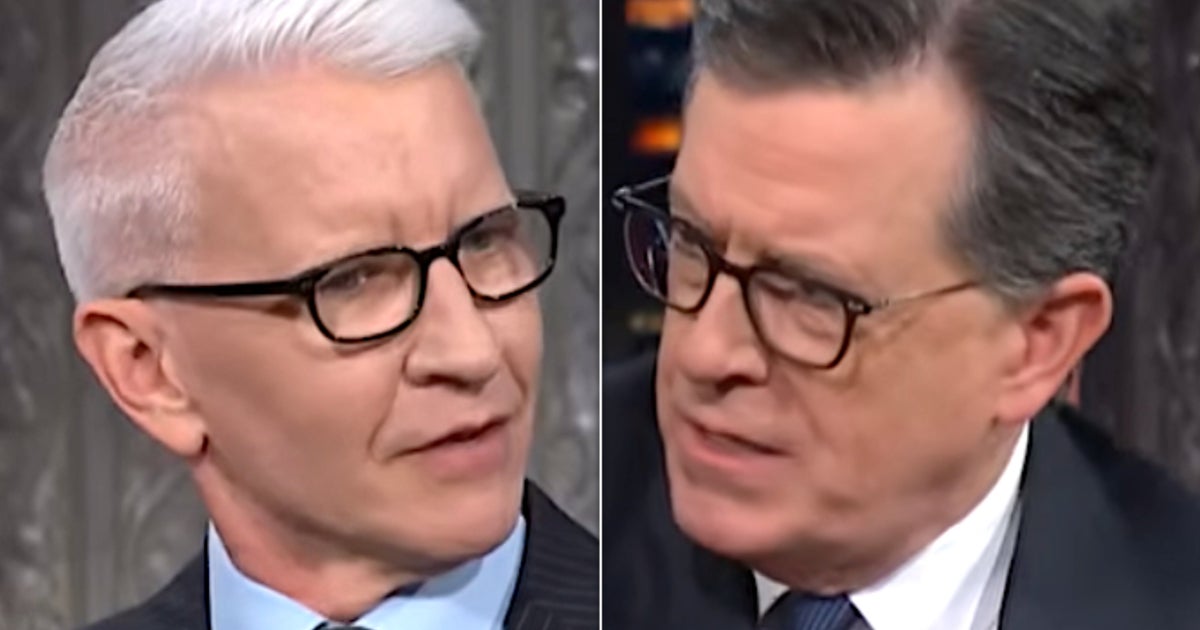
Not all coverage has been supportive of the administration. A Los Angeles Times contributor argued that Trump’s customary mix of threats, spin, and deal-making has met resistance both from a determined Iranian regime and from the moral platform of the papacy. On “The Late Show,” CNN’s Anderson Cooper remarked that complex nuclear agreements cannot be negotiated “on the fly on a golf course,” a reference to the president’s continued visits to his Florida property. By late March the second-term golf tally had reached 110 days, according to tracking reports. Cooper also described a “fog of war” that appeared to originate from the White House itself. Stephen Colbert quipped that the situation had become a “fog of peace” given Trump’s multiple declarations of victory.
These criticisms reflect a longstanding tension between those who view military force as inherently suspect and those who see it as a tragic but sometimes unavoidable tool for preserving order and deterring greater evils. Pope Leo’s Angelus address last year, which stated that war only amplifies problems and leaves wounds across generations, echoes sentiments long expressed by pacifist organizations such as Code Pink. Yet both Lowry and Hannity contend that such statements risk reducing complex moral reasoning about just war, proportionality, and legitimate authority to a simplistic slogan.
The current standoff tests whether sustained economic pressure and naval presence can force Iran to abandon its nuclear ambitions without a full-scale invasion. Administration officials maintain that preventing a nuclear theocracy in the Middle East justifies the costs. They note that Trump withdrew from the Obama-era nuclear deal precisely because it failed to deliver permanent restraints. Whether the blockade succeeds will depend on variables familiar to any student of conflict: endurance, leverage, and the willingness of other powers to enforce sanctions.
For now, the public argument between the president and the pope has sharpened focus on an older question: whether religious leaders should offer broad moral pronouncements on strategy or confine themselves to principles while leaving the application to those accountable for outcomes. Hannity’s challenge to debate the pope on biblical grounds has crystallized that divide. The answer may ultimately rest less on rhetoric than on whether Iran’s regime bends or breaks under the pressure now being applied.
You just read Conservative's take. Want to read what actually happened?
More in Politics

Trump at 32% Approval as Gas Prices Test GOP Midterm Hopes
NYT/Siena polling showed Trump's approval at historic lows around 32 percent with Democrats leading by double digits in key districts. Early voting has surged in battleground states.

Record Early Voting Hits Battlegrounds, Shifting Partisan Shares
AP analysis found hundreds of thousands more early ballots than in 2022 in states including Texas, Ohio, Kansas, Maine, and North Carolina, shifting partisan dynamics.

Trump Backs Marshall in Kansas Senate Race Tightened by Farm Costs
President Trump rallied in deep-red Kansas for GOP Sen. Roger Marshall in a competitive race, announcing an $8 billion farm fuel relief program amid high diesel prices. Democrats see an opening to end 94 years of GOP dominance in the state.

Trump Pauses Russia Sanctions Amid Ukraine Tensions and Missile Strikes
Trump waived sanctions on Russia and floated trilateral talks with Putin and Xi as part of ending the Ukraine war, while tensions rose with Zelenskyy over Starlink and arms. Bipartisan senators engaged Zelenskyy amid the shifts.
The Compass
You just read five takes on one story.
What's your take? Find your political shape in a few minutes.
Take the test