
Trump and Pope Leo Clash Over Moral Critique of Iran War
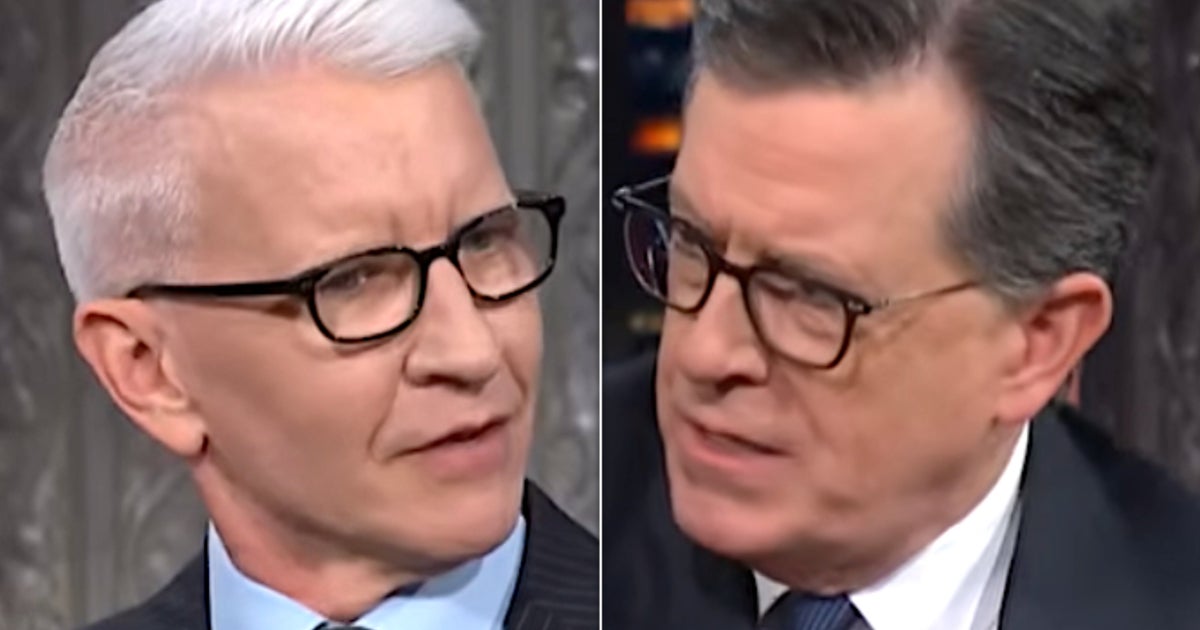
Cover image from huffpost.com, which was analyzed for this article
Pope Leo's pacifist critique of the US-Iran conflict has ignited backlash from Trump allies accusing him of weakness against threats like Hezbollah and Iran. Left-leaning media spotlight Trump's aggressive tactics, while right-wing outlets defend the strategy against papal interference. The rift underscores divides on military action and religion in foreign policy.
PoliticalOS
Friday, April 17, 2026 — Politics
The Trump-Pope feud reveals an irreconcilable tension between religious calls for peace and the harsh realities of confronting nuclear-seeking regimes that sponsor terrorism. No amount of biblical citation or moral condemnation has yet altered the naval blockade squeezing Iran or the proxy threats that prompted it. Readers should recognize that both sides claim moral ground: one rooted in just-war tradition and national interest, the other in the imperative to prevent escalation and civilian suffering.
What outlets missed
Most coverage omitted the full timeline showing Pope Leo's statements on religious manipulation preceded Trump's Truth Social attacks, framing the president as the instigator rather than respondent. Details on U.S. military results, including a 90 percent reduction in Iranian missile launches and a one-to-two-year setback to its nuclear program per Pentagon assessments, appeared sporadically and were downplayed in entertainment-driven reporting. The Catholic just-war tradition, which permits defensive force under strict conditions, received almost no attention despite directly relating to the Pope's authority on the issue. Finally, verifiable economic impacts of the naval blockade, such as Iran's inability to pay Hezbollah and other militias, were rarely juxtaposed with papal calls for peace, leaving readers without the material stakes of the debate.
Trump's Feud With the Pope Reveals the Limits of Transactional Power
President Donald Trump's second-term foreign policy, built on the premise that every adversary has a price and every problem yields to pressure, has encountered an unexpected form of resistance in Pope Leo XIV. The first American pope's moral critique of the U.S.-Iran war has triggered a sharp conservative backlash, exposing deeper tensions between the president's deal-making instincts and institutions that operate on different foundations.
The conflict stems from Trump's military campaign against Iran, which began with airstrikes and escalated into a naval blockade of Iranian ports after talks in Islamabad collapsed. Vice President JD Vance, along with envoys Steve Witkoff and Jared Kushner, attempted negotiations, but the administration walked away, opting instead for shows of force including warships in the Strait of Hormuz. Trump has declared victory multiple times, yet metrics for success remain vague. Oil flows are disrupted, Iran's economy is squeezed, and global markets are feeling the strain. Taxpayers, meanwhile, continue funding the president's frequent golf trips, including more than 100 days on courses since taking office, even as the war risks broader economic fallout.
Pope Leo entered the fray with a statement rooted in Catholic teaching on the sanctity of life and the futility of endless violence. "God does not bless any conflict and certainly doesn’t side with those who drop bombs," he said. The remarks did not name Trump but clearly targeted the decision to initiate and prolong hostilities. For a president who has spent decades treating every contest as a negotiation, the pope represents something unfamiliar: an actor who cannot be bought, intimidated, or spun into alignment.
That unfamiliarity has produced an uncharacteristic response. On his radio program and Fox News show, Sean Hannity accused the pope of "selective moral outrage" and "spreading left-wing politics" rather than the teachings of Jesus Christ. Hannity, who offered to personally interview the pontiff on the grounds that he studied Latin and attended Catholic school, argued that the Bible contains over 400 references to war, including God's role in battles such as David and Goliath. The implication was that Pope Leo was twisting scripture to target Trump specifically, behaving more like a "Trump-hating Democrat" than a spiritual leader.
This line of attack has been echoed across conservative media. Outlets like National Review and the New York Post have defended the strategic necessity of confronting Iran, noting that history is filled with conflicts that resolved fundamental questions of power, territory, and ideology. The New York Post reminded readers that war has sometimes advanced even religious causes, citing Constantine's victory at the Milvian Bridge and the Reconquista in Spain. These pieces portray the pope's pacifism as simplistic, akin to the slogans of anti-war groups like Code Pink, and argue that responsible statecraft sometimes requires force.
Liberal-leaning coverage has taken the opposite tack, often with a tone of schadenfreude. Anderson Cooper, appearing on "The Late Show with Stephen Colbert," mocked the administration's approach, noting that nuclear deals cannot be hammered out "on the fly on a golf course." He described a "fog of war" that seems to emanate from the White House itself. The Los Angeles Times suggested that Trump's "empty bluster" had finally met its match, contrasting the president's past successes in bending institutions with his struggles against both Iranian resolve and papal moral authority.
The media dynamics are themselves revealing. Outlets that once criticized the Catholic Church on issues like abortion or clerical abuse have embraced the pope's words as carrying unique legitimacy when they align with anti-Trump sentiment. Conservative commentators, conversely, now find themselves questioning a pope who, on other subjects such as poverty or climate, might have drawn their ire. Both sides appear to be using religious authority instrumentally, a pattern that risks further eroding public trust in both faith and journalism.
What makes this episode striking is not merely the novelty of an American president publicly feuding with an American pope. It is the collision of worldviews. Trump's approach assumes that reality is negotiable, that leverage, money, or threats can move any player. The pope, and the tradition he represents, insists that some truths, particularly moral ones about the dignity of human life and the long-term costs of violence, stand outside transactional logic. Wars, the pontiff has noted in earlier remarks, do not solve problems so much as amplify them, leaving wounds that last for generations.
This is not the first time institutional resistance has surprised the Trump administration. Efforts to co-opt technology companies, universities, and media have met with mixed results. The Iran campaign was supposed to be simpler: apply maximum pressure, force a better deal than Obama's, and move on. Instead, the conflict grinds forward with unclear endpoints while the White House battles a moral critique it cannot simply tweet away or negotiate down.
As the blockade tightens and diplomatic channels remain strained, the pope's intervention may not alter military calculations in Tehran or Washington. But it has clarified something larger about the character of power in this moment. Not every adversary can be assimilated. Some, rooted in centuries of theological and ethical reasoning, will continue to speak in registers that bluster cannot answer. For an administration that has thrived on dominating every news cycle and bending every norm, that stubborn independence represents a different kind of challenge, one measured not in leverage but in legitimacy.
You just read Liberal's take. Want to read what actually happened?
More in Politics

Trump Defends Ramaswamy Ad Using Estranged Mother in Ohio Race
President Trump defended a GOP nominee's ad featuring a Democratic opponent's estranged mother, calling it powerful, while drawing criticism from some Republicans including Ohio Gov. Mike DeWine. The ad has sparked internal GOP tensions ahead of midterms.
Federal Raid Targets Omar Amid Unresolved Name and Marriage Allegations
Agents searched Rep. Ilhan Omar's DC residence over immigration fraud allegations; she called it bizarre. Reports and commentary questioned her birth name and past marriage details.

Supreme Court Upholds New Hampshire Student ID Voting Ban
The Supreme Court upheld New Hampshire's ban on student IDs as valid voter identification just before midterms, affecting a tight Senate race.
Early Voting Hits 21 Million as Most Trust Midterm Accuracy
Millions have already voted early as parties make final appeals amid $1.4 billion in ad spending; polls show confidence in election accuracy.
The Compass
You just read five takes on one story.
What's your take? Find your political shape in a few minutes.
Take the test