
Trump and Pope Leo Clash Over Moral Critique of Iran War
Cover image from huffpost.com, which was analyzed for this article
Pope Leo's pacifist critique of the US-Iran conflict has ignited backlash from Trump allies accusing him of weakness against threats like Hezbollah and Iran. Left-leaning media spotlight Trump's aggressive tactics, while right-wing outlets defend the strategy against papal interference. The rift underscores divides on military action and religion in foreign policy.
PoliticalOS
Friday, April 17, 2026 — Politics
The Trump-Pope feud reveals an irreconcilable tension between religious calls for peace and the harsh realities of confronting nuclear-seeking regimes that sponsor terrorism. No amount of biblical citation or moral condemnation has yet altered the naval blockade squeezing Iran or the proxy threats that prompted it. Readers should recognize that both sides claim moral ground: one rooted in just-war tradition and national interest, the other in the imperative to prevent escalation and civilian suffering.
What outlets missed
Most coverage omitted the full timeline showing Pope Leo's statements on religious manipulation preceded Trump's Truth Social attacks, framing the president as the instigator rather than respondent. Details on U.S. military results, including a 90 percent reduction in Iranian missile launches and a one-to-two-year setback to its nuclear program per Pentagon assessments, appeared sporadically and were downplayed in entertainment-driven reporting. The Catholic just-war tradition, which permits defensive force under strict conditions, received almost no attention despite directly relating to the Pope's authority on the issue. Finally, verifiable economic impacts of the naval blockade, such as Iran's inability to pay Hezbollah and other militias, were rarely juxtaposed with papal calls for peace, leaving readers without the material stakes of the debate.
Hannity's Bid to Lecture the Pope on War and Scripture Draws Fierce Criticism
President Donald Trump's escalating military campaign against Iran has sparked an unusually public theological and moral clash with Pope Leo XIV, with the president's most vocal defender, Sean Hannity, attempting to school the pontiff on the Bible only to face widespread ridicule for what critics called a selective and self-serving reading of scripture.
The dispute centers on the American-born pope's repeated emphasis that "God does not bless any conflict and certainly doesn’t side with those who drop bombs." That statement, delivered during an Angelus address and echoed in subsequent remarks, directly challenges the moral foundation of Trump's decision to re-engage in open conflict with Tehran after withdrawing from the Obama-era nuclear agreement. Trump has responded with characteristic fury, while his administration has pursued a strategy of naval blockades, deployment of warships to the Strait of Hormuz, and high-stakes but ultimately unsuccessful talks in Islamabad involving Vice President JD Vance, Jared Kushner and Steve Witkoff.
On his radio program and Fox News show Thursday, Hannity accused the pope of "selective moral outrage" and of "seemingly enjoying this public fight with Donald Trump." He offered to personally travel to interview the pontiff, declaring himself "uniquely qualified" because he attended Catholic school for 12 years and studied Latin and theology. The host claimed Pope Leo was "more interested in spreading left-wing politics than the actual teachings of Jesus Christ" and insisted the pope's words were "simply not biblically accurate" because scripture contains "over 400 references to war," including God's role in the battle between David and Goliath.
The argument landed poorly. Religious scholars and online commentators immediately noted that Hannity's citation ignored the profound shift in the New Testament, where Jesus instructs followers to love their enemies, turn the other cheek, and pursue peace. Catholic tradition, while allowing for just war theory under strict conditions, has long prioritized the preservation of human life and the pursuit of diplomacy. Critics pointed out that cherry-picking Old Testament battle scenes to justify modern bombing campaigns is precisely the kind of politicized scriptural twisting Hannity accused the pope of committing. The backlash was swift, with social media users mocking the idea that a cable news host who regularly platforms conspiracy theories should be the one catechizing the successor of St. Peter.
The pope's stance carries particular weight coming from the first American to hold the office. Leo XIV has refused to exempt the United States from moral scrutiny, treating Trump's war as part of a broader pattern of powerful nations resorting to violence rather than addressing root causes. His words align with centuries of papal teaching on peace, from Benedict XV's opposition to World War I through John Paul II's condemnation of the 2003 Iraq invasion. Conservative outlets such as National Review and the New York Post have pushed back, arguing that war has historically resolved disputes, redrawn maps, and even advanced Christianity itself, citing Constantine's victory at the Milvian Bridge and the Reconquista. They accuse mainstream media of selectively amplifying the pope only when his statements align with progressive causes while ignoring his criticisms of radical Islam or Christian persecution in Africa.
Yet even some conservative voices have begun to acknowledge that Trump's usual playbook of bluster, threats and personal deal-making is hitting limits. A Los Angeles Times contributor noted that while the president successfully bullied domestic institutions, tech companies and even certain foreign leaders in his second term, neither Iran nor the pope appear susceptible to the same tactics. Tehran continues to resist despite a tightening naval blockade that is squeezing its oil exports and ability to fund proxy militias. The global economy is feeling the strain, with oil prices rising and fears of wider conflict growing.
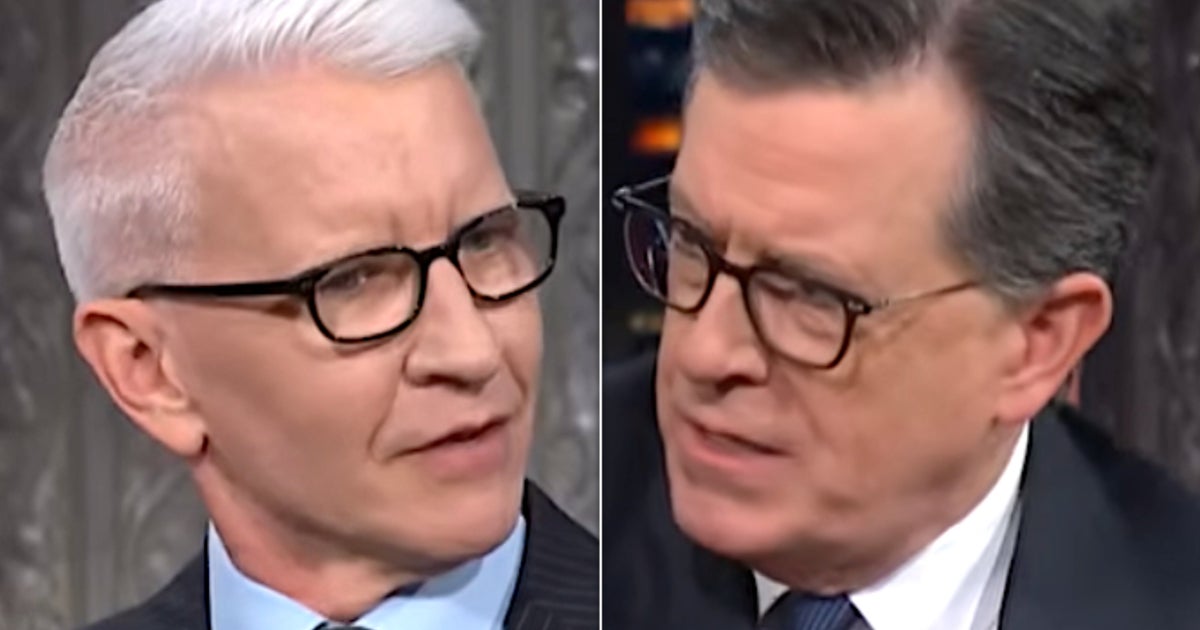
Meanwhile, the disconnect between the administration's public triumphalism and the reality on the ground drew sharp commentary from CNN's Anderson Cooper during an appearance on Stephen Colbert's show. Cooper observed that complex nuclear negotiations cannot be "done on the fly on a golf course," a reference to Trump's frequent visits to his West Palm Beach resort. By late March the president had already made 56 trips there in his second term, with taxpayer costs for his golf habit on track to reach $300 million. Cooper highlighted the "fog of war" that seems to emanate from the White House itself, noting the administration's unclear metrics for success even as Trump has claimed victory on multiple occasions. Colbert quipped that perhaps this was the "fog of peace."
The episode reveals deeper fractures. Trump's supporters view the pope's intervention as unwarranted political meddling. Others see a rare moment of moral clarity from a religious leader willing to speak truth to power, even at the risk of becoming a partisan football. For all of Hannity's professed theological expertise, his performance Thursday underscored a simpler truth: when a pontiff reminds the world that dropping bombs on fellow human beings carries profound spiritual consequences, citing Bible chapter and verse to defend the practice rarely convinces anyone beyond the already converted.
As the blockade tightens and the body count rises, Pope Leo's insistence that God does not take sides in such conflicts lands as both ancient doctrine and urgent warning. Whether the president and his allies are capable of hearing it is another matter entirely.
You just read Progressive's take. Want to read what actually happened?
More in Politics

Trump Defends Ramaswamy Ad Using Estranged Mother in Ohio Race
President Trump defended a GOP nominee's ad featuring a Democratic opponent's estranged mother, calling it powerful, while drawing criticism from some Republicans including Ohio Gov. Mike DeWine. The ad has sparked internal GOP tensions ahead of midterms.
Federal Raid Targets Omar Amid Unresolved Name and Marriage Allegations
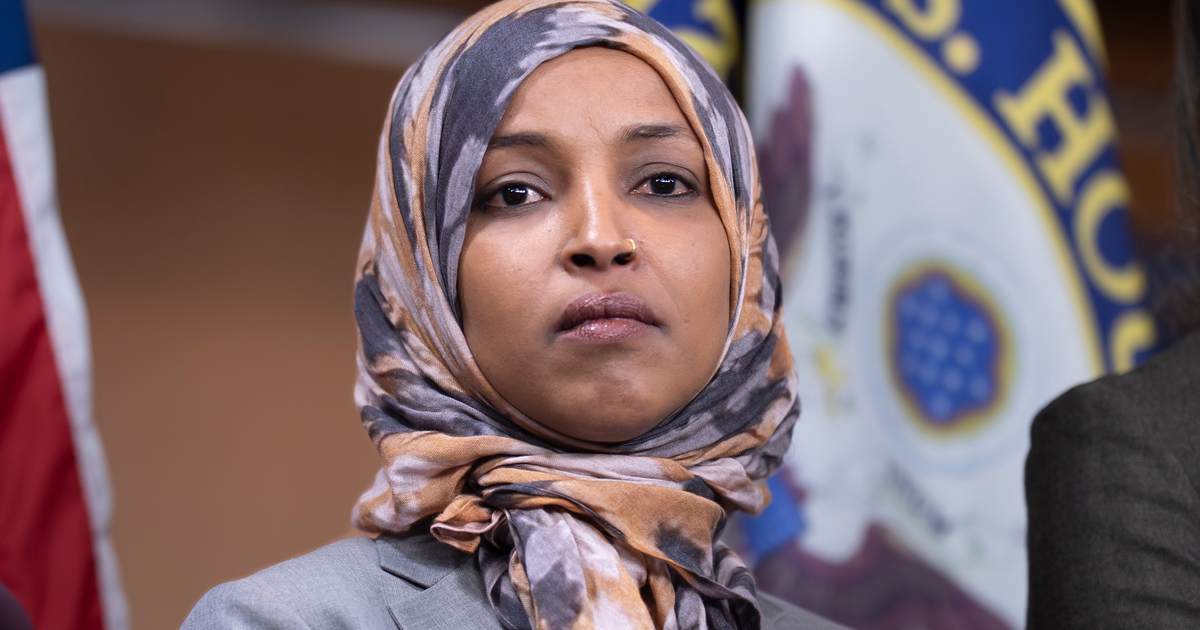
Agents searched Rep. Ilhan Omar's DC residence over immigration fraud allegations; she called it bizarre. Reports and commentary questioned her birth name and past marriage details.

Supreme Court Upholds New Hampshire Student ID Voting Ban
The Supreme Court upheld New Hampshire's ban on student IDs as valid voter identification just before midterms, affecting a tight Senate race.
Early Voting Hits 21 Million as Most Trust Midterm Accuracy
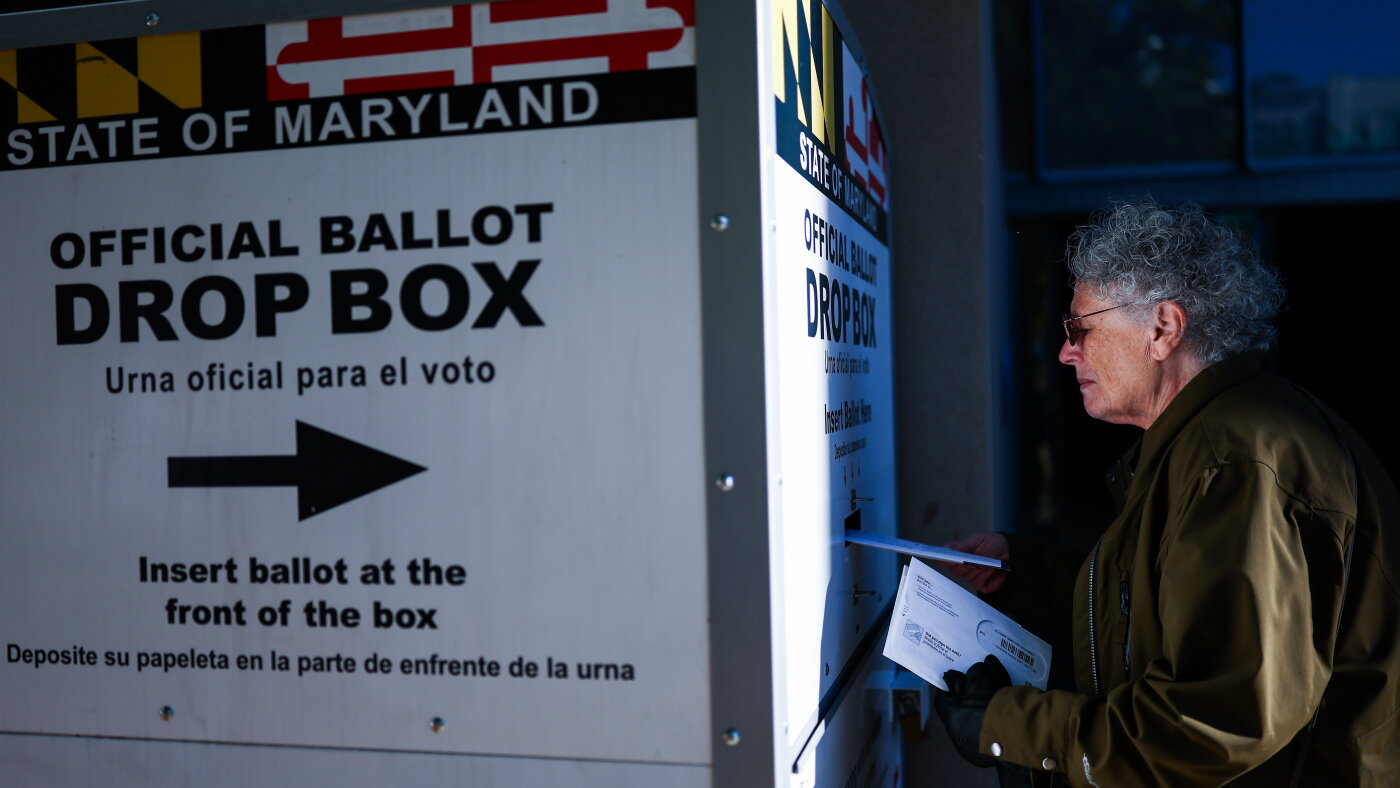
Millions have already voted early as parties make final appeals amid $1.4 billion in ad spending; polls show confidence in election accuracy.
The Compass
You just read five takes on one story.
What's your take? Find your political shape in a few minutes.
Take the test