
Trump Endorsements Oust 5 Indiana GOP Senators, Ramaswamy Wins Ohio Primary
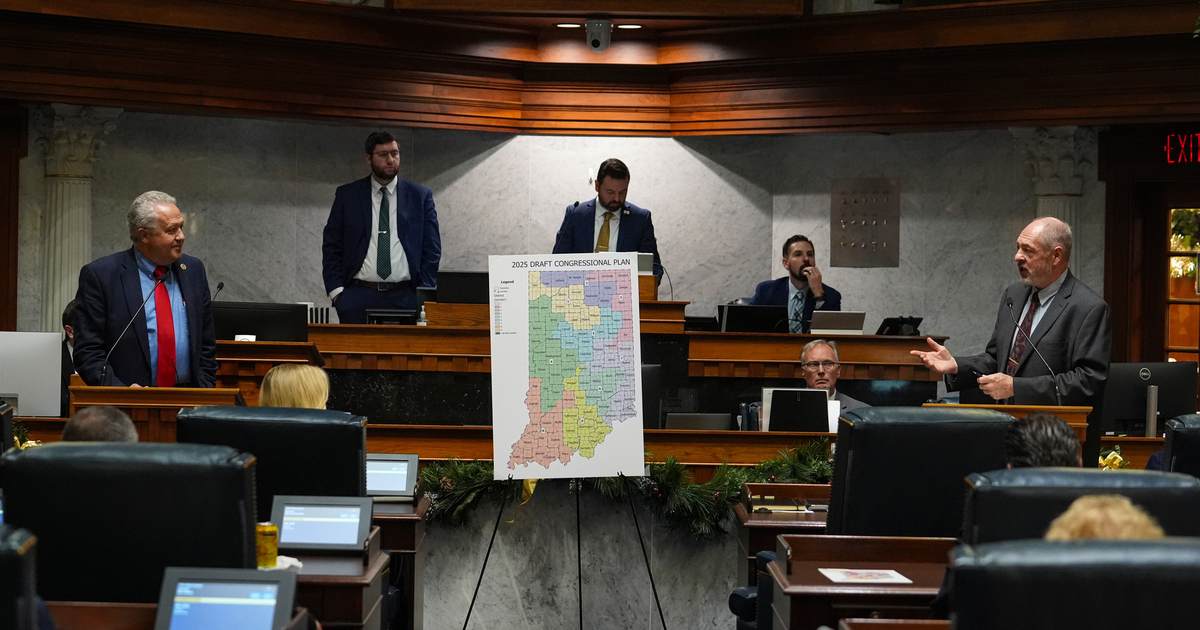
Cover image from redstate.com, which was analyzed for this article
Trump-endorsed challengers ousted five Indiana GOP state senators opposing his redistricting stance, while Vivek Ramaswamy won the Ohio governor Republican primary. The victories underscore Trump's strong hold on the GOP base ahead of midterms. Democratic turnout showed enthusiasm in Ohio.
PoliticalOS
Wednesday, May 6, 2026 — Politics
Trump's endorsements proved decisive in ousting five of seven targeted Indiana Republican state senators who blocked his mid-decade redistricting plan, reinforcing his hold on the party base ahead of midterms. Heavy spending by allies and procedural disputes over when maps can legally change formed key backdrop details often underplayed. The landslide win by Vivek Ramaswamy in Ohio further signals alignment with Trump's wing of the GOP, though general election dynamics against energized Democrats remain unresolved.
What outlets missed
Most outlets underplayed the legal argument cited by Indiana incumbents: state law generally restricts redistricting to the decennial census cycle, a point raised by more than 20 GOP senators who joined Democrats in the December 2025 rejection. The $8.3 million spent by Trump allies and allied super PACs received inconsistent attention, as did the fact that a non-endorsed challenger also defeated an incumbent who opposed redistricting. Details on Ramaswamy's $25 million self-loan and the full Ohio Democratic primary context, including Acton's unopposed path and Brown's separate Senate win, were often minimized or separated from the Trump narrative. Bomb threats reported against some Indiana senators before the redistricting vote appeared in only a subset of coverage and could not be independently verified across all sources.
Trump Allies Prevail in Midwest Primaries as Voters Reject Establishment Resistance
Vivek Ramaswamy, the health technology entrepreneur and vocal critic of corporate progressivism, won the Republican nomination for Ohio governor on Tuesday, advancing to a general election against Democrat Amy Acton. The result formed part of a broader night in which Republican voters in Ohio and Indiana delivered strong support to candidates aligned with President Donald Trump, demonstrating the party's continued preference for outsiders who emphasize economic growth, institutional reform, and resistance to entrenched political habits.
Ramaswamy defeated Casey Putsch, a political newcomer known online as "Casey the Car Guy," in the GOP primary. Projected results showed a clear victory for Ramaswamy, who gained national attention during his 2024 presidential bid despite running against Trump. The two later aligned, with Ramaswamy earning an early endorsement from the president for the governor's race. Trump praised him on social media as "Young, Strong, and Smart," someone he knows well from their earlier competition. Ramaswamy had briefly joined Elon Musk in efforts to streamline federal operations before stepping aside to focus on Ohio.
At his victory gathering, Ramaswamy told supporters his goal was straightforward: to "leave this state and this country better than we found it." The 40-year-old businessman built his political profile on arguments against bureaucratic overreach and cultural trends he has described as divisive, themes that resonate with voters skeptical of expanding government. His background as a founder in the biotech sector stands in contrast to career politicians, offering a profile that echoes long-standing conservative arguments for applying market discipline to public affairs.
Acton, who ran unopposed for the Democratic nomination, served as Ohio's public health director during the coronavirus pandemic. She told supporters she aims to make the state more affordable and to "put working families first." The general election matchup will test competing visions for addressing Ohio's economic pressures, including housing costs and job opportunities in a state that has seen manufacturing shifts and policy debates over regulation.
The Ohio results unfolded alongside a sharper contest in Indiana, where Trump directly intervened in Republican state Senate primaries. Seven incumbent senators who voted against the president's push to redraw congressional maps last year faced challengers he endorsed. At least five of those challengers appeared headed for victory as results came in late Tuesday, with near-complete precinct reporting confirming the pattern. The losses included Sen. Travis Holdman and others who had blocked the redistricting plan intended to better reflect the state's Republican voting patterns.
Trump celebrated the outcomes on social media, reposting images of the winners and headlines from Indiana outlets. Sen. Jim Banks, a Republican from the state, described it as a "Big night for MAGA in Indiana" and credited the results with electing "more conservative Republicans to the Indiana State Senate." Allies of the president invested more than $8 million in the races, an unusual sum for state legislative contests that underscored the national stakes.
Analysts viewed Indiana as a measuring stick for Trump's hold on the party ahead of November's midterm elections. The redistricting dispute centered on proposals to adjust maps in a manner that proponents said would align districts more closely with voter preferences in a state that has consistently supported Republican candidates at the federal level. Opponents of the changes argued procedural and representational concerns. Voters, however, delivered a verdict that removed several of the blockers, sending a signal that resistance to the president's priorities carries political risk even in safe Republican territory.
One defeated incumbent, Holdman, accepted the result with equanimity. "I did what my constituents asked me to do and it cost me my job," he said after facing more than $1 million in advertising from groups tied to Trump allies. Other Trump-endorsed winners included Trevor De Vries, Blake Fiechter, and Michelle Davis, who prevailed in districts ranging from rural northeastern Indiana to other conservative strongholds.
The primaries also featured other notable advances. Former Sen. Sherrod Brown secured the Democratic nomination for an open U.S. Senate seat in Ohio, setting up a contest against Republican Sen. Jon Husted. That race is expected to draw significant national attention as both parties fight for Senate control.
Taken together, the results in these two Midwestern states illustrate a consistent theme: Republican primary voters continue to favor figures who present themselves as disruptors rather than defenders of the status quo. Ramaswamy's entrepreneurial background and emphasis on improving outcomes through innovation fit within a tradition that values individual initiative over administrative expansion. In Indiana, the rejection of incumbents who opposed map adjustments reflected a preference for representation that tracks electoral reality rather than legislative inertia.
The outcomes arrive months after Ramaswamy stepped back from federal efficiency efforts to focus on state leadership. His campaign has stressed practical steps to enhance opportunity in Ohio, including reducing regulatory burdens that can hinder business formation and family economic security. Acton, by contrast, centered her message on government intervention to address affordability, drawing on her public health experience.
As November approaches, these primaries suggest that Trump's influence remains a potent force in shaping Republican tickets, particularly in the industrial heartland. The voters' choices indicate a continued appetite for candidates who question expansive government and prioritize measurable results over institutional loyalty. Whether that momentum carries through to the general election will depend on how effectively both parties address the practical concerns of working households in states still navigating post-pandemic economic adjustments and long-term demographic shifts.
You just read Conservative's take. Want to read what actually happened?
More in Politics
Trump at 32% Approval as Gas Prices Test GOP Midterm Hopes
NYT/Siena polling showed Trump's approval at historic lows around 32 percent with Democrats leading by double digits in key districts. Early voting has surged in battleground states.

Record Early Voting Hits Battlegrounds, Shifting Partisan Shares
AP analysis found hundreds of thousands more early ballots than in 2022 in states including Texas, Ohio, Kansas, Maine, and North Carolina, shifting partisan dynamics.
Trump Backs Marshall in Kansas Senate Race Tightened by Farm Costs
President Trump rallied in deep-red Kansas for GOP Sen. Roger Marshall in a competitive race, announcing an $8 billion farm fuel relief program amid high diesel prices. Democrats see an opening to end 94 years of GOP dominance in the state.

Trump Pauses Russia Sanctions Amid Ukraine Tensions and Missile Strikes
Trump waived sanctions on Russia and floated trilateral talks with Putin and Xi as part of ending the Ukraine war, while tensions rose with Zelenskyy over Starlink and arms. Bipartisan senators engaged Zelenskyy amid the shifts.
The Compass
You just read five takes on one story.
What's your take? Find your political shape in a few minutes.
Take the test