
Trump Endorsements Oust 5 Indiana GOP Senators, Ramaswamy Wins Ohio Primary
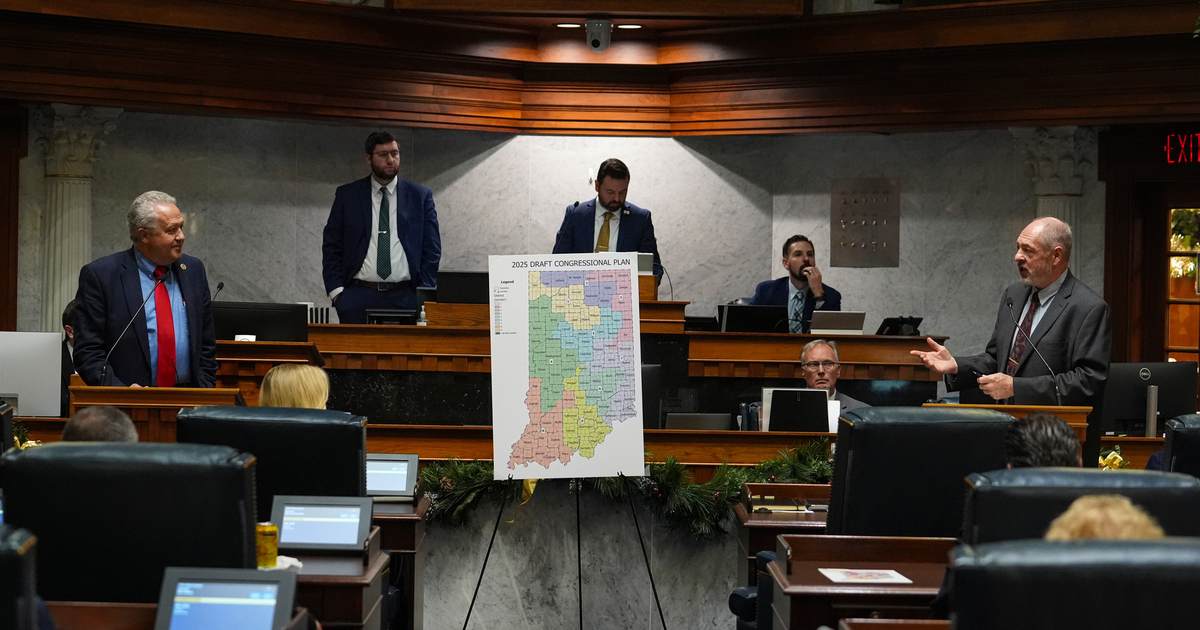
Cover image from redstate.com, which was analyzed for this article
Trump-endorsed challengers ousted five Indiana GOP state senators opposing his redistricting stance, while Vivek Ramaswamy won the Ohio governor Republican primary. The victories underscore Trump's strong hold on the GOP base ahead of midterms. Democratic turnout showed enthusiasm in Ohio.
PoliticalOS
Wednesday, May 6, 2026 — Politics
Trump's endorsements proved decisive in ousting five of seven targeted Indiana Republican state senators who blocked his mid-decade redistricting plan, reinforcing his hold on the party base ahead of midterms. Heavy spending by allies and procedural disputes over when maps can legally change formed key backdrop details often underplayed. The landslide win by Vivek Ramaswamy in Ohio further signals alignment with Trump's wing of the GOP, though general election dynamics against energized Democrats remain unresolved.
What outlets missed
Most outlets underplayed the legal argument cited by Indiana incumbents: state law generally restricts redistricting to the decennial census cycle, a point raised by more than 20 GOP senators who joined Democrats in the December 2025 rejection. The $8.3 million spent by Trump allies and allied super PACs received inconsistent attention, as did the fact that a non-endorsed challenger also defeated an incumbent who opposed redistricting. Details on Ramaswamy's $25 million self-loan and the full Ohio Democratic primary context, including Acton's unopposed path and Brown's separate Senate win, were often minimized or separated from the Trump narrative. Bomb threats reported against some Indiana senators before the redistricting vote appeared in only a subset of coverage and could not be independently verified across all sources.
Trump's Loyalists Dominate Midwestern Primaries as Ramaswamy Advances to Ohio Governor Race
Vivek Ramaswamy cruised to the Republican nomination for Ohio governor on Tuesday, setting up a general election contest against Democrat Amy Acton that will test the enduring strength of Trump-aligned politics in a crucial swing state. At the same time, in neighboring Indiana, voters delivered a stark rebuke to Republican state senators who had defied President Donald Trump on congressional redistricting, with at least five Trump-endorsed challengers defeating incumbents in races that carried national implications for the party's direction.
Ramaswamy, the 40-year-old health-tech entrepreneur and former 2024 presidential candidate, defeated political newcomer Casey Putsch by a comfortable margin. Putsch had built a following as a YouTube personality known as "Casey the Car Guy" and centered his campaign on nativist attacks, mocking Ramaswamy's Indian heritage and Hindu faith in ways that echoed ugly online criticism the candidate has faced for years. Ramaswamy, who dropped out of the presidential race after aligning himself closely with Trump, had initially been tapped to help Elon Musk lead efforts to shrink the federal government before pivoting to statewide office. Trump endorsed him early and enthusiastically, calling him "Young, Strong, and Smart" in social media posts.
In his victory speech, Ramaswamy struck themes familiar from his national debut, promising to "leave this state and this country better than we found it." Across the aisle, Acton advanced unopposed for the Democratic nomination. The former Ohio public health director, who gained prominence guiding the state's coronavirus response, told supporters that the race would focus on affordability. "It shouldn't be this hard," she said. "It is time to put working families first."
The Ohio results unfolded alongside a more pointed demonstration of presidential power in Indiana, where Trump moved aggressively to punish Republican legislators who had blocked his push last year to redraw the state's congressional map in ways that would have added GOP seats. Of the seven Trump-endorsed challengers targeting those incumbents, at least five appeared to have won outright, with one loss and one race too close to call as of early Wednesday. The victories came after allies of Trump and Sen. Jim Banks poured more than $8.3 million into the contests, an extraordinary sum for state legislative primaries that usually attract little national attention.
Among the defeated incumbents was state Sen. Travis Holdman, who said simply that he had done what his constituents asked and paid the price. "I did what my constituents asked me to do and it cost me my job," Holdman told reporters after losing to Trump-backed challenger Blake Fiechter. Other ousted senators included Greg Walker, defeated by Michelle Davis. Trump celebrated the results on Truth Social, reposting headlines and images of the winners in what Sen. Banks called a "big night for MAGA in Indiana."
The Indiana purge sends a clear signal ahead of November's midterm elections, which will determine control of Congress. Analysts viewed the primaries as an important gauge of Trump's grip over the Republican Party more than a year into his second term. The willingness to target fellow Republicans over a procedural vote on maps illustrates how personal loyalty has become the central organizing principle in many GOP contests, often eclipsing other considerations of governance or institutional norms.
Tuesday's primaries also produced another notable result in Ohio, where former Sen. Sherrod Brown secured the Democratic nomination for Senate in a contest against Republican Sen. Jon Husted. That race is expected to be among the most competitive and closely watched in the country as Democrats seek to regain ground in the upper chamber.
Ramaswamy's path to the nomination was never seriously in doubt after Trump's endorsement, yet the ethnic and religious attacks from Putsch offered a window into persistent tensions within the party's base. Ramaswamy has long positioned himself as a critic of corporate "wokeness" and a proponent of cultural conservatism, themes that helped him build an audience before his presidential bid. His quick realignment with Trump after that campaign's end, and his subsequent departure from the federal efficiency effort to run for governor, underscore the magnetic pull of elective office even for figures who once sought the highest rung.
For Acton, the challenge will be to translate her public health background and emphasis on working families into a viable campaign in a state that has trended Republican. Ohio's political terrain remains difficult for Democrats, yet the gubernatorial race could hinge on pocketbook issues like housing costs and economic pressures that Acton highlighted in her victory remarks.
Taken together, the results from Indiana and Ohio reinforce a pattern visible since Trump's return to the White House: the Republican Party continues to consolidate around his preferences, with little tolerance for deviation even on questions once considered the province of state legislators. Whether that dynamic produces stronger governance or simply rewards fealty remains an open question as the map for November takes shape. The heavy investment of time and money by national figures in these down-ballot races suggests they understand the stakes. In an era when congressional maps and Senate seats can be decided by narrow margins, the ability to enforce discipline at the state level may prove as consequential as any policy debate.
You just read Liberal's take. Want to read what actually happened?
More in Politics
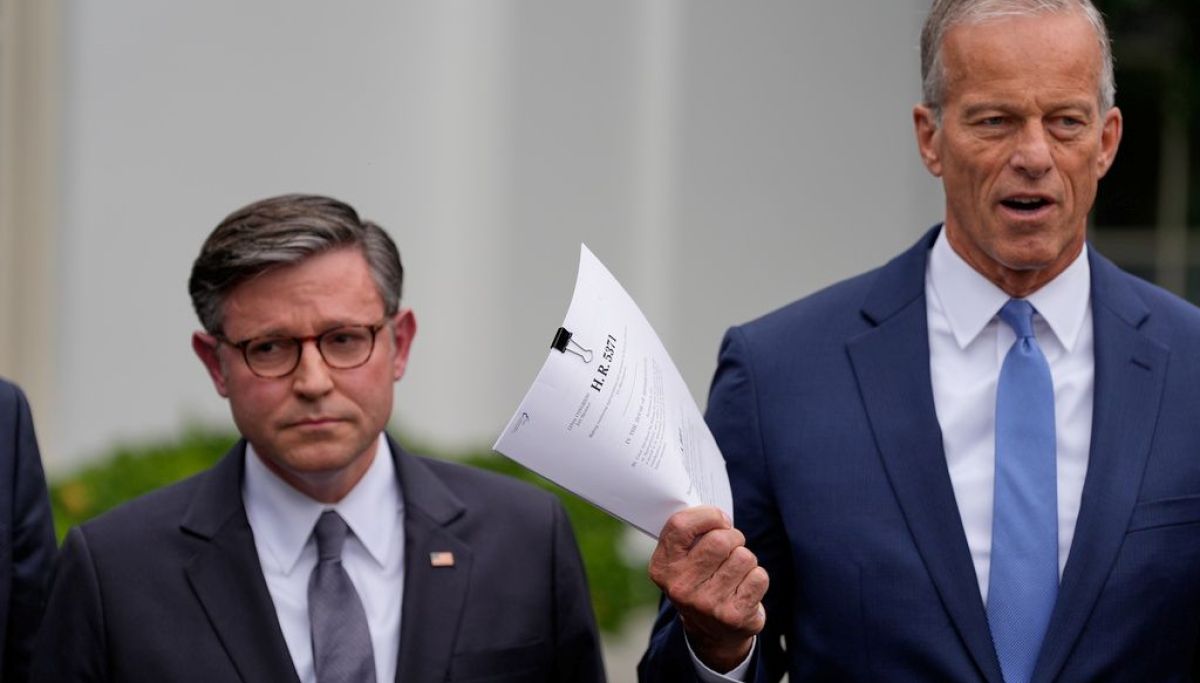
Trump at 32% Approval as Gas Prices Test GOP Midterm Hopes
NYT/Siena polling showed Trump's approval at historic lows around 32 percent with Democrats leading by double digits in key districts. Early voting has surged in battleground states.

Record Early Voting Hits Battlegrounds, Shifting Partisan Shares
AP analysis found hundreds of thousands more early ballots than in 2022 in states including Texas, Ohio, Kansas, Maine, and North Carolina, shifting partisan dynamics.
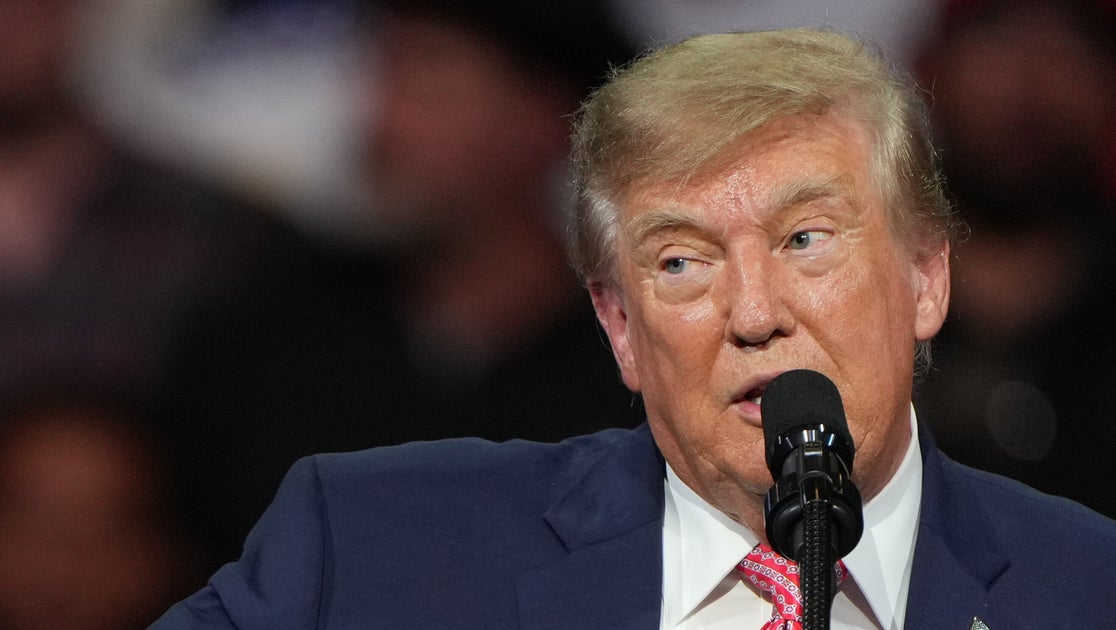
Trump Backs Marshall in Kansas Senate Race Tightened by Farm Costs
President Trump rallied in deep-red Kansas for GOP Sen. Roger Marshall in a competitive race, announcing an $8 billion farm fuel relief program amid high diesel prices. Democrats see an opening to end 94 years of GOP dominance in the state.

Trump Pauses Russia Sanctions Amid Ukraine Tensions and Missile Strikes
Trump waived sanctions on Russia and floated trilateral talks with Putin and Xi as part of ending the Ukraine war, while tensions rose with Zelenskyy over Starlink and arms. Bipartisan senators engaged Zelenskyy amid the shifts.
The Compass
You just read five takes on one story.
What's your take? Find your political shape in a few minutes.
Take the test