
Trump Accuses Pope Leo XIV of Endangering Catholics Ahead of Rubio Visit
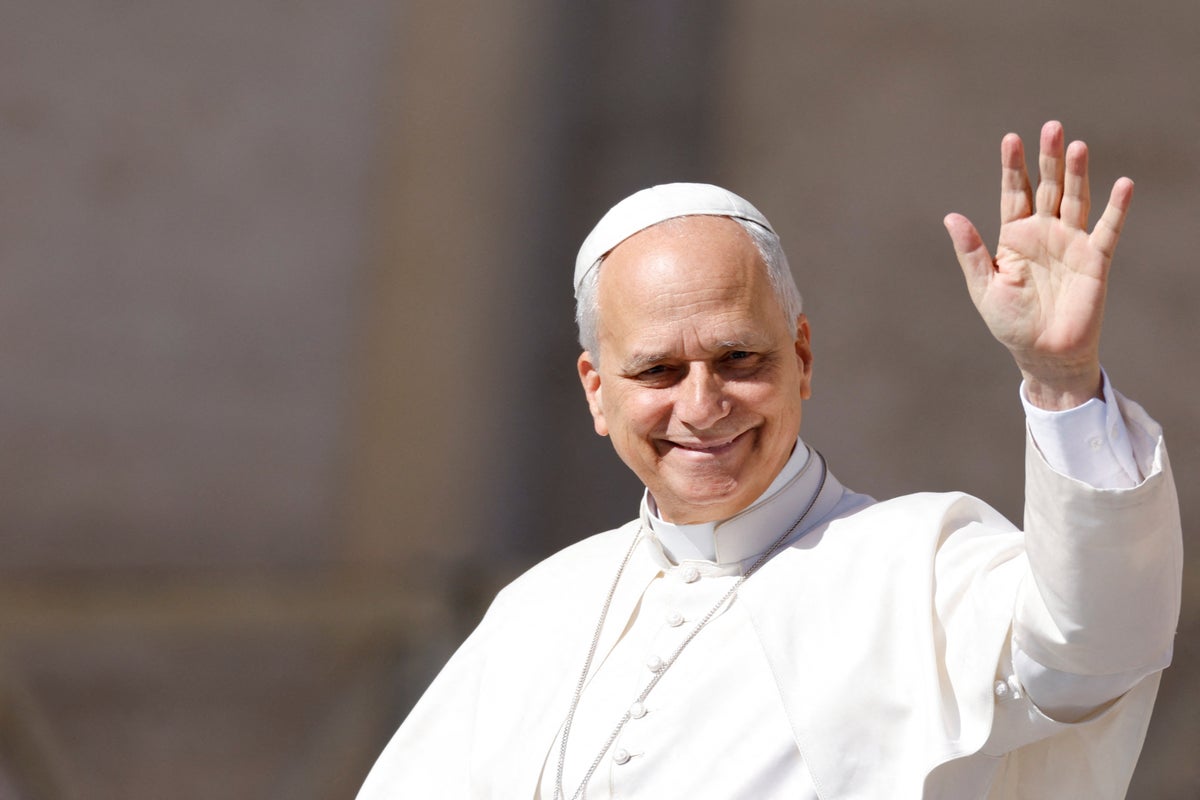
Cover image from independent.co.uk, which was analyzed for this article
Trump accused Pope Leo XIV of endangering Catholics in sharp comments, renewing their clash ahead of Secretary Rubio's Vatican visit. Rubio anticipates a frank discussion. The spat highlights Trump's style in international relations.
PoliticalOS
Tuesday, May 5, 2026 — Politics
The reported comments by President Trump accusing Pope Leo XIV of endangering Catholics over Iran policy remain tied to a single unverified radio interview rather than an established pattern of papal statements favoring nuclear weapons. Rubio's Vatican meetings represent a deliberate diplomatic channel to manage differences on the Middle East, Cuba and immigration even as personal rhetoric continues. Readers should treat the precise wording of the latest Trump remarks and certain papal criticisms with caution until primary transcripts or recordings surface.
What outlets missed
Most accounts underplayed the documented timeline of the 2026 Iran conflict, which began with U.S.-Israeli strikes on February 28 in response to nuclear and missile developments and included a ceasefire by April 8, leaving only residual tensions by May. Outlets gave little space to Vatican transcripts showing Pope Leo's consistent calls for a 'world free from nuclear threat,' which directly contextualize and challenge the interpretation of his stance on Iran. The full Rubio itinerary, including meetings with Vatican Secretary of State Parolin, Italian Foreign Minister Tajani and potential broader diplomatic efforts to 'thaw' relations, received minimal attention. Primary sourcing for the Hugh Hewitt interview remained thin across coverage, with no outlet linking to audio, a full transcript or contemporaneous fact-checks at time of publication. Finally, the potential erosion of support among U.S. conservative Catholics, noted in BBC reporting, was largely sidelined in favor of the personal Trump-pope drama.
Trump Says Pope Endangers Catholics by Opposing Action Against Iran
President Donald Trump has sharpened his criticism of Pope Leo XIV, warning that the pontiff's resistance to American efforts against Iran's nuclear program risks harm to Catholics and others living under the shadow of Islamist extremism. The remarks, delivered during a radio interview, come as Secretary of State Marco Rubio prepares to visit the Vatican for what U.S. officials describe as a candid discussion of policy differences.
In the Sunday appearance on The Hugh Hewitt Show, Trump was asked about the case of Jimmy Lai, the pro-democracy Hong Kong publisher imprisoned by Beijing. Trump intends to raise Lai's detention with Chinese President Xi Jinping this month. When the host suggested the Pope might use his influence on the matter, Trump pivoted to the Vatican's stance on Iran. "The Pope would rather talk about the fact that it's OK for Iran to have a nuclear weapon," he said. "I don't think that's very good. I think he's endangering a lot of Catholics and a lot of people."
The president added that if the matter rests with the Pope, then Tehran can apparently proceed with atomic weapons unhindered. These comments mark the latest chapter in a running disagreement between the first American-born pope and the Trump administration. Leo has never explicitly endorsed a nuclear Iran, yet he has forcefully opposed the U.S. military campaign that the administration says is designed to cripple Tehran's nuclear infrastructure before it can produce a weapon. Last month the Pope described Trump's warning that an entire civilization could perish in Iran as "unacceptable" and spoke of a "delusion of omnipotence" behind such conflicts, an apparent reference to American policy.
Trump responded in kind, calling the Pope "weak on crime" and "terrible for foreign policy." He has also spoken favorably of the Pope's brother Louis, describing him as "all MAGA." At one point the president shared an online image depicting himself in a Christ-like pose healing the sick, a gesture that drew criticism from some of his usual supporters as well as from religious leaders across the political spectrum.
The public friction highlights deeper divisions over how free societies should confront determined adversaries. Iran's theocratic regime has spent decades sponsoring terrorism, enriching uranium beyond civilian needs, and vowing to eliminate Israel. A nuclear Iran would alter the balance of power across the Middle East, placing additional pressure on religious minorities, including Catholic communities in Lebanon, Iraq, and beyond. From a standpoint that weighs incentives and observed behavior rather than hopeful rhetoric, tolerating Iran's program carries real consequences. Past attempts at accommodation, whether through the 2015 nuclear agreement or quiet diplomacy, have not halted Tehran's progress or moderated its ideology. Strength and clarity, by contrast, have at times produced better results, as seen in the Abraham Accords and the elimination of Islamic State territorial control during Trump's first term.
Despite the sharp words, the administration is not closing off communication. U.S. Ambassador to the Holy See Brian Burch told reporters in Rome on Tuesday that Rubio anticipates a "frank" conversation during his visit later this week. "Nations have disagreements, and I think one of the ways that you work through those is through fraternity and authentic dialogue," Burch said. "I think the Secretary is coming here in that spirit, to have a frank conversation about U.S. policy, to engage in dialogue." Burch rejected the notion of a "deep rift," noting that senior American officials have maintained contact with the Vatican. Both Rubio and Vice President JD Vance are practicing Catholics who attended Pope Leo's inaugural Mass a year ago.
The meeting occurs against a backdrop of other disagreements, including immigration policy and the broader war in the Middle East. The Pope has emphasized mercy toward migrants and skepticism of military solutions, positions rooted in longstanding Catholic social teaching. The Trump administration, however, argues that uncontrolled migration strains social cohesion and that military pressure on Iran serves the cause of peace by denying weapons to those who would use them aggressively. These are not abstract theological disputes. They involve concrete questions of borders, deterrence, and the protection of innocent life from regimes that execute dissidents, persecute Christians, and seek regional hegemony.
Christian leaders from various traditions have expressed discomfort with the personal tone of the exchange. Some worry that public spats between the president and the Pope erode the moral authority of both institutions at a time when secularism and authoritarianism challenge the West. Others note that the Vatican has historically balanced criticism of power with pragmatic engagement, as during the Cold War when popes simultaneously condemned communism and negotiated with Soviet officials.
Trump's focus on Jimmy Lai during the Hewitt interview underscored his broader approach. Lai, a convert to Catholicism, faces potential life imprisonment for supporting Hong Kong's freedoms. The administration sees his case as part of a larger pattern of communist repression that demands firmness rather than equivocation. China's partnership with Iran, including arms shipments and diplomatic cover, further links these issues. A nuclear Iran would embolden Beijing's ambitions in the Pacific and elsewhere.
Rubio's trip to the Vatican offers an opportunity to clarify American purposes. The administration has repeatedly stated that it seeks the denuclearization of Iran, not the destruction of its people. If the Pope can use his office to urge Tehran toward verifiable concessions, that would align moral concern with practical outcomes. Yet moral pronouncements that inadvertently shield aggressive regimes from pressure have rarely advanced the cause of the vulnerable. The coming meeting will test whether the two sides can distinguish between genuine dialogue and the avoidance of hard realities.
For now, the contrast stands. One leader views the acquisition of nuclear weapons by a millenarian regime as an unacceptable danger requiring decisive action. The other appears to believe that restraint and criticism of the United States will somehow produce better results. The test of any policy is not the sincerity of its advocates but the results it delivers for those most at risk, including the Catholics Trump says are being endangered.
You just read Conservative's take. Want to read what actually happened?
More in Politics

Trump Defends Ramaswamy Ad Using Estranged Mother in Ohio Race
President Trump defended a GOP nominee's ad featuring a Democratic opponent's estranged mother, calling it powerful, while drawing criticism from some Republicans including Ohio Gov. Mike DeWine. The ad has sparked internal GOP tensions ahead of midterms.
Federal Raid Targets Omar Amid Unresolved Name and Marriage Allegations
Agents searched Rep. Ilhan Omar's DC residence over immigration fraud allegations; she called it bizarre. Reports and commentary questioned her birth name and past marriage details.

Supreme Court Upholds New Hampshire Student ID Voting Ban
The Supreme Court upheld New Hampshire's ban on student IDs as valid voter identification just before midterms, affecting a tight Senate race.
Early Voting Hits 21 Million as Most Trust Midterm Accuracy
Millions have already voted early as parties make final appeals amid $1.4 billion in ad spending; polls show confidence in election accuracy.
The Compass
You just read five takes on one story.
What's your take? Find your political shape in a few minutes.
Take the test