
Trump Accuses Pope Leo XIV of Endangering Catholics Ahead of Rubio Visit
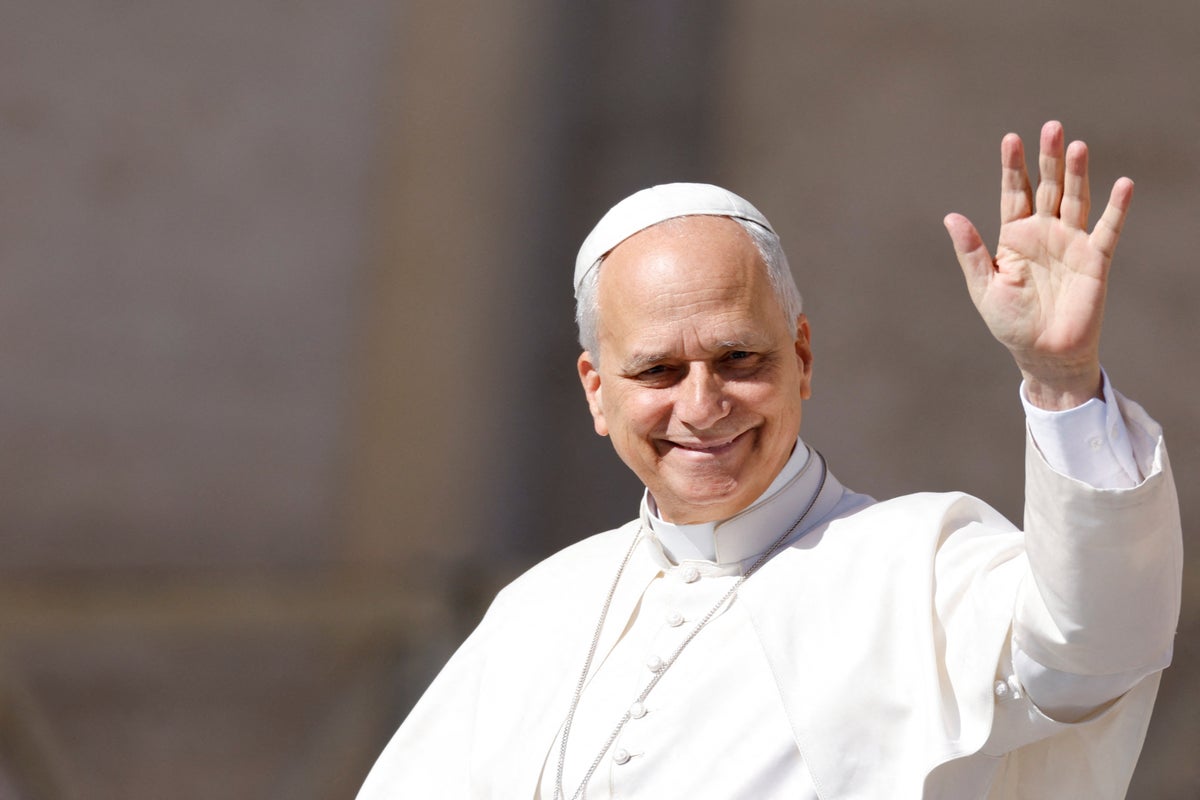
Cover image from independent.co.uk, which was analyzed for this article
Trump accused Pope Leo XIV of endangering Catholics in sharp comments, renewing their clash ahead of Secretary Rubio's Vatican visit. Rubio anticipates a frank discussion. The spat highlights Trump's style in international relations.
PoliticalOS
Tuesday, May 5, 2026 — Politics
The reported comments by President Trump accusing Pope Leo XIV of endangering Catholics over Iran policy remain tied to a single unverified radio interview rather than an established pattern of papal statements favoring nuclear weapons. Rubio's Vatican meetings represent a deliberate diplomatic channel to manage differences on the Middle East, Cuba and immigration even as personal rhetoric continues. Readers should treat the precise wording of the latest Trump remarks and certain papal criticisms with caution until primary transcripts or recordings surface.
What outlets missed
Most accounts underplayed the documented timeline of the 2026 Iran conflict, which began with U.S.-Israeli strikes on February 28 in response to nuclear and missile developments and included a ceasefire by April 8, leaving only residual tensions by May. Outlets gave little space to Vatican transcripts showing Pope Leo's consistent calls for a 'world free from nuclear threat,' which directly contextualize and challenge the interpretation of his stance on Iran. The full Rubio itinerary, including meetings with Vatican Secretary of State Parolin, Italian Foreign Minister Tajani and potential broader diplomatic efforts to 'thaw' relations, received minimal attention. Primary sourcing for the Hugh Hewitt interview remained thin across coverage, with no outlet linking to audio, a full transcript or contemporaneous fact-checks at time of publication. Finally, the potential erosion of support among U.S. conservative Catholics, noted in BBC reporting, was largely sidelined in favor of the personal Trump-pope drama.
Trump Accuses Pope of Endangering Catholics by Downplaying Iran Nuclear Threat
President Donald Trump sharply criticized Pope Leo XIV on Sunday accusing the pontiff of endangering Catholics and others by appearing to accept the idea of a nuclear armed Iran. The remarks came during an interview with radio host Hugh Hewitt as Trump discussed his plans to press Chinese President Xi Jinping on the case of jailed Hong Kong pro democracy activist Jimmy Lai. When Hewitt suggested the Pope should also raise Lai's detention with Beijing Trump pivoted to the Vatican's position on the ongoing conflict with Iran.
Well the Pope would rather talk about the fact that it's OK for Iran to have a nuclear weapon Trump said. I don't think that's very good. I think he's endangering a lot of Catholics and a lot of people. But I guess if it's up to the Pope he thinks it's just fine for Iran to have a nuclear weapon.
The comments mark the latest escalation in a very public feud between the American president and the first United States born pope. Leo has repeatedly challenged Trump's approach to the Iran war which the administration describes as a necessary effort to dismantle Tehran's nuclear program and prevent a radical regime from obtaining weapons of mass destruction. Last month the pope labeled Trump's warning that an entire civilization will die in Iran as unacceptable. He also pointed to what he called a delusion of omnipotence driving the conflict and other global crises in language widely viewed as a direct rebuke of the president.
Trump fired back with characteristic bluntness calling the pope weak on crime and terrible for foreign policy. He even suggested he preferred the pontiff's brother Louis whom Trump described as all MAGA. The exchange took a bizarre turn when Trump shared a meme depicting himself in the image of Jesus healing the sick drawing criticism from across the political spectrum including some of his own supporters.
The tension highlights a deeper divide over how America should conduct itself in a dangerous world. Trump has made clear that his priority is protecting United States interests and preventing terrorist sponsoring regimes like Iran from developing the ultimate weapon. The administration points to Iran's long history of aggression its support for proxy militias across the Middle East and its repeated vows to destroy Israel. From this perspective lectures from the Vatican about restraint can come across as naive at best and reckless at worst especially when the pope's words risk undermining the moral case for decisive action.
Secretary of State Marco Rubio a devout Catholic is scheduled to meet with Pope Leo this week at the Vatican. The visit comes amid efforts to manage the public spat. Brian Burch the United States ambassador to the Holy See told reporters Tuesday that Rubio expects a frank conversation. Nations have disagreements and I think one of the ways that you work through those is through fraternity and authentic dialogue Burch said. He rejected the notion of a deep rift insisting the meeting is simply an opportunity to discuss United States policy directly.
Rubio and Vice President JD Vance both Catholics previously met the pope shortly after his election. Those encounters were cordial but the relationship has since deteriorated as Leo has inserted himself into debates over the Iran conflict and other Trump priorities including immigration. The pope's criticism of strict border enforcement has long irritated conservatives who argue the Vatican often preaches open doors while enjoying the security of its own walled city state.
Trump's latest broadside also returned to the case of Jimmy Lai the Catholic media entrepreneur imprisoned by Beijing for his role in Hong Kong's pro democracy protests. Trump intends to press Xi on Lai's release later this month. The contrast is striking. While the pope has focused his rhetoric on condemning American military actions against Iran his voice has been noticeably quieter on Chinese persecution of Catholics and democracy advocates. Lai's imprisonment stands as a stark reminder of the threats posed by authoritarian regimes that face little pushback from international religious leaders more comfortable criticizing the United States.
The backlash against Trump's comments has been predictable. Some Christian leaders across the political spectrum have expressed dismay at the president's willingness to trade public barbs with the head of the Roman Catholic Church. Yet others point out that popes have a long history of misreading global threats. From the Vatican's early missteps with communism to more recent soft postures toward mass migration and radical Islam skeptics argue the institution has sometimes placed abstract ideals above the hard realities of security and national survival.
Trump's America First approach rejects the post World War II consensus that placed unlimited faith in international institutions and moralizing from global elites. His willingness to speak plainly about the Iran threat even when it puts him at odds with the pope reflects a worldview that puts the protection of American lives and allies first. Preventing a nuclear Iran is not warmongering it is basic prudence after years of failed diplomatic deals that only emboldened the mullahs.
As Rubio prepares for his meeting in Rome the contrast could not be clearer. One side sees dialogue and fraternity as the path forward even with a pope who appears to minimize the existential danger from Tehran. The other sees a world where strength and clarity remain the only reliable deterrents against regimes that chant death to America and pursue apocalyptic weapons. Trump has made his position known. Whether the Vatican chooses authentic dialogue or continued public scolding may determine if this rift widens or begins to narrow.
The president shows no sign of backing down. His focus remains on results from securing the border to confronting adversaries abroad. If that means challenging religious leaders who he believes are misjudging the threats of our time then Trump appears more than willing to do so. Catholics concerned about the safety of their communities in an increasingly unstable world may find the president's blunt assessment more grounded in reality than the pope's lofty rebukes.
You just read America First's take. Want to read what actually happened?
More in Politics
Trump at 32% Approval as Gas Prices Test GOP Midterm Hopes
NYT/Siena polling showed Trump's approval at historic lows around 32 percent with Democrats leading by double digits in key districts. Early voting has surged in battleground states.

Record Early Voting Hits Battlegrounds, Shifting Partisan Shares
AP analysis found hundreds of thousands more early ballots than in 2022 in states including Texas, Ohio, Kansas, Maine, and North Carolina, shifting partisan dynamics.
Trump Backs Marshall in Kansas Senate Race Tightened by Farm Costs
President Trump rallied in deep-red Kansas for GOP Sen. Roger Marshall in a competitive race, announcing an $8 billion farm fuel relief program amid high diesel prices. Democrats see an opening to end 94 years of GOP dominance in the state.

Trump Pauses Russia Sanctions Amid Ukraine Tensions and Missile Strikes
Trump waived sanctions on Russia and floated trilateral talks with Putin and Xi as part of ending the Ukraine war, while tensions rose with Zelenskyy over Starlink and arms. Bipartisan senators engaged Zelenskyy amid the shifts.
The Compass
You just read five takes on one story.
What's your take? Find your political shape in a few minutes.
Take the test