
Trump Accuses Pope Leo XIV of Endangering Catholics Ahead of Rubio Visit
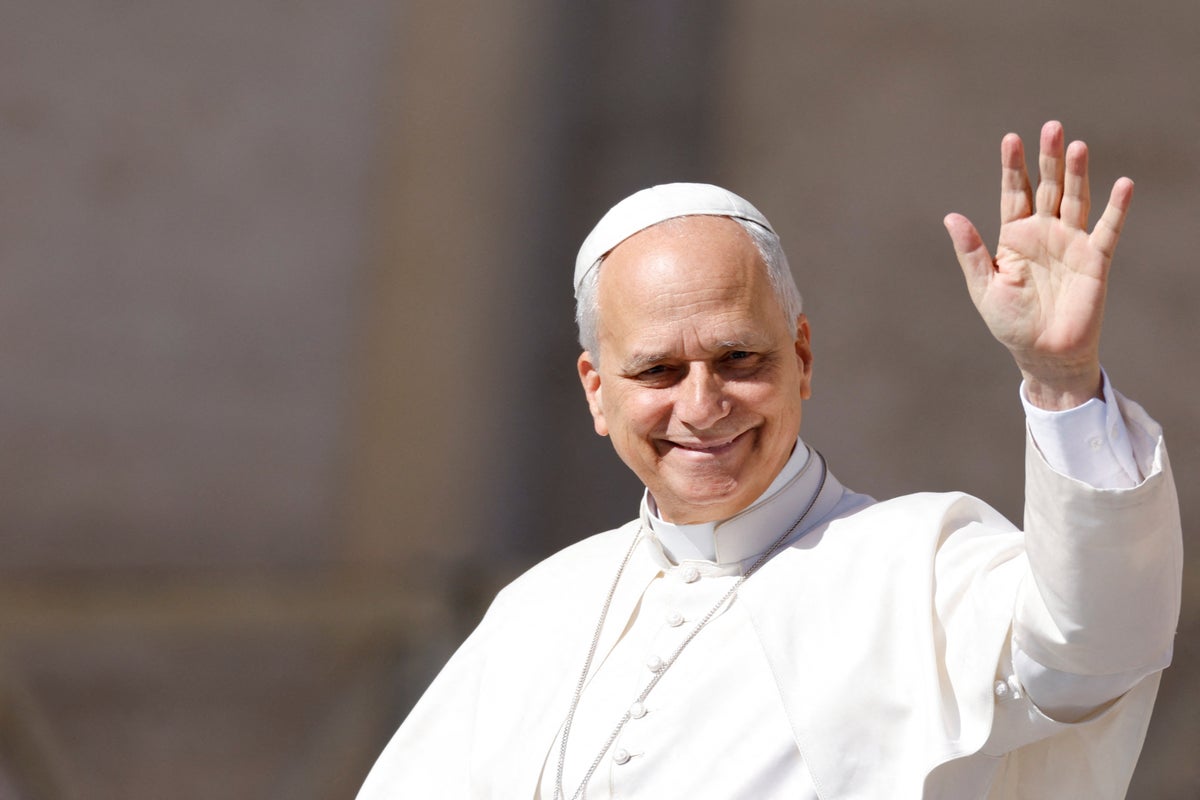
Cover image from independent.co.uk, which was analyzed for this article
Trump accused Pope Leo XIV of endangering Catholics in sharp comments, renewing their clash ahead of Secretary Rubio's Vatican visit. Rubio anticipates a frank discussion. The spat highlights Trump's style in international relations.
PoliticalOS
Tuesday, May 5, 2026 — Politics
The reported comments by President Trump accusing Pope Leo XIV of endangering Catholics over Iran policy remain tied to a single unverified radio interview rather than an established pattern of papal statements favoring nuclear weapons. Rubio's Vatican meetings represent a deliberate diplomatic channel to manage differences on the Middle East, Cuba and immigration even as personal rhetoric continues. Readers should treat the precise wording of the latest Trump remarks and certain papal criticisms with caution until primary transcripts or recordings surface.
What outlets missed
Most accounts underplayed the documented timeline of the 2026 Iran conflict, which began with U.S.-Israeli strikes on February 28 in response to nuclear and missile developments and included a ceasefire by April 8, leaving only residual tensions by May. Outlets gave little space to Vatican transcripts showing Pope Leo's consistent calls for a 'world free from nuclear threat,' which directly contextualize and challenge the interpretation of his stance on Iran. The full Rubio itinerary, including meetings with Vatican Secretary of State Parolin, Italian Foreign Minister Tajani and potential broader diplomatic efforts to 'thaw' relations, received minimal attention. Primary sourcing for the Hugh Hewitt interview remained thin across coverage, with no outlet linking to audio, a full transcript or contemporaneous fact-checks at time of publication. Finally, the potential erosion of support among U.S. conservative Catholics, noted in BBC reporting, was largely sidelined in favor of the personal Trump-pope drama.
Trump Escalates Rift with American Pope by Claiming He Endangers Catholics in Iran Dispute
President Donald Trump has sharpened his public attacks on Pope Leo XIV, the first American-born pontiff, accusing him of “endangering a lot of Catholics” for criticizing the U.S. military campaign against Iran. The remarks, made Sunday on the Hugh Hewitt radio show, come as Secretary of State Marco Rubio prepares to visit the Vatican this week for what the U.S. ambassador to the Holy See described as a “frank” conversation about policy differences.
Trump’s latest comments center on the war in Iran, which the administration says is intended to dismantle Tehran’s nuclear program. The president claimed the pope believes “it’s OK for Iran to have a nuclear weapon,” adding, “I don’t think that’s very good. I think he’s endangering a lot of Catholics and a lot of people.” In reality, Leo has never endorsed an Iranian nuclear weapon. He has, however, condemned the conflict itself, calling Trump’s earlier warning that “a whole civilization will die” in Iran “unacceptable” and suggesting that a “delusion of omnipotence” was driving multiple global crises.
The exchange marks the latest chapter in a strikingly personal feud between a U.S. president and the leader of the world’s 1.3 billion Catholics. Trump has previously labeled the pope “WEAK on crime” and “terrible for Foreign Policy,” while expressing preference for Leo’s brother, Louis, whom he has called “all MAGA.” The president even posted an image depicting himself as Jesus Christ healing the sick, a move that drew rebukes from some of his own supporters as well as from religious leaders across the political spectrum.
The tension carries particular weight because both Rubio and Vice President JD Vance are practicing Catholics who attended Leo’s inaugural Mass a year ago. That meeting remains the only known cabinet-level encounter between the Trump administration and the pope. On Tuesday, U.S. Ambassador Brian Burch told reporters in Rome that Rubio’s upcoming visit should not be viewed through the lens of repairing a “deep rift.” Instead, Burch emphasized themes of “fraternity and authentic dialogue,” saying nations inevitably disagree and that the secretary of state would arrive “in that spirit” to discuss U.S. policy directly.
Yet the gap between the two sides is substantial. The Catholic Church has long maintained a robust just-war tradition that sets a high bar for military force and insists on protecting civilian life. Leo’s criticism of the Iran campaign appears grounded in that teaching, as well as in the Vatican’s broader concerns about escalation in the Middle East. Trump, by contrast, has framed the war in stark, almost existential terms, suggesting that only overwhelming American power can neutralize the threat from Tehran.
The public nature of the dispute is unusual even by the standards of church-state friction. Previous American presidents, including devout Catholics such as John F. Kennedy and Joe Biden, largely avoided direct confrontations with the Vatican. Trump’s approach, by personalizing policy disagreements and questioning the pope’s concern for his own flock, risks deepening divisions among U.S. Catholics, who already disagree sharply along partisan lines on issues from immigration to climate to the morality of war.
Those domestic divisions matter because American Catholics remain a pivotal voting bloc. Trump made significant inroads with them in 2024, particularly among those who attend Mass less frequently. Yet the institutional Church, from parish priests to bishops to the pope himself, has often sounded alarms about Trump-era rhetoric on migration, the death penalty, and the conduct of war. The current clash threatens to turn those policy differences into something more visceral: a contest over who speaks for Catholic values in the United States.
The timing of Rubio’s trip adds another layer. The secretary of state is expected to raise human rights concerns, including the case of jailed Hong Kong pro-democracy activist Jimmy Lai, which Trump himself says he will discuss with Chinese President Xi Jinping later this month. Hewitt had suggested the pope might use his moral authority on Lai’s behalf. Trump’s response, pivoting immediately to an attack on Leo, illustrated how thoroughly the Iran dispute now colors the administration’s entire approach to the Vatican.
For his part, Leo has responded with measured but firm language. His warnings about “delusions of omnipotence” read like a subtle diagnosis of a style of politics that treats every problem as solvable through dominance rather than diplomacy or restraint. That critique resonates with a long tradition of Catholic social thought wary of unchecked power, whether exercised by empires, dictators, or democratically elected leaders.
Ambassador Burch’s insistence that no “deep rift” exists may reflect a desire to keep diplomatic channels open. Yet the president’s own words keep widening the breach. When the most prominent Catholic layman in the world repeatedly disparages the Church’s spiritual leader as naïve or even dangerous, it does more than generate headlines. It signals to millions of American Catholics that their faith’s highest authority sits on the opposite side of a partisan divide.
How Rubio navigates the conversation in Rome will offer an early test of whether the administration seeks genuine dialogue or simply another opportunity to demonstrate toughness. The Vatican, for its part, has centuries of experience managing relations with prickly heads of state. What makes this episode different is the uniquely American character of both the president and the pope. Their shared nationality was once expected to smooth relations. Instead it has turned a policy disagreement into something more intimate and, for many believers, more painful.
The episode also highlights a deeper tension in contemporary politics: the difficulty of maintaining institutions that claim to stand above partisan combat when those institutions issue moral judgments that intersect with partisan priorities. A president who views strength as the ultimate virtue is bound to clash with a church that views humility, prudence, and the protection of human dignity as non-negotiable. That clash is now playing out in public, with implications that extend well beyond Rome or Washington.
As Rubio prepares for his meetings, the central question is whether the two sides can isolate specific areas of cooperation, such as religious liberty in China, from the broader philosophical gulf over war and power. Trump’s weekend comments suggest the president has little interest in such compartmentalization. By accusing the pope of endangering Catholics, he has once again made the dispute personal, ensuring that the rift will remain visible long after Rubio returns from the Vatican.
You just read Liberal's take. Want to read what actually happened?
More in Politics

Trump Defends Ramaswamy Ad Using Estranged Mother in Ohio Race
President Trump defended a GOP nominee's ad featuring a Democratic opponent's estranged mother, calling it powerful, while drawing criticism from some Republicans including Ohio Gov. Mike DeWine. The ad has sparked internal GOP tensions ahead of midterms.
Federal Raid Targets Omar Amid Unresolved Name and Marriage Allegations
Agents searched Rep. Ilhan Omar's DC residence over immigration fraud allegations; she called it bizarre. Reports and commentary questioned her birth name and past marriage details.

Supreme Court Upholds New Hampshire Student ID Voting Ban
The Supreme Court upheld New Hampshire's ban on student IDs as valid voter identification just before midterms, affecting a tight Senate race.
Early Voting Hits 21 Million as Most Trust Midterm Accuracy
Millions have already voted early as parties make final appeals amid $1.4 billion in ad spending; polls show confidence in election accuracy.
The Compass
You just read five takes on one story.
What's your take? Find your political shape in a few minutes.
Take the test