
Trump Accuses Pope Leo XIV of Endangering Catholics Ahead of Rubio Visit
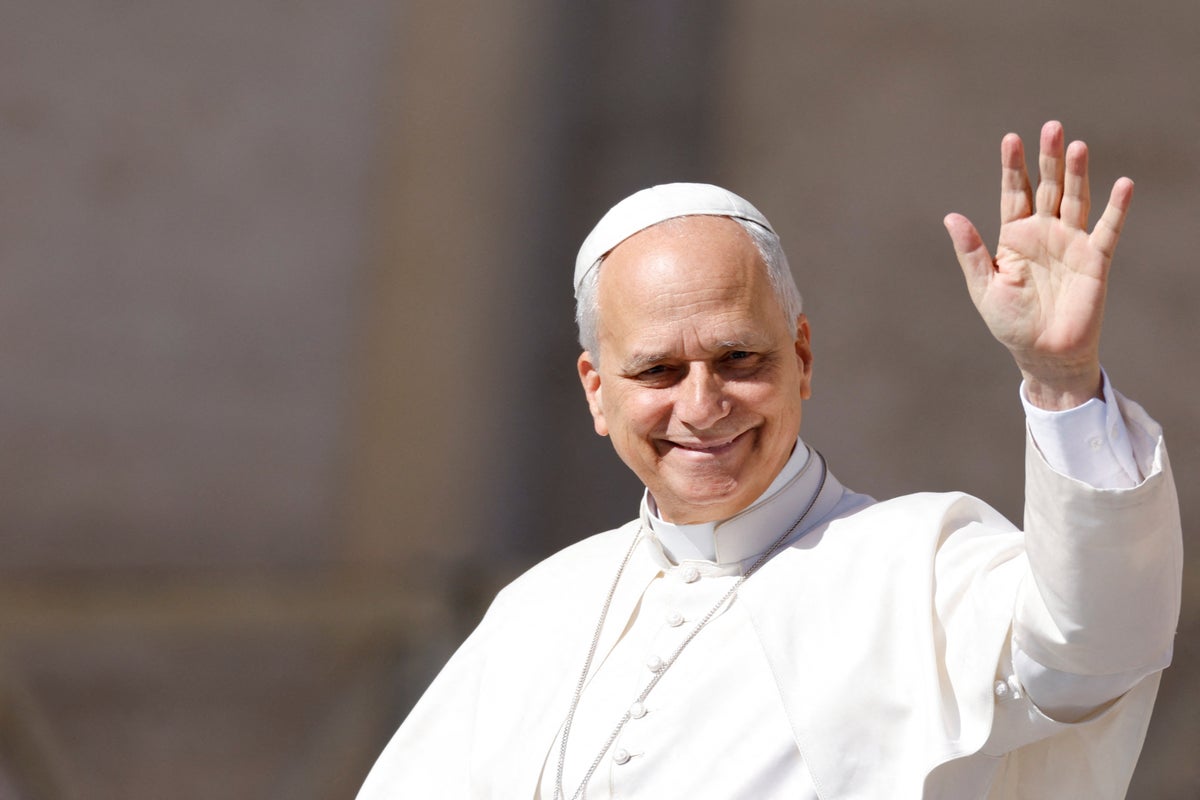
Cover image from independent.co.uk, which was analyzed for this article
Trump accused Pope Leo XIV of endangering Catholics in sharp comments, renewing their clash ahead of Secretary Rubio's Vatican visit. Rubio anticipates a frank discussion. The spat highlights Trump's style in international relations.
PoliticalOS
Tuesday, May 5, 2026 — Politics
The reported comments by President Trump accusing Pope Leo XIV of endangering Catholics over Iran policy remain tied to a single unverified radio interview rather than an established pattern of papal statements favoring nuclear weapons. Rubio's Vatican meetings represent a deliberate diplomatic channel to manage differences on the Middle East, Cuba and immigration even as personal rhetoric continues. Readers should treat the precise wording of the latest Trump remarks and certain papal criticisms with caution until primary transcripts or recordings surface.
What outlets missed
Most accounts underplayed the documented timeline of the 2026 Iran conflict, which began with U.S.-Israeli strikes on February 28 in response to nuclear and missile developments and included a ceasefire by April 8, leaving only residual tensions by May. Outlets gave little space to Vatican transcripts showing Pope Leo's consistent calls for a 'world free from nuclear threat,' which directly contextualize and challenge the interpretation of his stance on Iran. The full Rubio itinerary, including meetings with Vatican Secretary of State Parolin, Italian Foreign Minister Tajani and potential broader diplomatic efforts to 'thaw' relations, received minimal attention. Primary sourcing for the Hugh Hewitt interview remained thin across coverage, with no outlet linking to audio, a full transcript or contemporaneous fact-checks at time of publication. Finally, the potential erosion of support among U.S. conservative Catholics, noted in BBC reporting, was largely sidelined in favor of the personal Trump-pope drama.
Trump Escalates Clash with Pope Leo Accusing Pontiff of Endangering Catholics
President Donald Trump has sharpened his attacks on Pope Leo XIV, claiming the first American-born pontiff is “endangering a lot of Catholics” by opposing the U.S. war in Iran. The remarks, delivered during a Sunday interview with conservative radio host Hugh Hewitt, come as Secretary of State Marco Rubio prepares for a Vatican visit this week that U.S. officials are billing as an exercise in “frank” dialogue.
Trump’s latest broadside was triggered by a discussion about Jimmy Lai, the imprisoned Hong Kong pro-democracy businessman whose case the president says he will raise with Chinese leader Xi Jinping. When Hewitt suggested the Pope might also press for Lai’s release, Trump pivoted immediately to Iran. “The Pope would rather talk about the fact that it’s OK for Iran to have a nuclear weapon,” he said. “I don’t think that’s very good. I think he’s endangering a lot of Catholics and a lot of people.”
The accusation distorts the Pope’s actual position. Leo has never endorsed a nuclear-armed Iran. He has, however, condemned Trump’s bellicose rhetoric, including the president’s warning that “a whole civilization will die” if the Islamic Republic does not bend. Last month the pontiff described such language as “unacceptable” and warned that a “delusion of omnipotence” appeared to be driving multiple global conflicts, a thinly veiled critique of the American president.
Trump responded in characteristic fashion. He labeled the Pope “WEAK on crime” and “terrible for Foreign Policy,” while claiming to prefer the company of Leo’s own brother, Louis, whom he described as “all MAGA.” The president even shared a digitally altered image of himself depicted as Jesus Christ healing the sick, a post that drew rebukes from Catholic leaders and some of his own supporters.
The feud has laid bare a deepening rift between the Trump administration and the global Catholic Church at a moment when two of the president’s most senior officials, Rubio and Vice President JD Vance, are themselves practicing Catholics. Both men attended Leo’s inaugural Mass a year ago in what remains the administration’s highest-level engagement with the Holy See until Rubio’s trip this week.
At the Vatican on Tuesday, U.S. Ambassador Brian Burch sought to downplay the tension. “Nations have disagreements,” he told reporters after an event at Rome’s Gregorian University. “One of the ways that you work through those is through fraternity and authentic dialogue.” Burch said Rubio was arriving “in that spirit” to discuss U.S. policy openly. When asked whether the secretary’s mission included repairing relations between Trump and the Pope, Burch rejected the premise. “I don’t accept the idea that somehow there’s some deep rift,” he insisted.
Yet the pattern of presidential insults suggests otherwise. Trump has repeatedly portrayed the Pope’s calls for restraint as naïve or hostile to American interests. The Holy See, for its part, has maintained its traditional role as a voice for peace and diplomacy, consistent with decades of papal teaching on just war and nuclear disarmament. Leo’s predecessor, Pope Francis, similarly clashed with Trump over immigration and climate policy; the current pontiff has extended that critique to the administration’s Middle East strategy.
The timing of Rubio’s visit adds another layer of complexity. The secretary, a devout Catholic who once considered entering the priesthood, will meet Leo days after Trump’s radio tirade. Vatican observers expect the conversation to cover not only Iran but also broader issues of religious freedom, migration, and the war in Ukraine, subjects on which the Pope has been outspoken. Rubio’s Catholic identity may offer a bridge, yet it also highlights the awkwardness of a president who claims to champion religious conservatives while publicly feuding with the leader of the world’s 1.4 billion Catholics.
Christian leaders across the ideological spectrum have already expressed alarm at Trump’s rhetoric. Evangelical figures who once embraced the president have joined Catholic bishops in questioning the wisdom of attacking the papacy. The image of an American president claiming the Pope endangers the faithful has struck many as particularly jarring, given the historic role of the United States as a defender of religious liberty.
Trump’s fixation on the Pope also risks distracting from the original subject that prompted the Hewitt interview: the fate of Jimmy Lai. The Hong Kong media tycoon faces potential life imprisonment under Beijing’s national security law. Advocates for Lai’s release had hoped to enlist moral voices including the Vatican. Instead, the conversation has been consumed by presidential grievance.
As Rubio lands in Rome, the central question is whether the administration views the Vatican as a diplomatic partner or an ideological adversary. Ambassador Burch’s emphasis on “authentic dialogue” offers a polite diplomatic facade, but Trump’s own words paint a different picture, one of personal animus and escalating confrontation. The Pope, for his part, has shown no sign of softening his criticism of what he sees as reckless militarism.
This is not the first time a U.S. president has clashed with a pope. Ronald Reagan sparred with John Paul II over Central America policy, and Barack Obama faced conservative Catholic backlash over contraception rules. Yet few modern presidents have engaged in the kind of personal, public insults now emanating from the Oval Office. Trump’s willingness to accuse the Pope of endangering Catholics over a misrepresented nuclear stance reveals more about the president’s worldview than the pontiff’s. It frames peace advocacy as weakness and diplomacy as disloyalty, a posture that leaves little room for the “fraternity” his own ambassador claims to seek.
Whether Rubio can thread the needle between loyalty to his president and respect for his faith will be closely watched, both in Washington and in Rome. For now, the public spectacle of an American president trading barbs with the leader of the Catholic Church continues to unfold, with consequences that may stretch far beyond any single meeting or radio interview.
You just read Progressive's take. Want to read what actually happened?
More in Politics
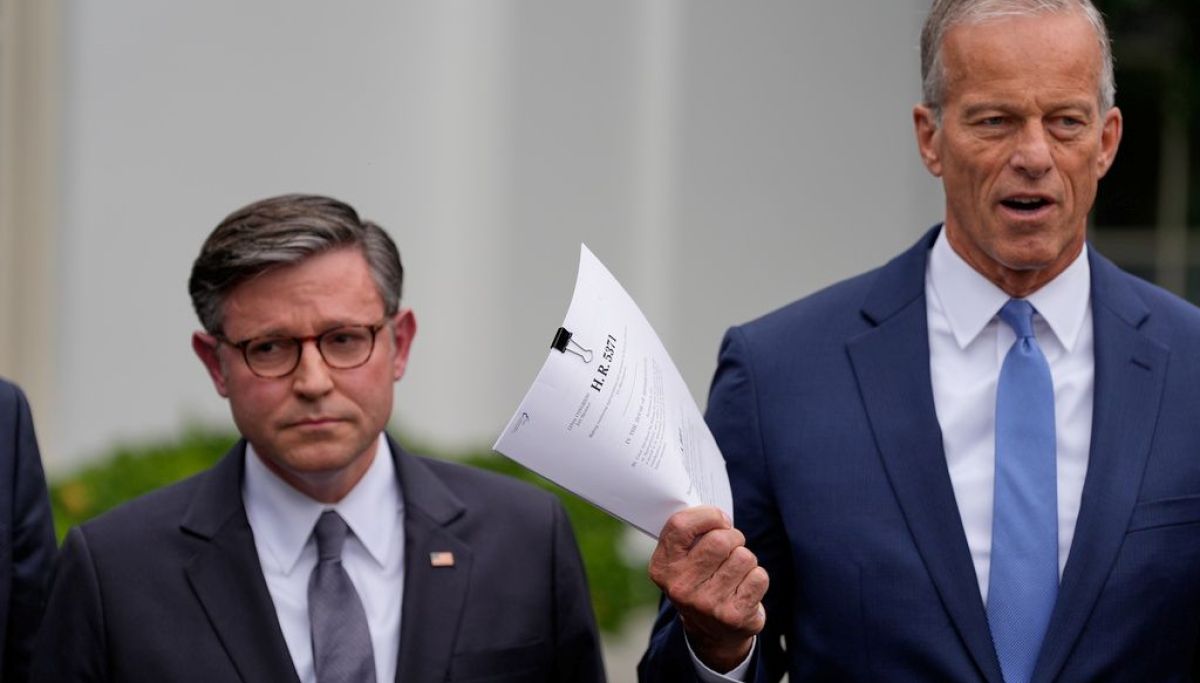
Trump at 32% Approval as Gas Prices Test GOP Midterm Hopes
NYT/Siena polling showed Trump's approval at historic lows around 32 percent with Democrats leading by double digits in key districts. Early voting has surged in battleground states.

Record Early Voting Hits Battlegrounds, Shifting Partisan Shares
AP analysis found hundreds of thousands more early ballots than in 2022 in states including Texas, Ohio, Kansas, Maine, and North Carolina, shifting partisan dynamics.
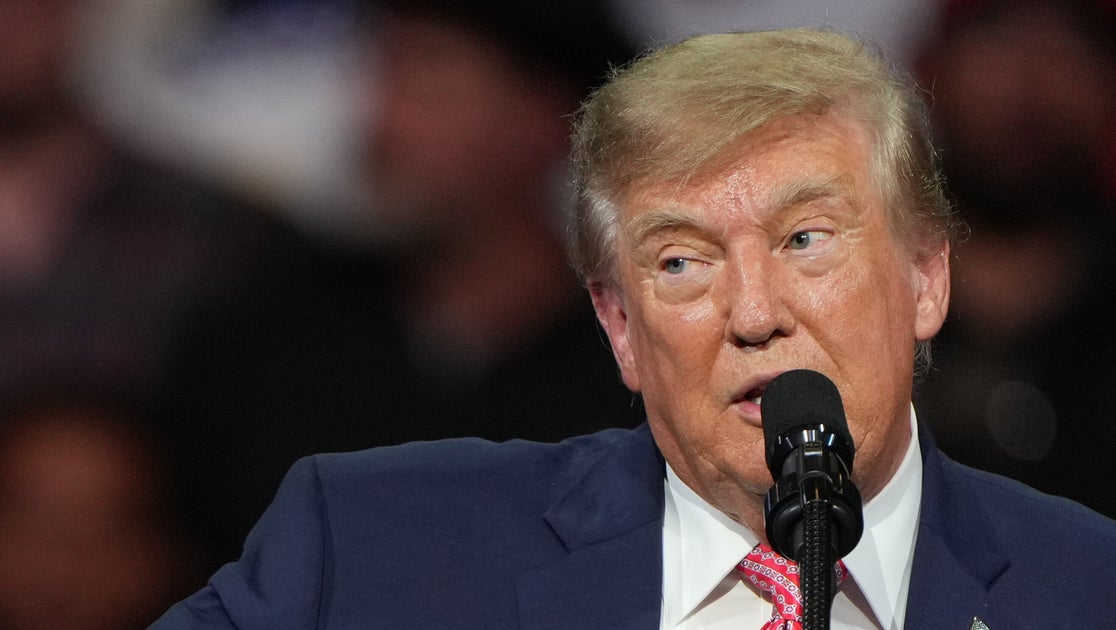
Trump Backs Marshall in Kansas Senate Race Tightened by Farm Costs
President Trump rallied in deep-red Kansas for GOP Sen. Roger Marshall in a competitive race, announcing an $8 billion farm fuel relief program amid high diesel prices. Democrats see an opening to end 94 years of GOP dominance in the state.

Trump Pauses Russia Sanctions Amid Ukraine Tensions and Missile Strikes
Trump waived sanctions on Russia and floated trilateral talks with Putin and Xi as part of ending the Ukraine war, while tensions rose with Zelenskyy over Starlink and arms. Bipartisan senators engaged Zelenskyy amid the shifts.
The Compass
You just read five takes on one story.
What's your take? Find your political shape in a few minutes.
Take the test