
Trump's $1.8 Billion Fund for Alleged Government Overreach Faces Bipartisan Pushback
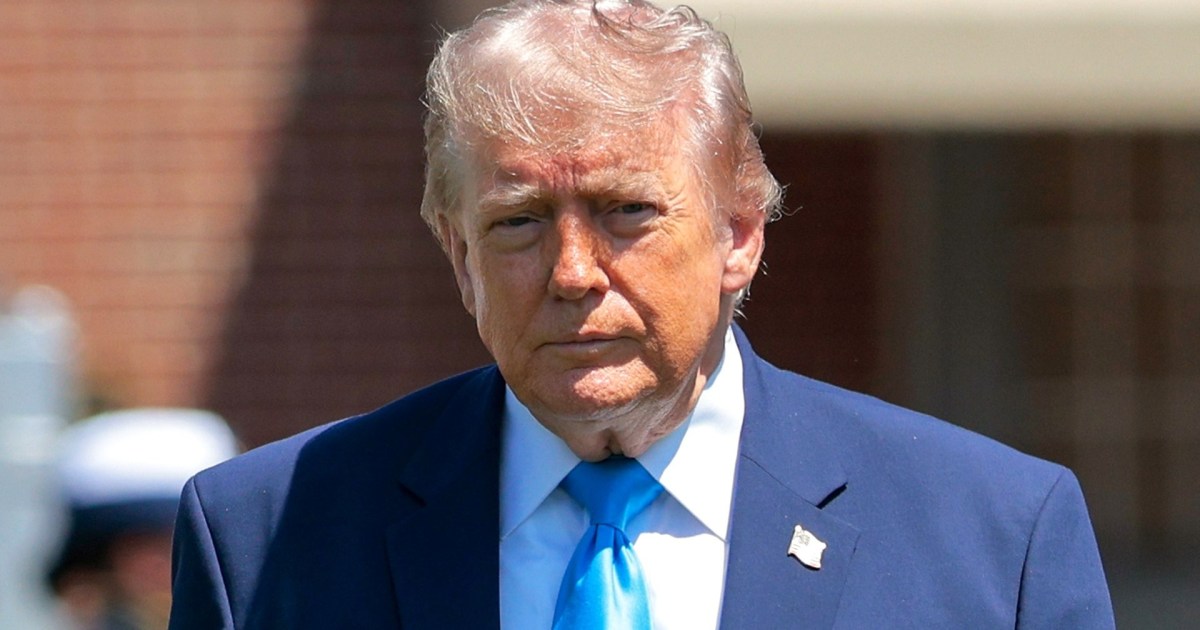
Cover image from today.com, which was analyzed for this article
President Trump established a large fund critics label a slush fund for allies and rioters, prompting legal challenges and GOP unease on Capitol Hill. Allies are already applying while Democrats push subpoenas and question its legality.
PoliticalOS
Thursday, May 21, 2026 — Politics
The $1.8 billion fund exists because of a legal settlement, not a new congressional appropriation, yet its eligibility rules and oversight remain undefined. Lawmakers in both parties are exploring ways to impose limits or block disbursements before claims begin. The outcome will test how far the executive branch can use existing settlement mechanisms to address politically charged grievances without fresh legislative approval.
What outlets missed
Most outlets omitted that the fund originated in a formal settlement resolving a $10 billion lawsuit Trump filed against the IRS over tax-return leaks, complete with a government apology and no direct payout to the president. Few explained the Judgment Fund’s statutory history or noted that earlier large-scale uses under prior administrations also bypassed new congressional appropriations. Coverage rarely mentioned the five-member commission structure or the explicit White House statement that Trump and his family are ineligible. Legal challenges from Capitol Police officers and the precise December 2028 claims deadline received little attention outside congressional testimony summaries.
New Federal Fund for Legal Claims Draws Scrutiny Over Process and Costs
The Justice Department has established a nearly $1.8 billion fund to compensate individuals who claim they faced improper legal actions by federal authorities. The program emerged from a settlement between President Trump and the IRS that resolved a lawsuit over the unauthorized release of his tax returns. Officials describe the fund as a way to address patterns of alleged government overreach without partisan restrictions on eligibility.
The money comes from the Judgment Fund, a longstanding account Congress created to cover court-ordered payments and settlements against the government. Created in 1956 with an initial cap later removed, the fund operates outside annual appropriations and has grown into a broad mechanism for resolving disputes. Acting Attorney General Todd Blanche and four other appointees will oversee claims, with one member selected after consultation with Congress. No specific criteria for payouts or maximum awards have been released.
Critics on Capitol Hill have questioned the arrangement. Several Republican lawmakers expressed reservations about the fund's structure and its reliance on taxpayer resources. Rep. Kevin Kiley noted that it creates a system for distributing public money with limited visible public benefit, while Rep. Don Bacon described the setup as unusual because the executive branch is effectively negotiating with itself over the terms. Senate Republicans have discussed adding legislative restrictions through budget legislation to impose clearer boundaries.
The fund's potential beneficiaries have begun to surface. Lawyers for some January 6 defendants have indicated interest in seeking restitution for legal expenses and other losses. Media outlets that faced defamation suits after the 2020 election, including One America News, are reportedly evaluating claims to recover settlement costs. Mark McCloskey, a St. Louis attorney involved in both the 2020 protests and January 6 cases, said clients are preparing applications once procedures are clarified.
Legal experts have raised questions about whether the settlement properly channels funds through the Judgment Fund and whether the criteria will remain consistent across different administrations. Past uses of the fund have covered everything from contract disputes to civil rights judgments, but tying it to a president's personal litigation introduces new questions about accountability and precedent.
Observers note that compensation programs of this scale often create incentives for expanded claims. Without strict definitions of eligibility or independent review, the process risks favoring those with political connections or high-profile cases over ordinary disputes. Historical patterns show that once such mechanisms exist, demand tends to grow and administrative discretion expands.
The administration maintains that the fund will operate transparently and that any eligible party, regardless of affiliation, may apply. Details on application procedures and review standards are still forthcoming. Congressional oversight committees have already signaled interest in examining the settlement documents and the selection process for fund administrators.
You just read Conservative's take. Want to read what actually happened?
More in Politics

Trump Defends Ramaswamy Ad Using Estranged Mother in Ohio Race
President Trump defended a GOP nominee's ad featuring a Democratic opponent's estranged mother, calling it powerful, while drawing criticism from some Republicans including Ohio Gov. Mike DeWine. The ad has sparked internal GOP tensions ahead of midterms.
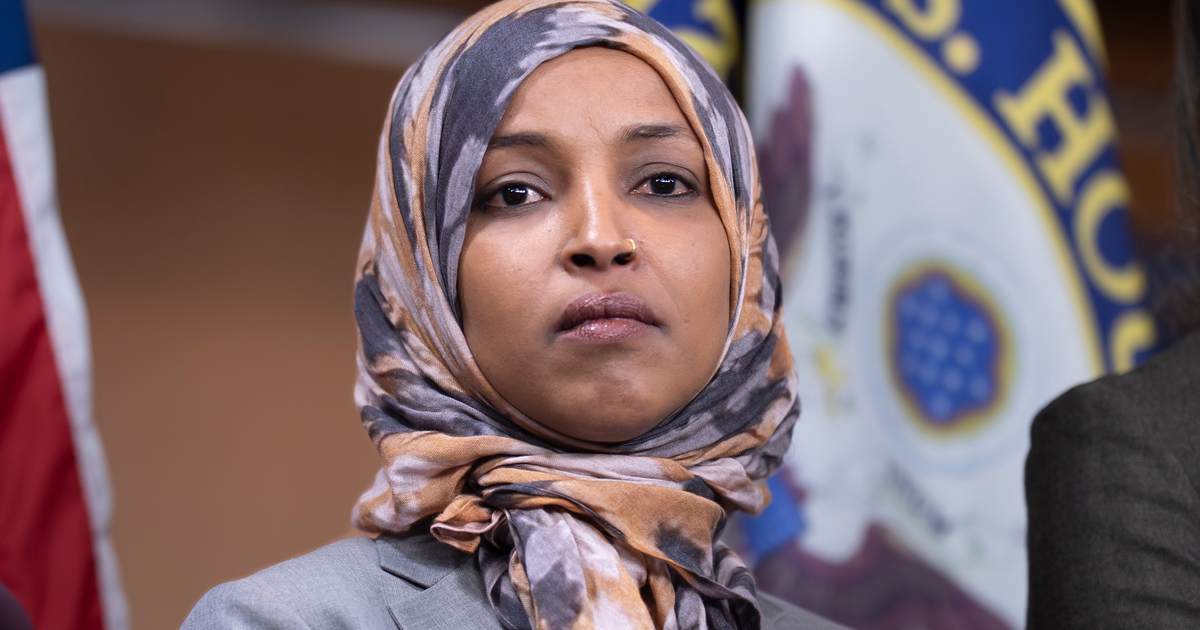
Federal Raid Targets Omar Amid Unresolved Name and Marriage Allegations
Agents searched Rep. Ilhan Omar's DC residence over immigration fraud allegations; she called it bizarre. Reports and commentary questioned her birth name and past marriage details.

Supreme Court Upholds New Hampshire Student ID Voting Ban
The Supreme Court upheld New Hampshire's ban on student IDs as valid voter identification just before midterms, affecting a tight Senate race.
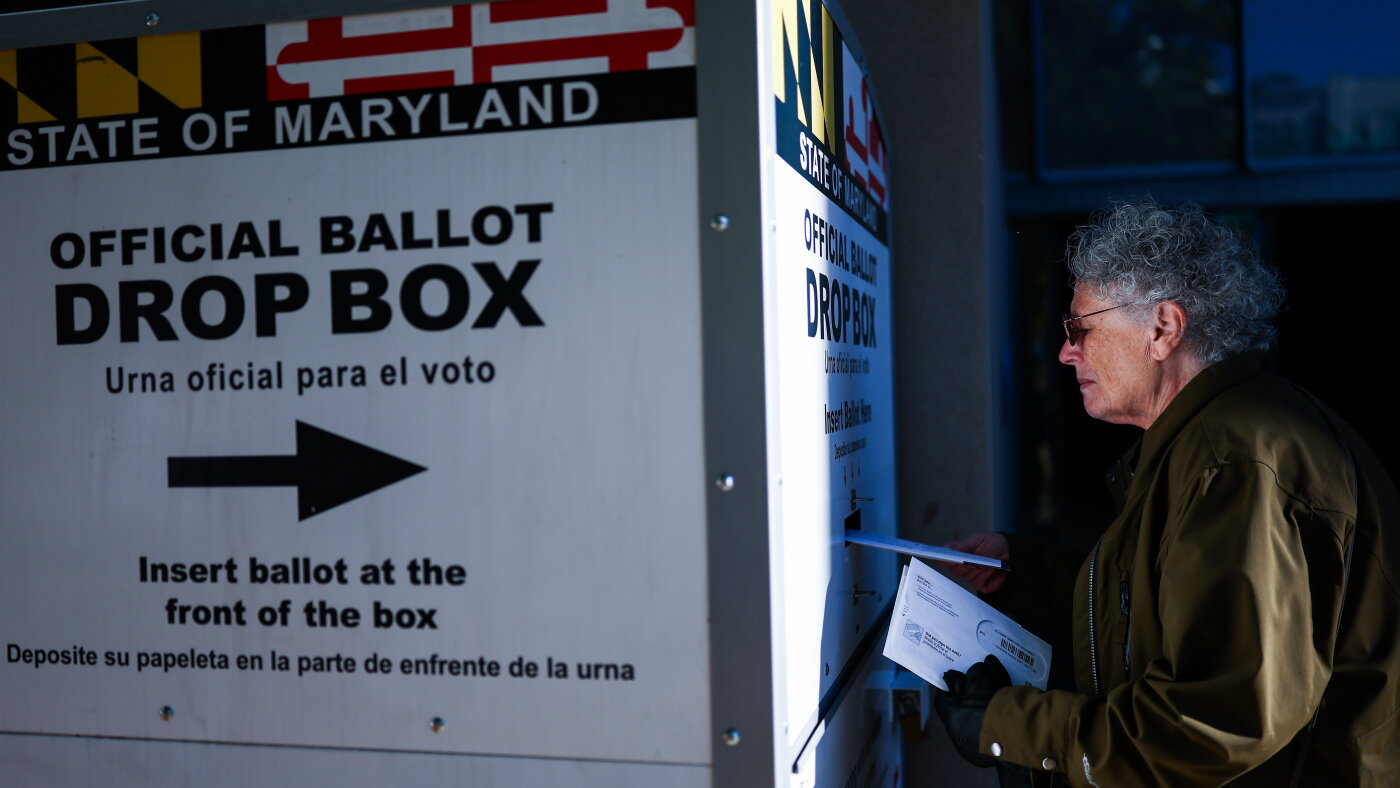
Early Voting Hits 21 Million as Most Trust Midterm Accuracy
Millions have already voted early as parties make final appeals amid $1.4 billion in ad spending; polls show confidence in election accuracy.
The Compass
You just read five takes on one story.
What's your take? Find your political shape in a few minutes.
Take the test