
Trump's $1.8 Billion Fund for Alleged Government Overreach Faces Bipartisan Pushback
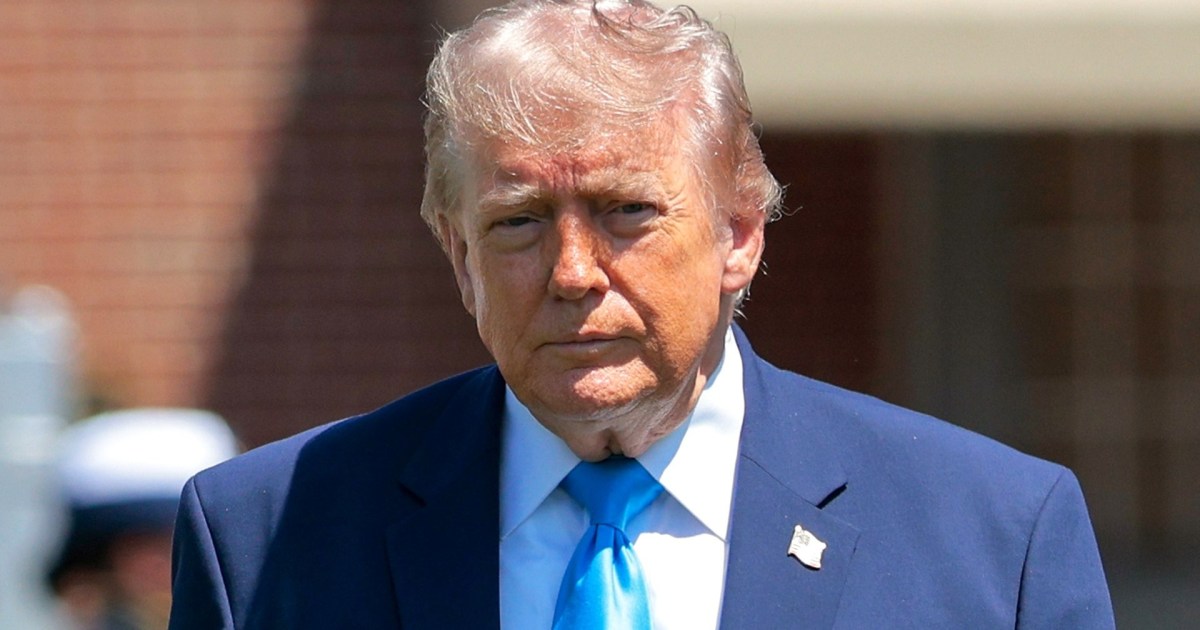
Cover image from today.com, which was analyzed for this article
President Trump established a large fund critics label a slush fund for allies and rioters, prompting legal challenges and GOP unease on Capitol Hill. Allies are already applying while Democrats push subpoenas and question its legality.
PoliticalOS
Thursday, May 21, 2026 — Politics
The $1.8 billion fund exists because of a legal settlement, not a new congressional appropriation, yet its eligibility rules and oversight remain undefined. Lawmakers in both parties are exploring ways to impose limits or block disbursements before claims begin. The outcome will test how far the executive branch can use existing settlement mechanisms to address politically charged grievances without fresh legislative approval.
What outlets missed
Most outlets omitted that the fund originated in a formal settlement resolving a $10 billion lawsuit Trump filed against the IRS over tax-return leaks, complete with a government apology and no direct payout to the president. Few explained the Judgment Fund’s statutory history or noted that earlier large-scale uses under prior administrations also bypassed new congressional appropriations. Coverage rarely mentioned the five-member commission structure or the explicit White House statement that Trump and his family are ineligible. Legal challenges from Capitol Police officers and the precise December 2028 claims deadline received little attention outside congressional testimony summaries.
Trump's Anti-Weaponization Fund Draws Fire from Establishment Republicans
The Justice Department has created a nearly $1.8 billion fund to compensate Americans who say federal agencies and courts targeted them unfairly, and the move is already stirring resistance on Capitol Hill. The money comes from the Treasury's Judgment Fund as part of a settlement in President Trump's long-running dispute with the IRS over the improper release of his tax returns. Officials describe the program as a way to address documented cases of lawfare and selective prosecution that intensified in recent years.
The fund will be run by a five-member panel appointed by Acting Attorney General Todd Blanche, with one seat filled after consultation with Congress. No strict partisan test appears in the agreement, yet early signals suggest many applicants will come from the ranks of those who clashed with prior administrations. Lawyers for January 6 defendants, including former Proud Boys leader Enrique Tarrio, have indicated they intend to file claims. Mark McCloskey, the St. Louis attorney known for his 2020 confrontation with protesters, said he is preparing applications both for himself and for clients he represents from that day. One America News Network is also weighing a submission to recover penalties paid in defamation cases tied to 2020 election coverage.
Republican lawmakers have not lined up uniformly behind the effort. Rep. Brian Fitzpatrick of Pennsylvania called the fund bad news and vowed to block it. Rep. Kevin Kiley of California described the setup as strange and unprecedented, arguing that unilateral payouts of taxpayer money lack clear public purpose. Rep. Don Bacon of Nebraska questioned the propriety of the president effectively negotiating with his own administration over public funds. Senate Republicans are reportedly exploring language in upcoming spending bills to add oversight or limits.
Critics point to the broad language in the settlement, which does not cap individual awards or define precise eligibility rules. The Judgment Fund has existed since 1956 and has paid out billions in past government liability cases without annual appropriations, a structure that gives the executive branch wide latitude once a claim is approved. Supporters of the new program counter that existing mechanisms already favor well-connected plaintiffs and that this fund simply opens the process to people previously ignored by federal agencies.
The political split inside the GOP reflects longer-running tensions over foreign policy and domestic priorities. Some members who once embraced America First rhetoric now appear more comfortable with institutional guardrails that shield agencies from scrutiny. Meanwhile, right-leaning outlets and advocacy groups that faced multimillion-dollar judgments after challenging official narratives see the fund as a rare opportunity for financial recovery. Whether the program survives congressional pushback or expands to include additional categories of claimants will depend on how quickly the administration releases application details and how aggressively House and Senate appropriators move to constrain it.
You just read America First's take. Want to read what actually happened?
More in Politics
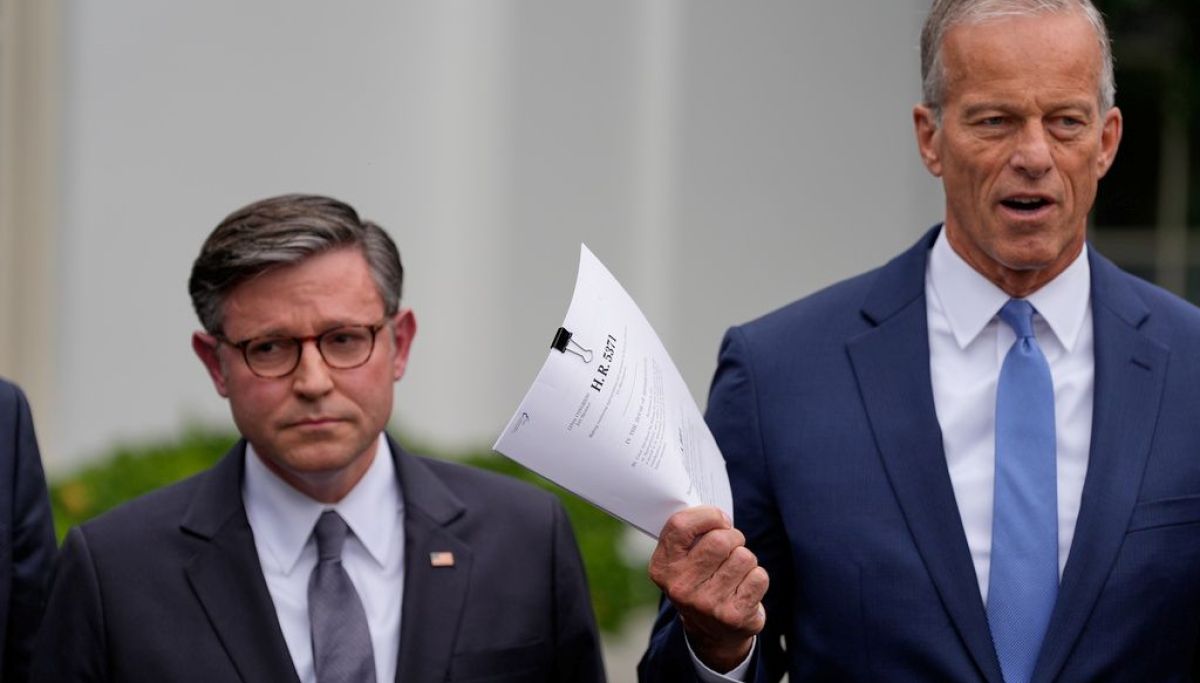
Trump at 32% Approval as Gas Prices Test GOP Midterm Hopes
NYT/Siena polling showed Trump's approval at historic lows around 32 percent with Democrats leading by double digits in key districts. Early voting has surged in battleground states.

Record Early Voting Hits Battlegrounds, Shifting Partisan Shares
AP analysis found hundreds of thousands more early ballots than in 2022 in states including Texas, Ohio, Kansas, Maine, and North Carolina, shifting partisan dynamics.
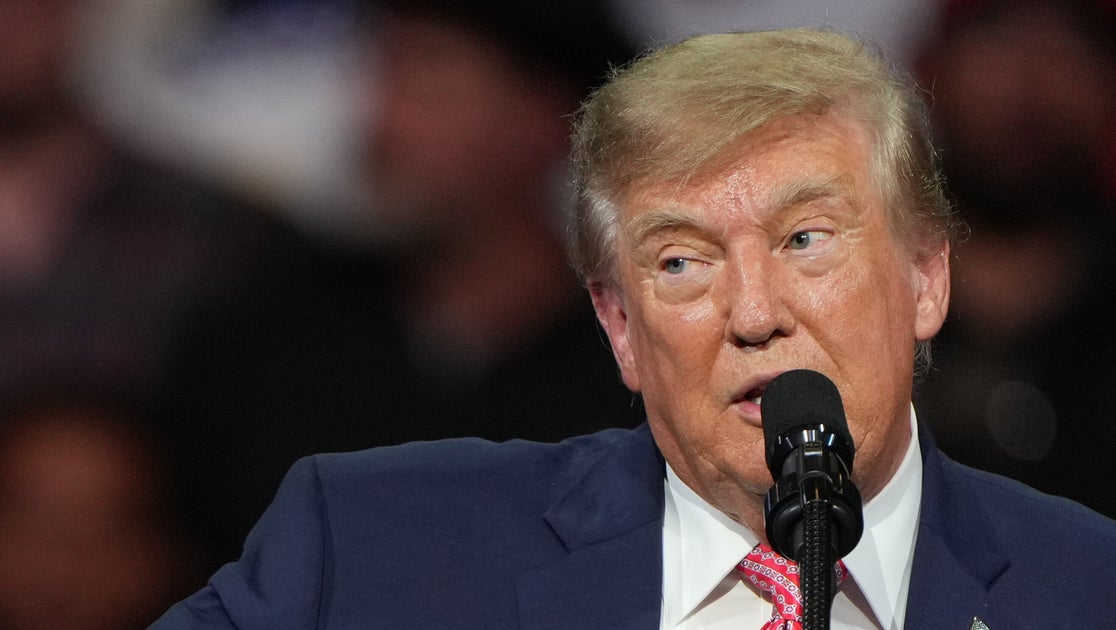
Trump Backs Marshall in Kansas Senate Race Tightened by Farm Costs
President Trump rallied in deep-red Kansas for GOP Sen. Roger Marshall in a competitive race, announcing an $8 billion farm fuel relief program amid high diesel prices. Democrats see an opening to end 94 years of GOP dominance in the state.

Trump Pauses Russia Sanctions Amid Ukraine Tensions and Missile Strikes
Trump waived sanctions on Russia and floated trilateral talks with Putin and Xi as part of ending the Ukraine war, while tensions rose with Zelenskyy over Starlink and arms. Bipartisan senators engaged Zelenskyy amid the shifts.
The Compass
You just read five takes on one story.
What's your take? Find your political shape in a few minutes.
Take the test