
Trump's $1.8 Billion Fund for Alleged Government Overreach Faces Bipartisan Pushback
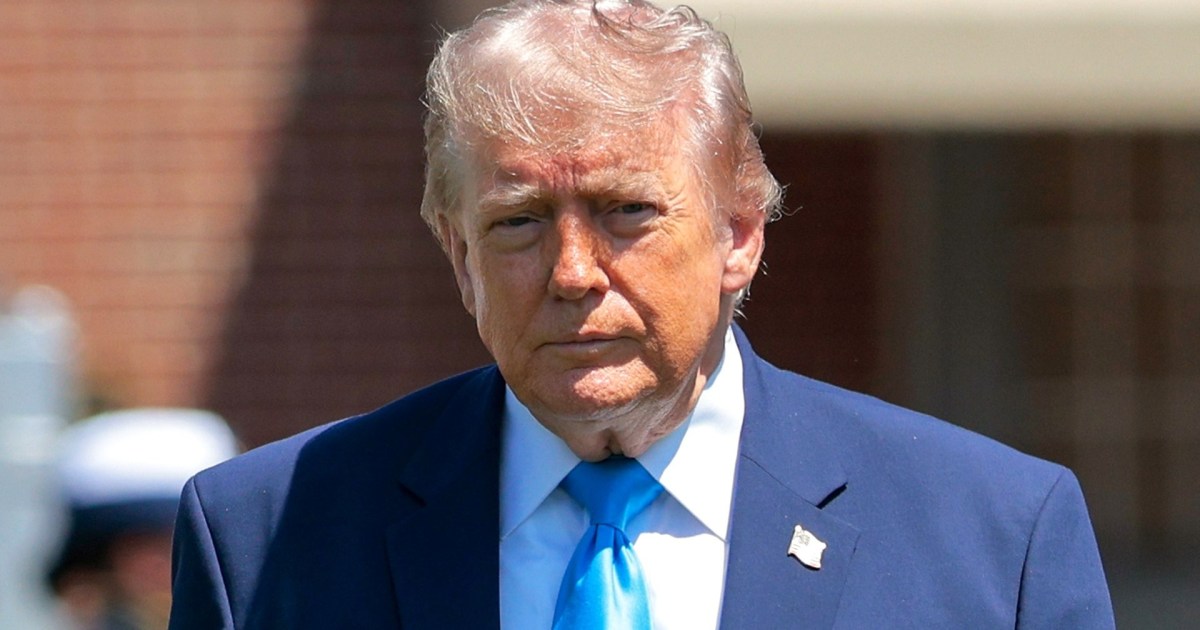
Cover image from today.com, which was analyzed for this article
President Trump established a large fund critics label a slush fund for allies and rioters, prompting legal challenges and GOP unease on Capitol Hill. Allies are already applying while Democrats push subpoenas and question its legality.
PoliticalOS
Thursday, May 21, 2026 — Politics
The $1.8 billion fund exists because of a legal settlement, not a new congressional appropriation, yet its eligibility rules and oversight remain undefined. Lawmakers in both parties are exploring ways to impose limits or block disbursements before claims begin. The outcome will test how far the executive branch can use existing settlement mechanisms to address politically charged grievances without fresh legislative approval.
What outlets missed
Most outlets omitted that the fund originated in a formal settlement resolving a $10 billion lawsuit Trump filed against the IRS over tax-return leaks, complete with a government apology and no direct payout to the president. Few explained the Judgment Fund’s statutory history or noted that earlier large-scale uses under prior administrations also bypassed new congressional appropriations. Coverage rarely mentioned the five-member commission structure or the explicit White House statement that Trump and his family are ineligible. Legal challenges from Capitol Police officers and the precise December 2028 claims deadline received little attention outside congressional testimony summaries.
Trump's Slush Fund for Allies and Insurrectionists Draws Sharp Pushback
President Donald Trump's administration has established a nearly $1.8 billion fund to compensate individuals claiming they faced "weaponization" of the legal system, a move that has triggered immediate bipartisan criticism and fresh questions about the use of taxpayer dollars to reward political allies.
The Justice Department announced the program this week as part of a settlement resolving a civil lawsuit Trump and his sons filed against the IRS over the leak of his tax returns. Officials described the "anti-weaponization fund" as a mechanism to address claims of lawfare and government overreach, with no partisan requirements for applicants. The money would come from the federal Judgment Fund, an account Congress created decades ago to cover settlements against the government.
Republicans on Capitol Hill have voiced strong reservations about the arrangement. Rep. Brian Fitzpatrick of Pennsylvania called the fund "bad news" and said he would work to block it. Rep. Kevin Kiley, who caucuses with Republicans, described the setup as "incredibly strange, very unusual, probably unprecedented" and questioned the unilateral distribution of public funds without clear public benefit. Rep. Don Bacon of Nebraska said the process felt improper because it amounted to the president negotiating with himself over taxpayer money.
Legal experts have raised concerns about oversight and eligibility standards. The settlement provides for a five-member panel to review claims, with four members appointed by Acting Attorney General Todd Blanche and one selected in consultation with Congress. Neither the Justice Department nor the White House has detailed the criteria for payouts or whether there will be limits on individual awards. Some analysts note that past Trump administration actions suggest the fund could disproportionately benefit his supporters.
Reports indicate that potential claimants already include individuals involved in the Jan. 6 Capitol attack and right-wing media outlets facing past legal penalties. Lawyers for Enrique Tarrio, the former Proud Boys leader, have signaled plans to file a claim. One America News has reportedly considered seeking compensation for losses tied to defamation settlements with voting machine companies. Mark McCloskey, the St. Louis attorney known for his 2020 confrontation with protesters, said he is preparing applications both for himself and for Jan. 6 defendants he represents.
Vice President JD Vance has stated that anyone, including Democrats, could apply. Critics argue the broad language leaves room for politically motivated distributions that reward loyalty rather than address genuine grievances. The fund's creation follows years of Trump allies framing investigations into the president and his associates as politically driven persecution.
Senate Republicans are examining options to add restrictions, possibly through the budget process. In the House, some centrist members have signaled they may support efforts to examine the fund's legality and implementation. The episode has added to existing Republican unease over Trump's influence, with some lawmakers wary of being tied to a program that could appear to prioritize personal and political payback over standard governance.
The fund's rollout comes at a time when polls show Trump facing low marks on economic issues, further complicating efforts to maintain party unity. While the administration presents the program as redress for past abuses, its structure and early signals about applicants have left even some traditional allies questioning whether it crosses into outright favoritism with public resources.
You just read Progressive's take. Want to read what actually happened?
More in Politics

Trump at 32% Approval as Gas Prices Test GOP Midterm Hopes
NYT/Siena polling showed Trump's approval at historic lows around 32 percent with Democrats leading by double digits in key districts. Early voting has surged in battleground states.

Record Early Voting Hits Battlegrounds, Shifting Partisan Shares
AP analysis found hundreds of thousands more early ballots than in 2022 in states including Texas, Ohio, Kansas, Maine, and North Carolina, shifting partisan dynamics.

Trump Backs Marshall in Kansas Senate Race Tightened by Farm Costs
President Trump rallied in deep-red Kansas for GOP Sen. Roger Marshall in a competitive race, announcing an $8 billion farm fuel relief program amid high diesel prices. Democrats see an opening to end 94 years of GOP dominance in the state.

Trump Pauses Russia Sanctions Amid Ukraine Tensions and Missile Strikes
Trump waived sanctions on Russia and floated trilateral talks with Putin and Xi as part of ending the Ukraine war, while tensions rose with Zelenskyy over Starlink and arms. Bipartisan senators engaged Zelenskyy amid the shifts.
The Compass
You just read five takes on one story.
What's your take? Find your political shape in a few minutes.
Take the test