
Trump Weighs New Taiwan Arms Package After Xi Summit

Cover image from latimes.com, which was analyzed for this article
Following talks in Beijing, the administration is weighing additional weapons support for Taiwan. The move is viewed partly as leverage in broader US-China negotiations.
PoliticalOS
Sunday, May 17, 2026 — Politics
The central unresolved issue is whether new U.S. arms for Taiwan will deter Beijing or prompt the confrontation both governments publicly seek to avoid. Semiconductor dependence makes any decision economically consequential within a short window. Readers should track whether the package advances or stalls as the clearest signal of Washington’s post-summit direction.
What outlets missed
Most accounts omitted Trump’s explicit public statement that he does not believe Xi wants conflict over Taiwan, leaving adviser warnings without that direct counterpoint. Chinese Foreign Ministry language on agreed strategic stability was also absent from several pieces, as were any details on the size or timing of the arms package under review. Concrete reactions from Taiwan’s government and from U.S. chip manufacturers were not included despite their direct stake in supply-chain continuity.
Trump Summit With Xi Highlights Taiwan Risks Over Trade Gains
President Trump returned from a two-day visit to Beijing with Chinese leader Xi Jinping amid signs that the trip produced more pageantry than concrete progress on economic or security fronts. Advisers close to the president expressed concern that the optics of partnership may have emboldened Beijing on the question of Taiwan without securing firm commitments to protect critical supply chains.
Chinese state media portrayed the meetings as evidence of American decline, reviving a sarcastic nickname for Trump as a builder of Chinese strength rather than U.S. interests. Officials in Beijing offered little in the way of new trade concessions or limits on technology transfers. The administration countered that the visit restored a tone of dialogue after years of friction, securing public displays of cooperation that Trump had sought. Yet analysts noted the absence of measurable outcomes on issues such as market access or intellectual property protections.
The sharper worry among some Trump advisers centers on Taiwan. One official described the summit as signaling a higher probability that Beijing could move against the island within five years. Taiwan produces the bulk of advanced semiconductors that power artificial intelligence systems and other high-technology sectors. Any disruption there would leave U.S. firms exposed at a time when domestic chip production remains years away from meaningful self-sufficiency. The economic stakes extend beyond defense contracts to everyday manufacturing and consumer goods reliant on those components.
Historical patterns suggest that authoritarian regimes test resolve after periods of apparent accommodation. Past U.S. administrations reached similar conclusions about the limits of engagement with China, yet incentives within the Chinese system favor consolidation of control over disputed territory. Economic interdependence has not prevented territorial ambitions elsewhere, and supply-chain vulnerabilities amplify the cost of miscalculation.
Trump received credit from some business leaders for pressing on separate fronts involving Iran and Venezuela and for opening avenues that could benefit specific U.S. companies. Those gains remain narrow compared with the broader risk that reliance on foreign production of essential inputs creates. Market signals already point toward diversification, but government policies that distort investment through subsidies or mandates can slow the very adaptation that competitive pressures would otherwise encourage.
Cultural and institutional factors inside China also shape outcomes more than summit statements. Centralized decision-making reduces the feedback that dispersed knowledge provides in open economies. This structural difference makes long-term predictions about Beijing's choices difficult yet underscores why contingency planning for supply disruptions deserves priority over optimistic rhetoric about partnership.
You just read Conservative's take. Want to read what actually happened?
More in Politics

Trump Defends Ramaswamy Ad Using Estranged Mother in Ohio Race
President Trump defended a GOP nominee's ad featuring a Democratic opponent's estranged mother, calling it powerful, while drawing criticism from some Republicans including Ohio Gov. Mike DeWine. The ad has sparked internal GOP tensions ahead of midterms.
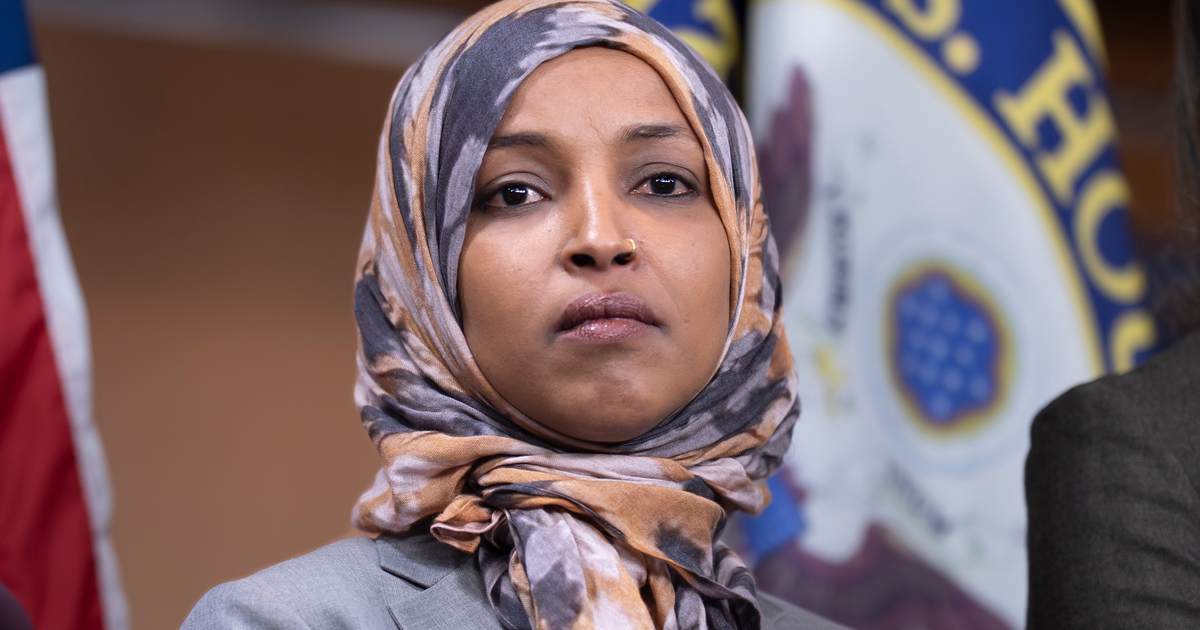
Federal Raid Targets Omar Amid Unresolved Name and Marriage Allegations
Agents searched Rep. Ilhan Omar's DC residence over immigration fraud allegations; she called it bizarre. Reports and commentary questioned her birth name and past marriage details.

Supreme Court Upholds New Hampshire Student ID Voting Ban
The Supreme Court upheld New Hampshire's ban on student IDs as valid voter identification just before midterms, affecting a tight Senate race.
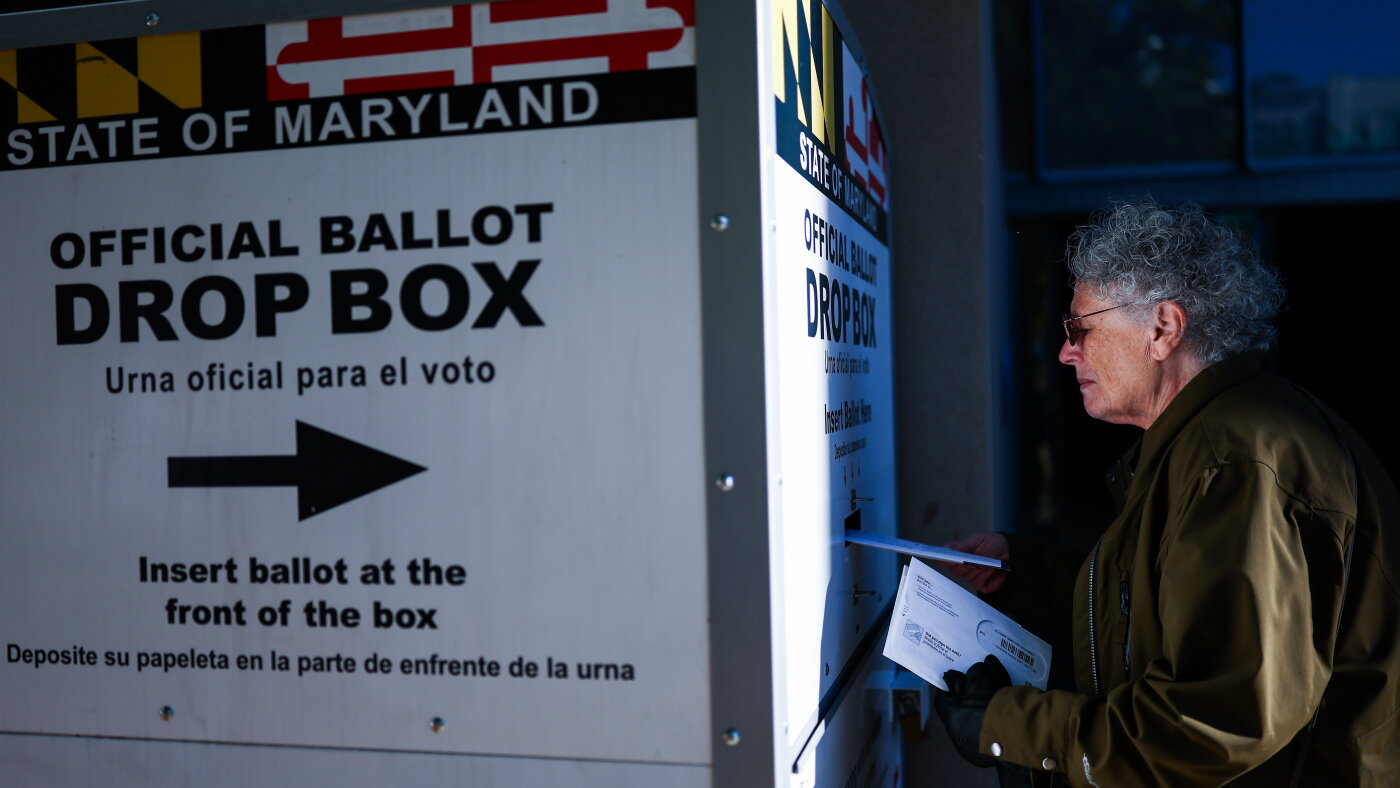
Early Voting Hits 21 Million as Most Trust Midterm Accuracy
Millions have already voted early as parties make final appeals amid $1.4 billion in ad spending; polls show confidence in election accuracy.
The Compass
You just read five takes on one story.
What's your take? Find your political shape in a few minutes.
Take the test