
Trump Weighs New Taiwan Arms Package After Xi Summit

Cover image from latimes.com, which was analyzed for this article
Following talks in Beijing, the administration is weighing additional weapons support for Taiwan. The move is viewed partly as leverage in broader US-China negotiations.
PoliticalOS
Sunday, May 17, 2026 — Politics
The central unresolved issue is whether new U.S. arms for Taiwan will deter Beijing or prompt the confrontation both governments publicly seek to avoid. Semiconductor dependence makes any decision economically consequential within a short window. Readers should track whether the package advances or stalls as the clearest signal of Washington’s post-summit direction.
What outlets missed
Most accounts omitted Trump’s explicit public statement that he does not believe Xi wants conflict over Taiwan, leaving adviser warnings without that direct counterpoint. Chinese Foreign Ministry language on agreed strategic stability was also absent from several pieces, as were any details on the size or timing of the arms package under review. Concrete reactions from Taiwan’s government and from U.S. chip manufacturers were not included despite their direct stake in supply-chain continuity.
Trump's Beijing Summit Hands China a Clear Edge on Taiwan
The images from President Trump's recent visit to Beijing were heavy on pageantry and handshakes, yet they left a trail of unease among his own advisers. Chinese officials rolled out the red carpet with garden tours and flattering nicknames like "Nation Builder," but behind the smiles the message was unmistakable. Xi Jinping positioned his country as America's equal and made plain that Taiwan belongs to Beijing.
Trump returned home claiming progress toward cooperation, yet senior voices inside the administration see the opposite. One adviser described the trip as a signal that Xi now feels free to move on Taiwan within five years. The timing could not be worse. American semiconductor supply chains remain heavily dependent on the island, and efforts to build domestic capacity are still years from meaningful scale. If Beijing seizes control, the economic shock would hit far beyond defense contractors and reach straight into the technology that powers everything from cars to artificial intelligence.
The contrast with past American posture is stark. Previous administrations at least maintained the fiction of strategic ambiguity. This visit replaced that caution with visible warmth and a willingness to accept vague assurances. Chinese state media quickly translated the optics into a narrative of American decline, only softening the claim after White House pushback to say the decline applied only under the prior administration. The clarification changed little on the ground. Xi's team left the meetings convinced that economic interdependence and American political divisions would prevent any decisive response.
Critics who favor deeper engagement with Beijing argue that personal rapport between leaders can prevent miscalculation. That view ignores the pattern of the last decade. Each round of summits and trade talks has coincided with stepped-up Chinese pressure on Taiwan, tighter export controls on rare earths, and aggressive influence operations inside the United States. The current approach risks repeating the same cycle under a friendlier label.
Domestic consequences are already visible. Companies that cheered the prospect of new licenses to operate in China now face the reality that any supply-chain disruption in the Taiwan Strait would arrive faster than alternative sources can come online. Farmers and manufacturers who remember the last trade war know how quickly Beijing can weaponize market access. The difference this time is that the leverage would be applied over a military flashpoint rather than tariff disputes.
Supporters of the trip point to Trump's long record of confronting China on trade and technology. That record matters, yet it does not erase the fact that pageantry and personal chemistry have once again substituted for concrete guarantees on Taiwan. Xi left the meetings with his core objectives intact: recognition as a peer power and an implicit understanding that the United States is not prepared to treat the island as a red line worth economic pain.
The larger lesson is familiar. When American leaders prioritize optics and short-term business deals over hard questions of industrial capacity and military readiness, adversaries interpret the signals accurately. Beijing has spent years studying American politics and supply chains. The Beijing summit gave them fresh data points. Whether those points translate into action on Taiwan will depend on choices made in Washington in the months ahead, not on another round of summit photographs.
You just read America First's take. Want to read what actually happened?
More in Politics

Trump Defends Ramaswamy Ad Using Estranged Mother in Ohio Race
President Trump defended a GOP nominee's ad featuring a Democratic opponent's estranged mother, calling it powerful, while drawing criticism from some Republicans including Ohio Gov. Mike DeWine. The ad has sparked internal GOP tensions ahead of midterms.
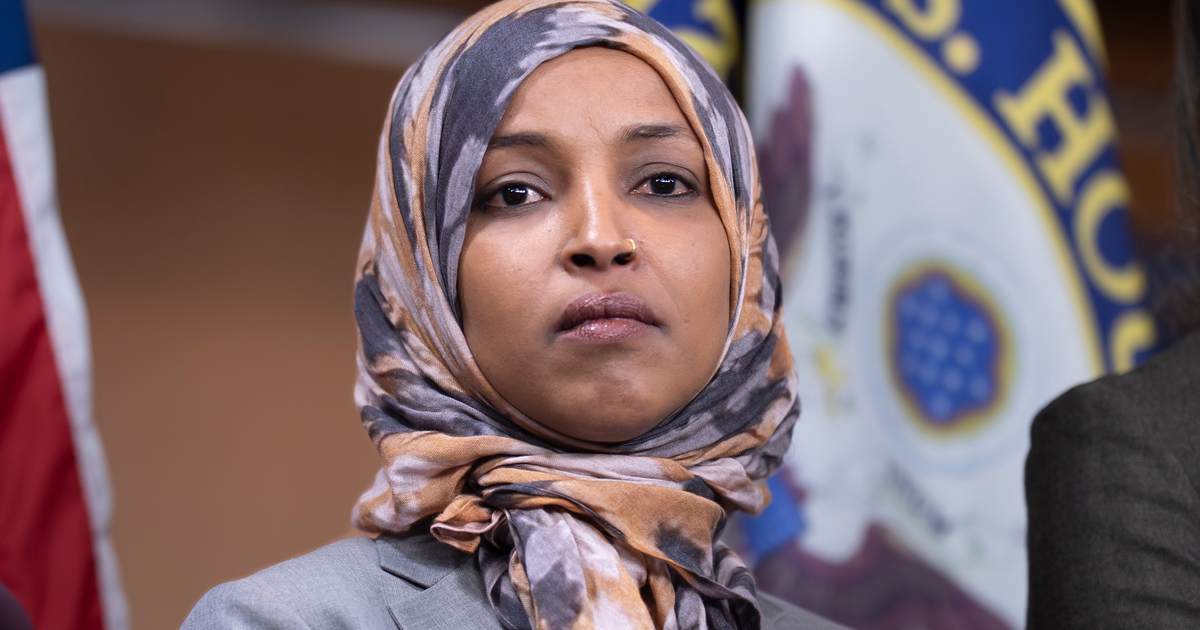
Federal Raid Targets Omar Amid Unresolved Name and Marriage Allegations
Agents searched Rep. Ilhan Omar's DC residence over immigration fraud allegations; she called it bizarre. Reports and commentary questioned her birth name and past marriage details.

Supreme Court Upholds New Hampshire Student ID Voting Ban
The Supreme Court upheld New Hampshire's ban on student IDs as valid voter identification just before midterms, affecting a tight Senate race.
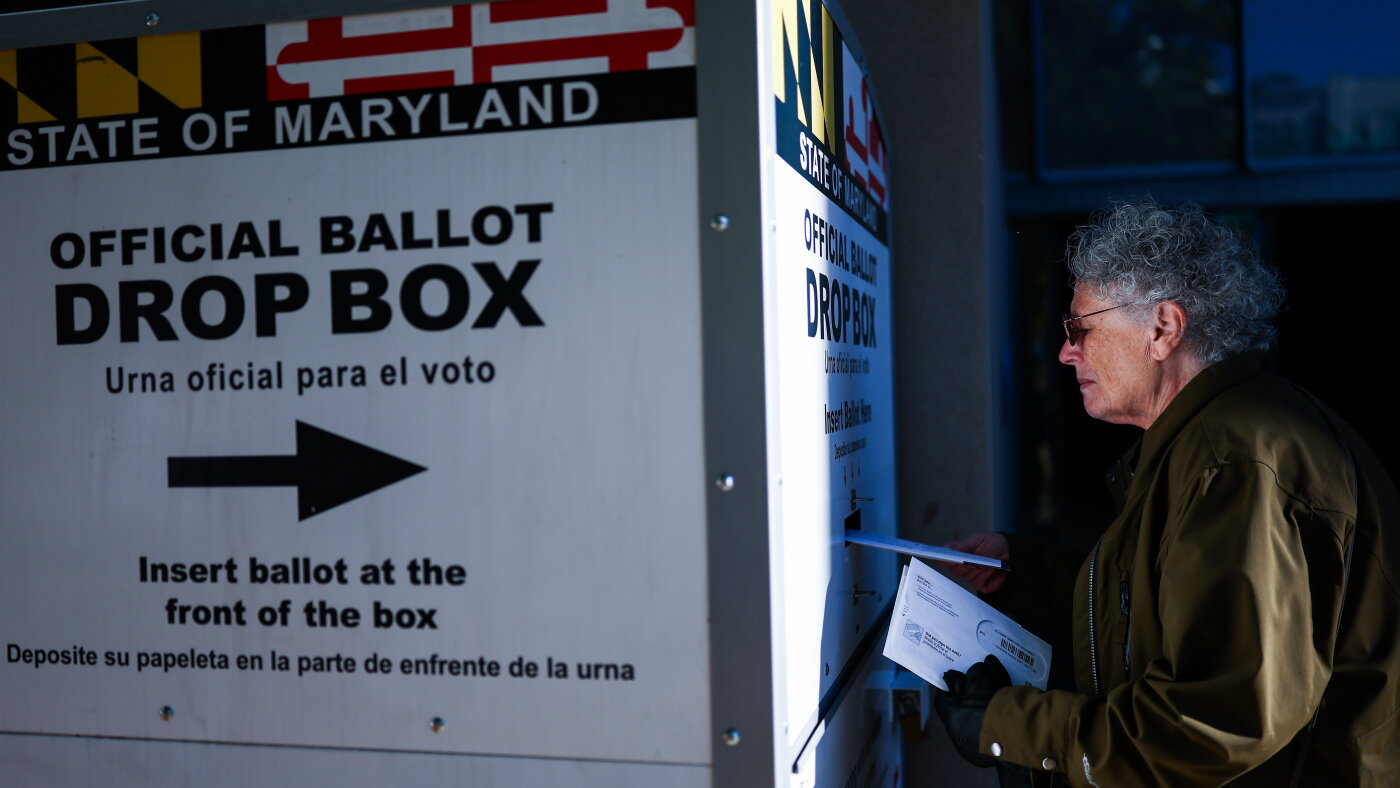
Early Voting Hits 21 Million as Most Trust Midterm Accuracy
Millions have already voted early as parties make final appeals amid $1.4 billion in ad spending; polls show confidence in election accuracy.
The Compass
You just read five takes on one story.
What's your take? Find your political shape in a few minutes.
Take the test