
Trump Signals Direct Call With Taiwan Leader on Arms Deal
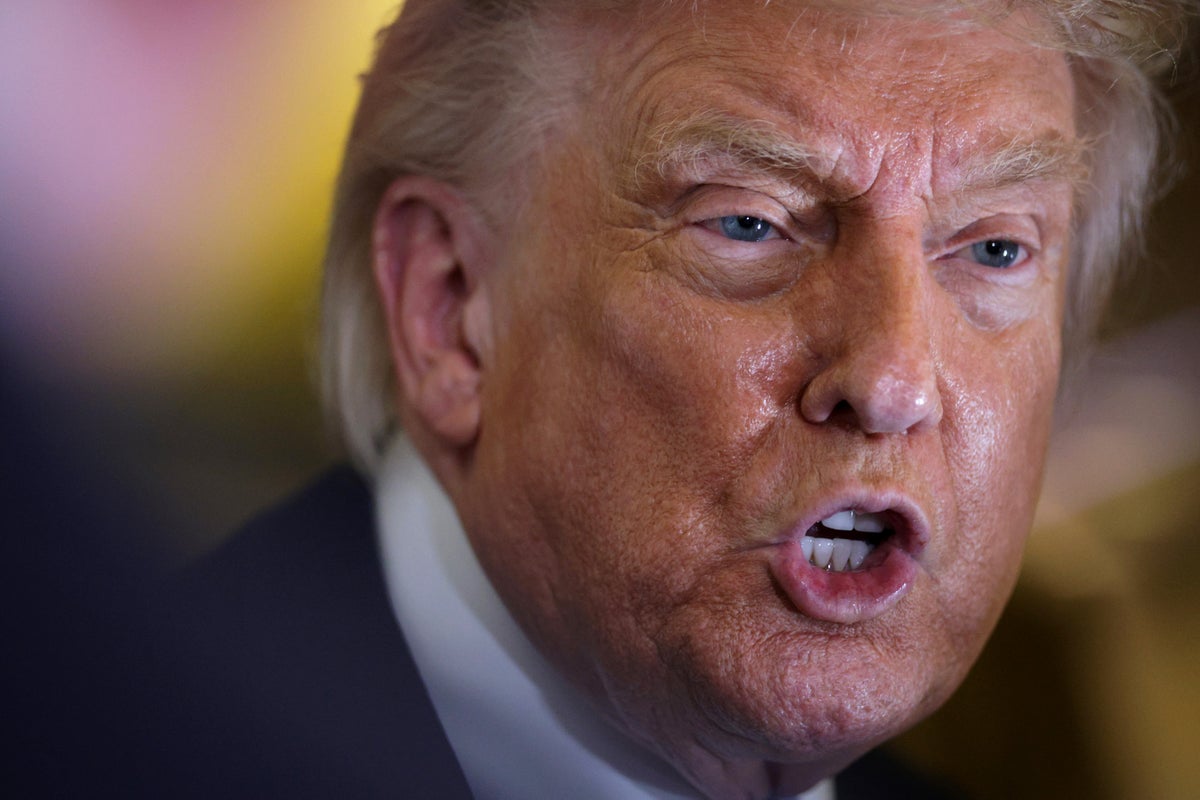
Cover image from independent.co.uk, which was analyzed for this article
President Trump signaled he will speak directly with Taiwan's president about stalled arms deals, a move that risks escalating tensions with China. Taiwan's leader welcomed the prospect of the call.
PoliticalOS
Thursday, May 21, 2026 — Politics
The core issue remains whether Trump will approve the already-cleared arms package and hold the proposed call, actions that test the balance between Taiwan's defense needs and relations with Beijing. Taiwan continues to request weapons and affirm the status quo; China continues to oppose both the sales and any official contact. Readers should track the actual decision on the package and whether any call occurs rather than assuming immediate policy rupture.
What outlets missed
Most coverage omitted that the 2016 Trump-Tsai call produced no sustained rupture in arms sales or diplomatic practice, a fact that directly tests claims of unprecedented risk today. Outlets also underplayed the procedural timeline: the $14 billion package received congressional approval in January 2025 and Taiwan separately approved a $25 billion defense budget to fund US purchases. Few noted that US policy documents explicitly bar Beijing from having any say over arms decisions, leaving readers without the full legal and historical frame for the current standoff.
Trump Challenges Decades of Diplomatic Protocol With Taiwan Call
President Donald Trump said he plans to speak directly with Taiwan President Lai Ching-te about a pending fourteen billion dollar arms package, a move that would end more than forty years of practice and test relations with Beijing. Trump made the remarks Wednesday while fielding questions in Maryland, stating he speaks to everyone and has the Taiwan situation well in hand. He added that the two sides would work on solving the problem.
The proposed conversation comes after Trump met Chinese leader Xi Jinping in Beijing last week. During that visit the two discussed Taiwan at length, with Xi cautioning that mishandling the issue could produce clashes or worse. Trump has described the arms sale as a useful negotiating chip with China, even as Congress cleared the package earlier and Taiwan passed its own twenty five billion dollar defense budget to fund purchases.
No date has been set for the call. Taiwanese officials said Lai would welcome the chance to speak and would stress that Beijing is the source of instability across the strait while Taipei remains committed to the current status quo. American presidents have avoided direct contact with Taiwanese leaders since Washington recognized Beijing in 1979. The last such conversation occurred when Trump, then president-elect, phoned Tsai Ing-wen in 2016 and drew sharp protests from China.
The shift in approach stands out because successive administrations treated the one-China policy as settled ground. Trump has shown little interest in preserving that custom when he believes direct talks can produce better outcomes for American taxpayers and security interests. Critics inside the foreign policy establishment warn the call risks inflaming tensions at a time when supply chains and military planning already assume friction with Beijing. Supporters counter that endless deference has only encouraged Chinese pressure on the island and left the United States holding expensive commitments without clear limits.
The arms sale itself remains undecided. Trump has not confirmed final approval, leaving open the possibility that any conversation with Lai could shape the final package or even serve as leverage in broader trade and technology talks. Taiwan has requested advanced systems to deter an invasion it fears could come if deterrence weakens. Beijing continues to insist it will not rule out force to bring the island under its control.
Whether the call occurs or not, the episode highlights a broader pattern. Trump has repeatedly questioned why the United States should absorb open-ended risks in distant disputes while domestic priorities receive less attention. His willingness to pick up the phone reflects the same instinct that produced direct engagement with North Korea and pressure on NATO allies to spend more on their own defense. In each case the goal has been leverage rather than escalation for its own sake.
For now the White House has offered few details on timing or agenda. Taipei appears ready to engage, while Beijing has yet to issue a formal response beyond the warnings delivered during the recent summit. The outcome will depend less on protocol and more on whether Trump can extract concrete concessions that strengthen American bargaining power without sliding into another prolonged commitment.
You just read America First's take. Want to read what actually happened?
More in Politics
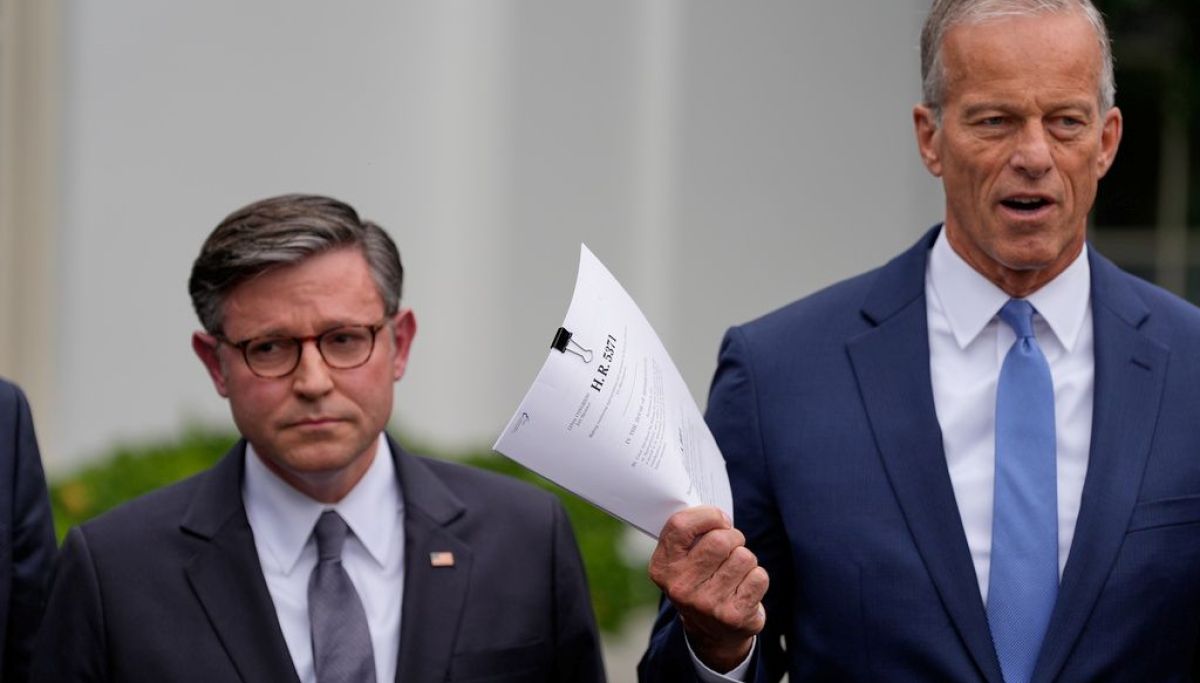
Trump at 32% Approval as Gas Prices Test GOP Midterm Hopes
NYT/Siena polling showed Trump's approval at historic lows around 32 percent with Democrats leading by double digits in key districts. Early voting has surged in battleground states.

Record Early Voting Hits Battlegrounds, Shifting Partisan Shares
AP analysis found hundreds of thousands more early ballots than in 2022 in states including Texas, Ohio, Kansas, Maine, and North Carolina, shifting partisan dynamics.
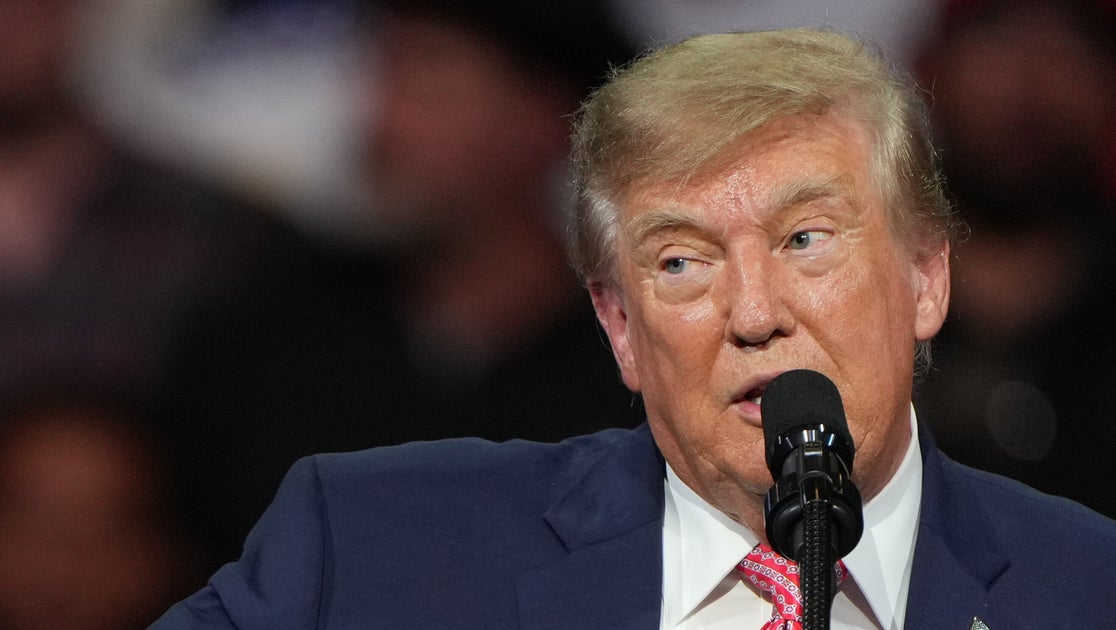
Trump Backs Marshall in Kansas Senate Race Tightened by Farm Costs
President Trump rallied in deep-red Kansas for GOP Sen. Roger Marshall in a competitive race, announcing an $8 billion farm fuel relief program amid high diesel prices. Democrats see an opening to end 94 years of GOP dominance in the state.

Trump Pauses Russia Sanctions Amid Ukraine Tensions and Missile Strikes
Trump waived sanctions on Russia and floated trilateral talks with Putin and Xi as part of ending the Ukraine war, while tensions rose with Zelenskyy over Starlink and arms. Bipartisan senators engaged Zelenskyy amid the shifts.
The Compass
You just read five takes on one story.
What's your take? Find your political shape in a few minutes.
Take the test