
Trump Signals Direct Call With Taiwan Leader on Arms Deal
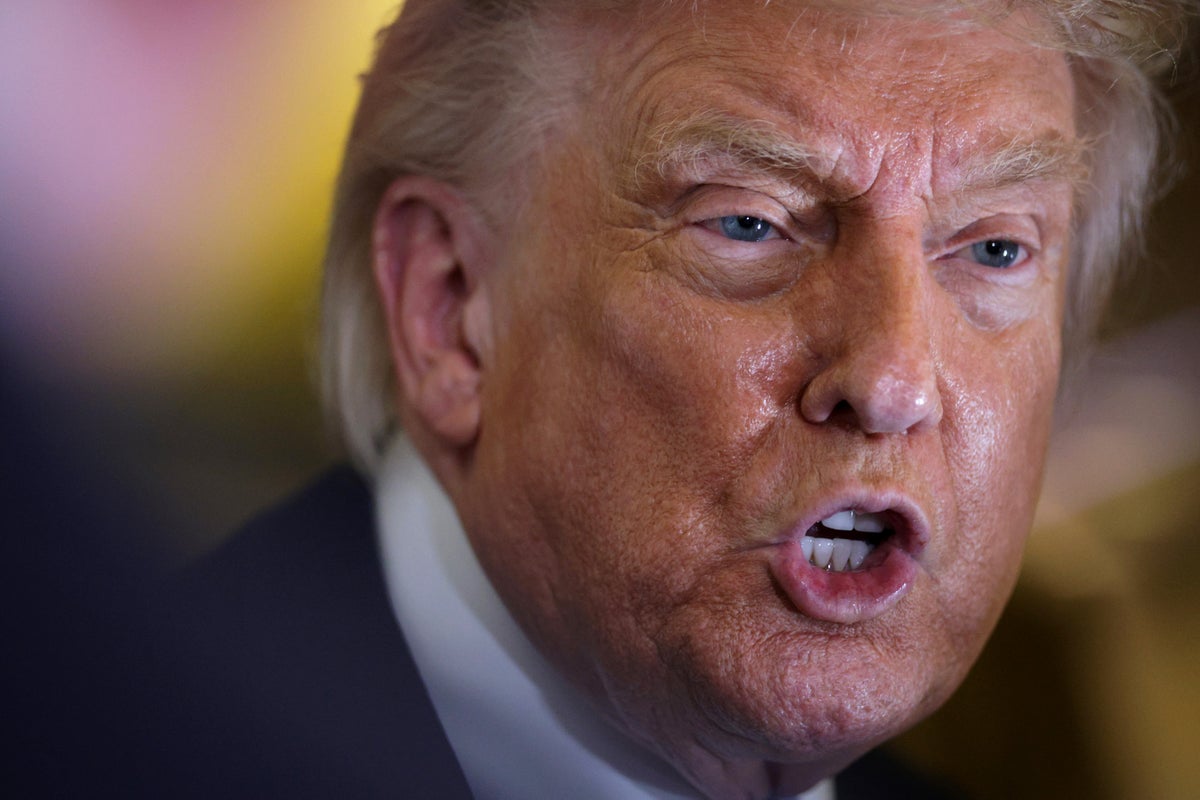
Cover image from independent.co.uk, which was analyzed for this article
President Trump signaled he will speak directly with Taiwan's president about stalled arms deals, a move that risks escalating tensions with China. Taiwan's leader welcomed the prospect of the call.
PoliticalOS
Thursday, May 21, 2026 — Politics
The core issue remains whether Trump will approve the already-cleared arms package and hold the proposed call, actions that test the balance between Taiwan's defense needs and relations with Beijing. Taiwan continues to request weapons and affirm the status quo; China continues to oppose both the sales and any official contact. Readers should track the actual decision on the package and whether any call occurs rather than assuming immediate policy rupture.
What outlets missed
Most coverage omitted that the 2016 Trump-Tsai call produced no sustained rupture in arms sales or diplomatic practice, a fact that directly tests claims of unprecedented risk today. Outlets also underplayed the procedural timeline: the $14 billion package received congressional approval in January 2025 and Taiwan separately approved a $25 billion defense budget to fund US purchases. Few noted that US policy documents explicitly bar Beijing from having any say over arms decisions, leaving readers without the full legal and historical frame for the current standoff.
Trump Signals Direct Contact With Taiwan Leader Breaking Longstanding Diplomatic Protocol
President Donald Trump said he plans to speak directly with Taiwan's President Lai Ching-te to discuss a pending $14 billion arms sale, a move that would end more than four decades of U.S. practice of avoiding such high-level calls. The comments, made to reporters on Wednesday in Maryland, mark the second time in a week that Trump has floated the idea, following his recent state visit to Beijing where Taiwan featured prominently in talks with Chinese leader Xi Jinping.
U.S. presidents have not spoken with their Taiwanese counterparts since 1979, when Washington switched formal diplomatic recognition from Taipei to Beijing under the terms that still govern the relationship today. That shift established the framework under which the United States maintains unofficial ties with Taiwan while acknowledging Beijing's position that the island is part of China. Successive administrations have treated direct presidential contact as a tripwire that could destabilize the delicate balance.
Trump framed the prospective call as routine. "I speak to everybody," he said, adding that the Taiwan situation was "very well in hand." He has described the arms package as a potential "negotiating chip" with China, even as Congress cleared the sale earlier this year and Taiwan approved a special defense budget to fund it. Taiwan's foreign ministry responded that Lai would welcome the conversation and would use it to underscore Taiwan's commitment to the status quo across the strait while noting China's role in undermining regional stability.
Chinese officials have long opposed U.S. arms sales to Taiwan and warned that any perceived upgrade in official contacts risks provoking a crisis. Xi told Trump during their summit that mishandling the issue could produce "clashes and even conflicts," according to accounts of the meeting. Beijing has not yet responded publicly to the latest statements, but past episodes suggest a sharp reaction is likely if a call is confirmed.
The proposed discussion comes at a moment when Taiwan faces sustained military pressure from China, including frequent air and naval incursions near the island. Supporters of closer U.S.-Taiwan security cooperation argue that clearer signaling from Washington strengthens deterrence. Critics worry that abrupt departures from established channels increase the chance of miscalculation on all sides. Trump's approach, which mixes openness to direct talks with uncertainty over the arms sale itself, leaves both Taipei and Beijing parsing mixed signals about where U.S. policy may head.
No date has been set for any conversation, and it remains possible that the idea will not advance. Still, the mere suggestion from a sitting president has already drawn attention from officials in Taipei, who see an opportunity to convey their perspective at the highest level. For Beijing, any such call would test whether the informal guardrails that have contained the Taiwan issue for decades can hold under a more transactional style of diplomacy. The coming weeks will show whether Trump's comments produce a scheduled conversation or remain another round of public speculation.
You just read Liberal's take. Want to read what actually happened?
More in Politics

Trump Defends Ramaswamy Ad Using Estranged Mother in Ohio Race
President Trump defended a GOP nominee's ad featuring a Democratic opponent's estranged mother, calling it powerful, while drawing criticism from some Republicans including Ohio Gov. Mike DeWine. The ad has sparked internal GOP tensions ahead of midterms.
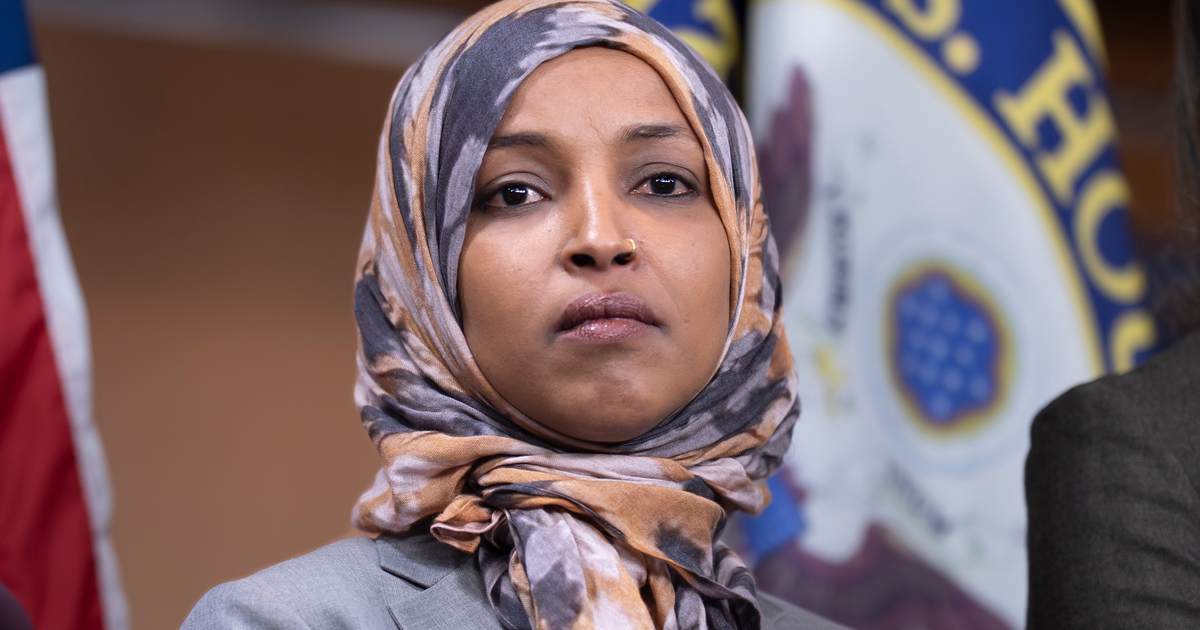
Federal Raid Targets Omar Amid Unresolved Name and Marriage Allegations
Agents searched Rep. Ilhan Omar's DC residence over immigration fraud allegations; she called it bizarre. Reports and commentary questioned her birth name and past marriage details.

Supreme Court Upholds New Hampshire Student ID Voting Ban
The Supreme Court upheld New Hampshire's ban on student IDs as valid voter identification just before midterms, affecting a tight Senate race.
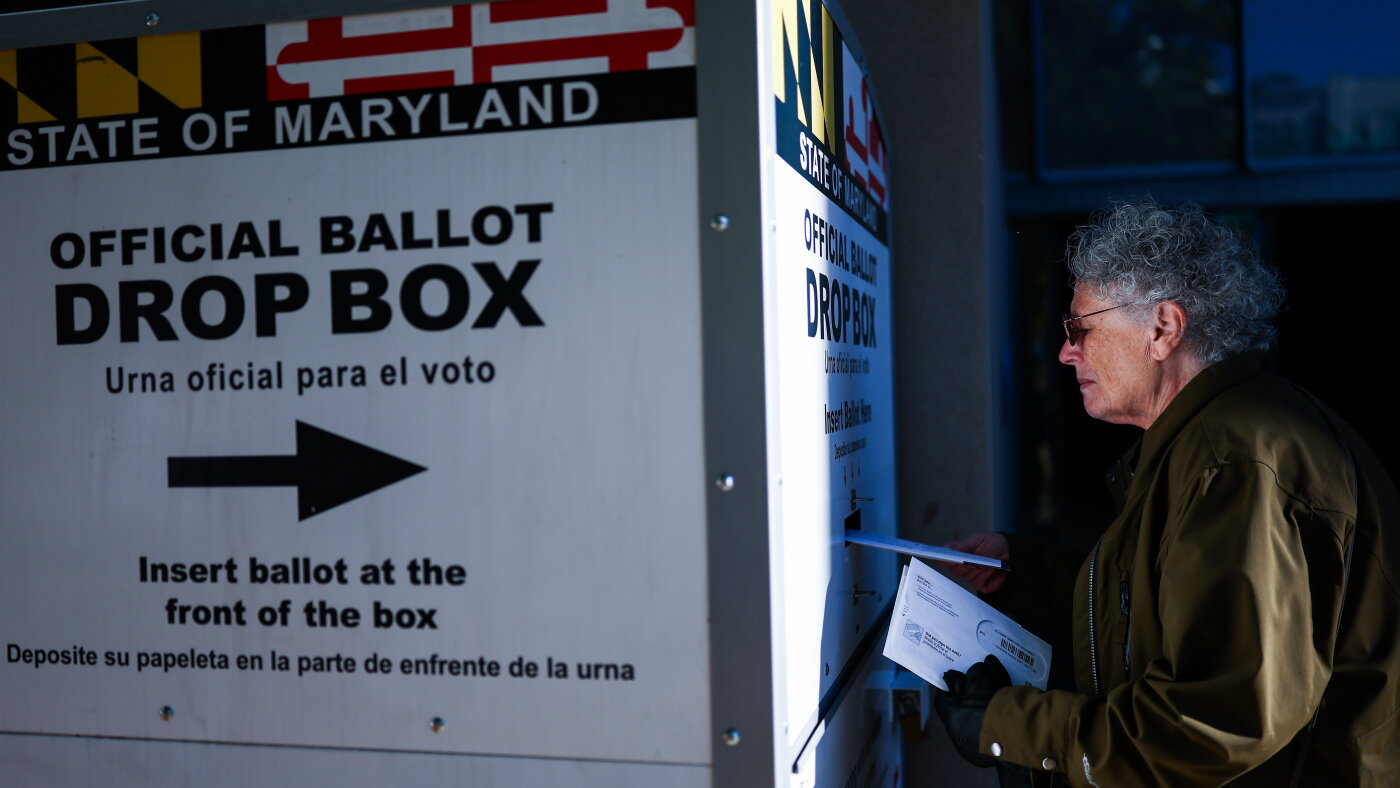
Early Voting Hits 21 Million as Most Trust Midterm Accuracy
Millions have already voted early as parties make final appeals amid $1.4 billion in ad spending; polls show confidence in election accuracy.
The Compass
You just read five takes on one story.
What's your take? Find your political shape in a few minutes.
Take the test