
Trump White House Ballroom Project Raises Funding Questions
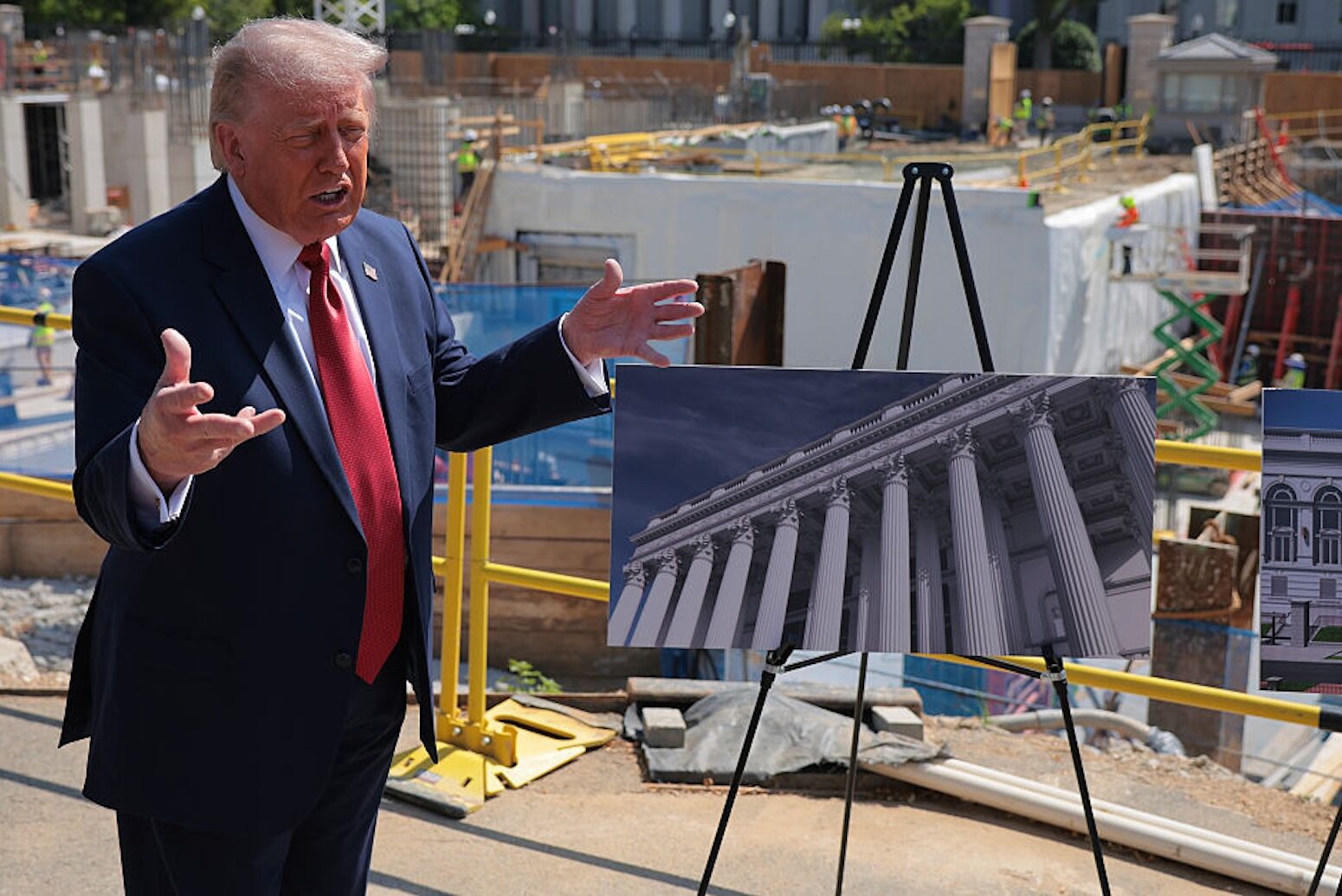
Cover image from salon.com, which was analyzed for this article
President Trump showcased ongoing construction of a new White House ballroom, claiming no taxpayer funds were used. Critics highlighted it as a symbol of excess amid broader spending controversies.
PoliticalOS
Wednesday, May 20, 2026 — Politics
The ballroom's funding remains unsettled between private pledges and past legislative attempts that were blocked on procedural grounds. Legal challenges and the need for congressional approval continue to shape whether and how the project proceeds.
What outlets missed
Most coverage downplayed the Senate parliamentarian's specific Byrd rule objection that removed a $1 billion security allocation from an immigration bill. Few accounts traced the documented shift between initial private-donor statements and later legislative attempts to secure public funds. Legal filings by preservationists and the exact procedural timeline for congressional approval also received limited detail across the pieces examined.
Trump Calls New White House Ballroom His Gift to America
President Donald Trump took reporters to the construction site of a new White House ballroom this week and described the four hundred million dollar project as a lasting improvement for future administrations rather than a personal perk. Speaking near the excavation area, Trump noted that his term would end well before the work finishes and insisted the facility would serve other presidents and official events without issue. He pointed to recent security concerns at large gatherings and suggested the enclosed space would allow events like the White House Correspondents Dinner to proceed without the vulnerabilities seen outdoors last month.
The announcement has drawn sharp pushback from progressive outlets that frame the ballroom as evidence of misplaced priorities. Critics argue the expense reflects excess at a time when federal budgets face scrutiny on many fronts. Yet the project continues on schedule, with crews preparing the foundation for what Trump aides describe as a practical addition long absent from the executive mansion. Historical records show earlier presidents hosted large receptions in temporary tents or borrowed spaces, a limitation that modern security requirements have made increasingly difficult.
Supporters at a recent gathering on the National Mall voiced approval for the plan, with some religious commentators linking the effort to broader themes of national renewal. One speaker drew laughter by noting that past administrations had managed without a dedicated ballroom, then turned serious in praising the current push to complete the structure. Online responses from the political left quickly labeled such remarks as overreach, though the underlying defense of the project rests on straightforward utility rather than symbolism.
Construction costs for major federal buildings have risen sharply in recent years, driven by labor shortages, material prices, and layered regulatory demands. The ballroom figure falls within ranges seen for comparable secure facilities added to government properties elsewhere. Trump emphasized that the finished space would reduce reliance on rented venues and improve control over access for invited guests. He contrasted this approach with past practices that left events exposed to unpredictable conditions.
Media coverage has focused heavily on the dollar amount while giving less attention to the operational advantages cited by the administration. Ballroom events could accommodate larger delegations without splitting across multiple rooms, a common complaint during state dinners under previous occupants. The design also incorporates reinforced elements intended to meet current threat assessments, an aspect Trump highlighted when recalling last month's incident.
Public reaction remains divided along familiar lines. Conservative voices view the addition as overdue maintenance of a national landmark, while opponents treat any expansion as confirmation of personal indulgence. Records from the project show bids awarded through standard competitive processes, with oversight from the General Services Administration. No evidence has surfaced of unusual contracting shortcuts, despite repeated claims to the contrary from partisan commentators.
As work advances, the ballroom stands as one of several physical upgrades underway at the White House complex. Trump has repeatedly framed these efforts as restoring dignity to federal property after years of deferred upkeep. Whether the finished product alters public perception will depend on how future administrations use the space and how costs ultimately compare with similar projects at other historic sites. For now, the president continues to present the effort as a straightforward contribution to the country's executive infrastructure.
You just read America First's take. Want to read what actually happened?
More in Politics
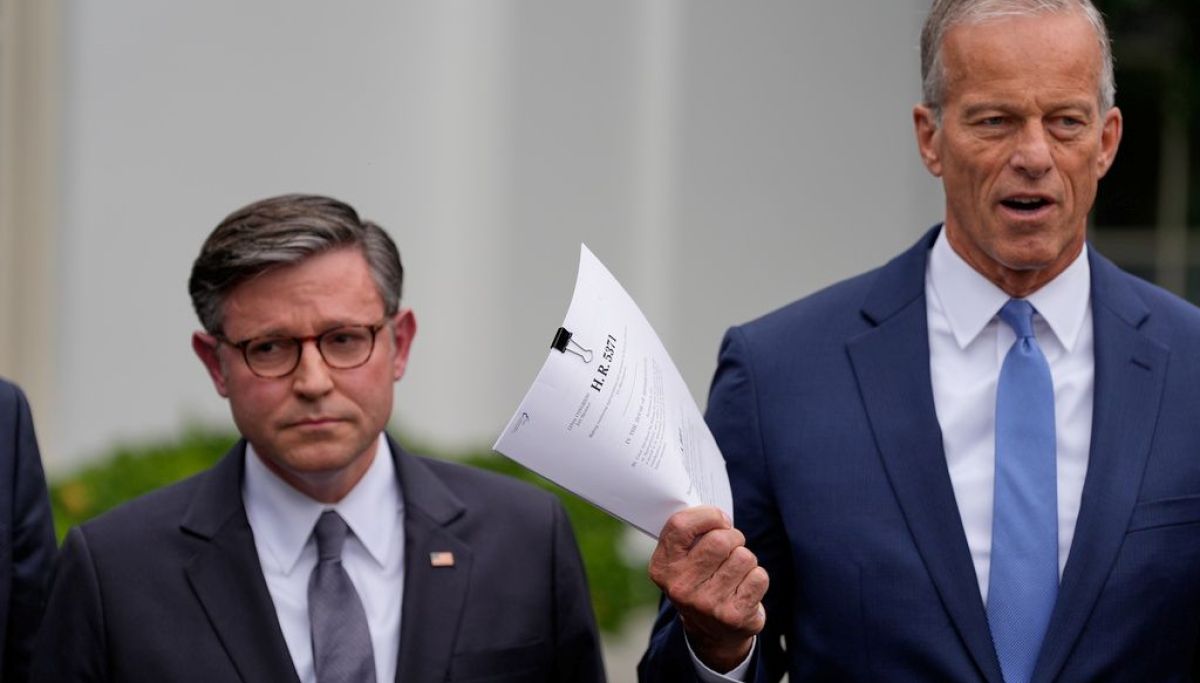
Trump at 32% Approval as Gas Prices Test GOP Midterm Hopes
NYT/Siena polling showed Trump's approval at historic lows around 32 percent with Democrats leading by double digits in key districts. Early voting has surged in battleground states.

Record Early Voting Hits Battlegrounds, Shifting Partisan Shares
AP analysis found hundreds of thousands more early ballots than in 2022 in states including Texas, Ohio, Kansas, Maine, and North Carolina, shifting partisan dynamics.
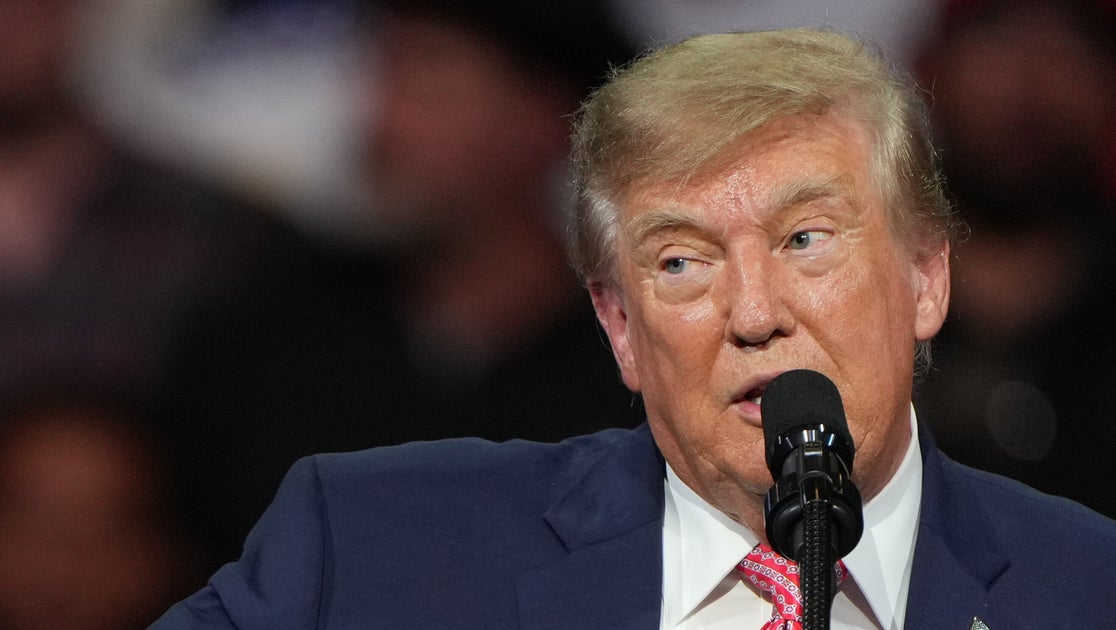
Trump Backs Marshall in Kansas Senate Race Tightened by Farm Costs
President Trump rallied in deep-red Kansas for GOP Sen. Roger Marshall in a competitive race, announcing an $8 billion farm fuel relief program amid high diesel prices. Democrats see an opening to end 94 years of GOP dominance in the state.

Trump Pauses Russia Sanctions Amid Ukraine Tensions and Missile Strikes
Trump waived sanctions on Russia and floated trilateral talks with Putin and Xi as part of ending the Ukraine war, while tensions rose with Zelenskyy over Starlink and arms. Bipartisan senators engaged Zelenskyy amid the shifts.
The Compass
You just read five takes on one story.
What's your take? Find your political shape in a few minutes.
Take the test