
Trump White House Ballroom Project Raises Funding Questions
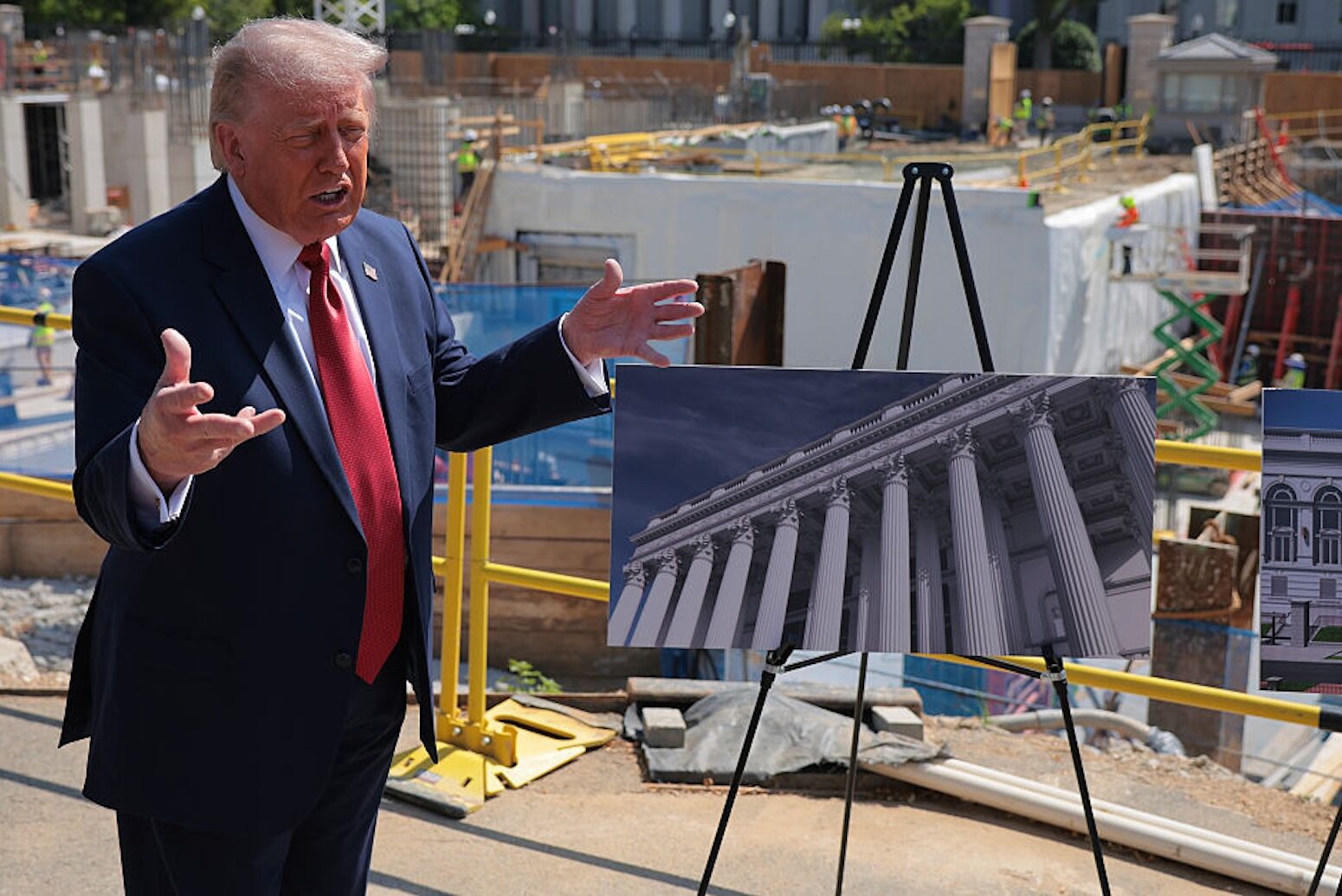
Cover image from salon.com, which was analyzed for this article
President Trump showcased ongoing construction of a new White House ballroom, claiming no taxpayer funds were used. Critics highlighted it as a symbol of excess amid broader spending controversies.
PoliticalOS
Wednesday, May 20, 2026 — Politics
The ballroom's funding remains unsettled between private pledges and past legislative attempts that were blocked on procedural grounds. Legal challenges and the need for congressional approval continue to shape whether and how the project proceeds.
What outlets missed
Most coverage downplayed the Senate parliamentarian's specific Byrd rule objection that removed a $1 billion security allocation from an immigration bill. Few accounts traced the documented shift between initial private-donor statements and later legislative attempts to secure public funds. Legal filings by preservationists and the exact procedural timeline for congressional approval also received limited detail across the pieces examined.
Trump Pushes Forward With Costly White House Ballroom Project
President Donald Trump on Tuesday toured the construction site of a proposed $400 million White House ballroom and described the addition as a lasting gift to the country rather than a personal project. Speaking to reporters near the excavation area, Trump said the facility would serve future administrations and noted that his term would end shortly after its completion. He also suggested the space would improve security for large events, citing the recent White House Correspondents Dinner shooting as an example of risks that could be avoided in a dedicated venue.
The ballroom plan has drawn sharp criticism from observers who view the scale and timing of the project as emblematic of misplaced priorities. Construction costs estimated at $400 million have fueled questions about funding sources and whether taxpayer resources or private donations tied to the administration are involved. Detractors argue the undertaking reflects a pattern of self-promotion more than practical need, especially as the White House already maintains multiple event spaces.
Over the weekend, the project received enthusiastic religious framing at a National Mall gathering organized under the Rededicate 250 banner. Conservative podcaster Eric Metaxas told attendees that divine intervention had finally produced a leader capable of realizing the long-delayed ballroom. He contrasted the current effort with the 1812 burning of the White House under President James Madison, prompting laughter from the crowd before shifting to a more solemn tone. Metaxas claimed the project demonstrated providential support for Trump, a characterization that drew online mockery from critics who labeled the remarks blasphemous. Metaxas later insisted the comments were intended as humor after facing pushback.
Trump has consistently presented the ballroom as an altruistic contribution. He stressed that the facility would benefit subsequent presidents and dismissed suggestions that it served his own interests. Supporters at the weekend event echoed this view, portraying the construction as a historic correction to an oversight that has persisted for more than two centuries. Opponents counter that such rhetoric masks the personal branding opportunities the project affords, particularly given Trump's history of attaching his name to large-scale developments.
The controversy arrives amid broader debates over federal spending and executive-branch optics. While the White House has not released detailed cost breakdowns or financing plans, the public unveiling of the site has intensified scrutiny from watchdog groups and congressional Democrats. Some have called for formal reviews to determine whether the project complies with historic-preservation rules governing alterations to the executive mansion. Others have questioned the wisdom of committing substantial resources to ceremonial infrastructure when other government functions face budgetary constraints.
Trump's remarks on security underscored a separate line of defense. He argued that a purpose-built ballroom would eliminate vulnerabilities exposed during outdoor or improvised gatherings. Administration allies have echoed this point, framing the addition as a prudent modernization rather than an indulgence. Critics maintain that existing protective measures and venue options already address such concerns without requiring a multimillion-dollar expansion.
As construction proceeds, the ballroom has become a focal point for competing narratives about the Trump presidency. Supporters see it as evidence of decisive leadership and long-overdue attention to presidential amenities. Opponents regard it as a tangible illustration of excess and a distraction from pressing national challenges. The coming months are likely to test which interpretation gains wider traction as additional details about funding and design emerge.
You just read Progressive's take. Want to read what actually happened?
More in Politics

Trump Defends Ramaswamy Ad Using Estranged Mother in Ohio Race
President Trump defended a GOP nominee's ad featuring a Democratic opponent's estranged mother, calling it powerful, while drawing criticism from some Republicans including Ohio Gov. Mike DeWine. The ad has sparked internal GOP tensions ahead of midterms.

Federal Raid Targets Omar Amid Unresolved Name and Marriage Allegations
Agents searched Rep. Ilhan Omar's DC residence over immigration fraud allegations; she called it bizarre. Reports and commentary questioned her birth name and past marriage details.

Supreme Court Upholds New Hampshire Student ID Voting Ban
The Supreme Court upheld New Hampshire's ban on student IDs as valid voter identification just before midterms, affecting a tight Senate race.
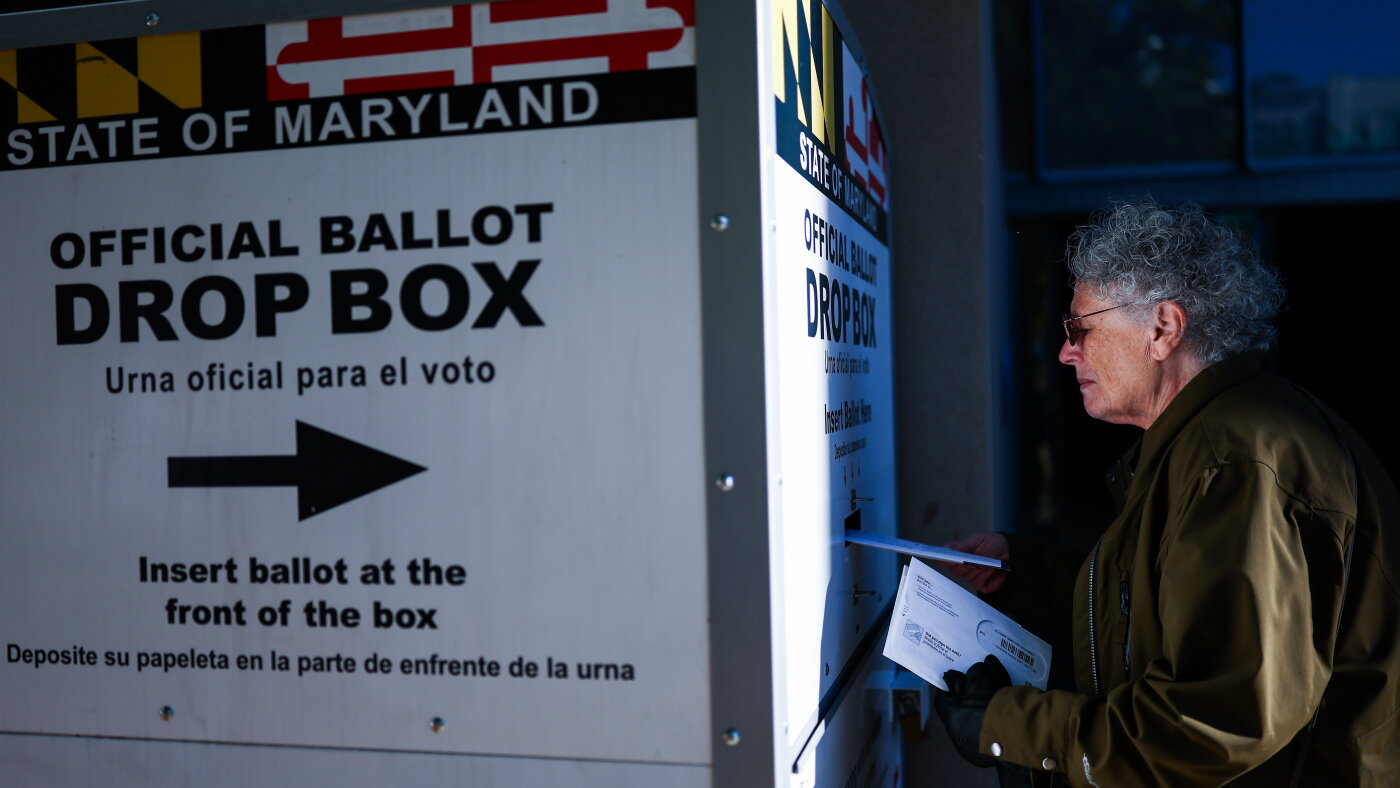
Early Voting Hits 21 Million as Most Trust Midterm Accuracy
Millions have already voted early as parties make final appeals amid $1.4 billion in ad spending; polls show confidence in election accuracy.
The Compass
You just read five takes on one story.
What's your take? Find your political shape in a few minutes.
Take the test