
Trump-Xi Beijing Summit Advances Trade Amid Taiwan Warnings
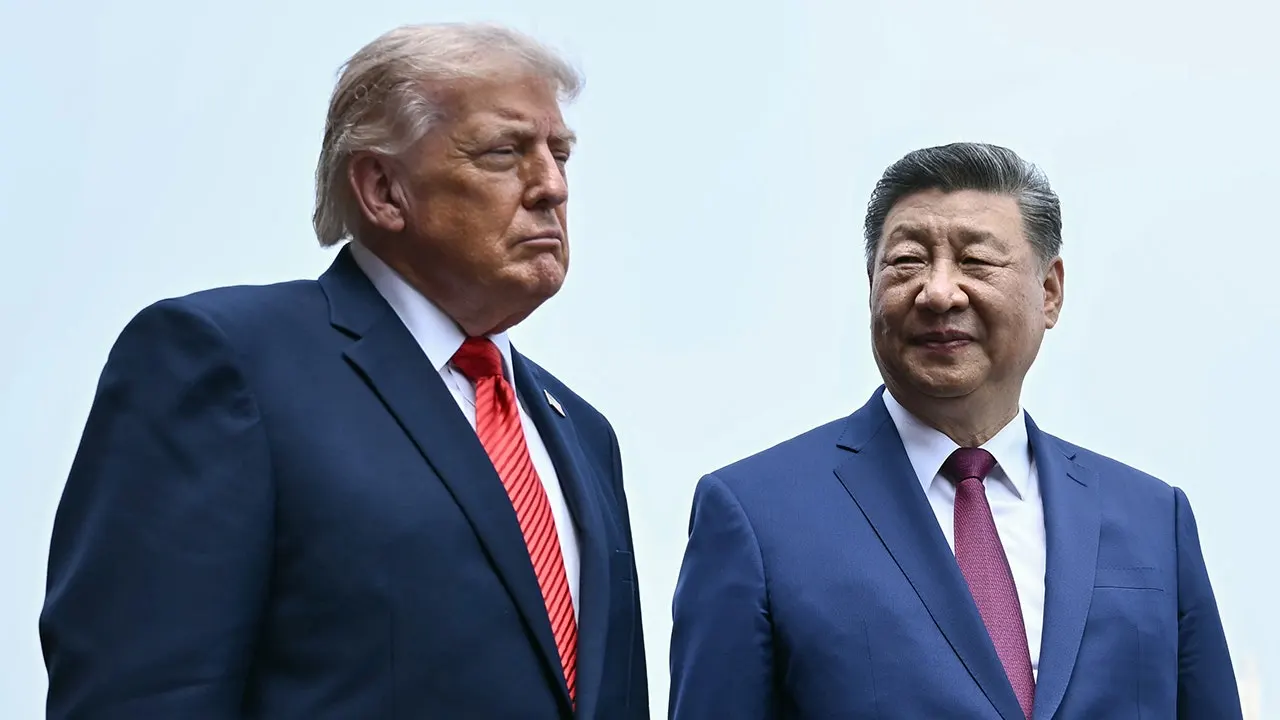
Cover image from foxnews.com, which was analyzed for this article
President Trump met Chinese President Xi Jinping in Beijing for a two-day summit focusing on trade tensions, Taiwan arms sales, technology restrictions, and Iran-related issues in the Strait of Hormuz. Xi warned that mishandling Taiwan could lead to 'great jeopardy' or conflict in bilateral relations. Accompanied by U.S. CEOs like Elon Musk and Tim Cook, Trump announced potential deals including China's order for 200 Boeing jets.
PoliticalOS
Wednesday, May 13, 2026 — Politics
The summit produced modest trade signals and a clear Chinese warning on Taiwan, yet left the most consequential security questions—arms sales, Iran mediation, and technology controls—unresolved. Readers should track whether follow-up meetings convert the cordial tone into verifiable agreements or simply defer hard choices.
What outlets missed
Several outlets omitted the White House’s explicit statement that both sides agreed Iran must never acquire a nuclear weapon and that the Strait of Hormuz must remain open without tolls. Most reporting also left out the specific figure of a potential 200-aircraft Boeing order discussed during the economic portion of the talks. Few noted that Taiwan’s own public-opinion surveys continue to show roughly 60 percent support for maintaining the status quo indefinitely, a data point that frames the sensitivity of any shift in U.S. arms policy. Finally, the presence of 17 U.S. CEOs whose firms hold combined market value exceeding $870 billion received little quantitative treatment despite its direct relevance to the trade agenda.
Trump Seeks Trade Gains in Beijing Talks With Xi
President Donald Trump arrived in Beijing on Wednesday for a two-day summit with Chinese President Xi Jinping, the first such presidential visit in nearly a decade. The meetings center on trade, technology, and regional security issues, with American business leaders accompanying Trump to explore expanded market access.
Trump brought executives from companies including Tesla, Apple, and Boeing. Administration officials described the trip as an effort to build on the earlier pause in tariff escalations known as the Busan Truce. Discussions include a proposed board of trade to handle non-sensitive goods and increased Chinese purchases of American agricultural products and energy. Trump emphasized trade as the primary topic, noting shared interests in economic stability despite ongoing differences.
The Iran conflict casts a shadow over the agenda. Trump stated before departure that the United States does not require Chinese assistance to conclude operations there. China has maintained oil purchases from Iran and expressed opposition to any militarization or tolls in the Strait of Hormuz. Both sides agreed during talks that Iran should not acquire nuclear weapons and that energy flows through the strait must remain open. The war has contributed to higher global energy prices, affecting American consumers and complicating domestic economic conditions.
Taiwan emerged as a point of emphasis from the Chinese side. Xi described the issue as the most important in bilateral relations, warning that improper handling could lead to clashes. The United States continues arms support to Taiwan under existing law, a practice Beijing views as interference. American officials reported that each side restated longstanding positions without new commitments.
Artificial intelligence, cybersecurity, and China's nuclear expansion also received attention. Officials acknowledged limited progress in these areas due to mutual suspicions, though communication channels remain active. Trump highlighted personal rapport with Xi, predicting cooperative outcomes on economic matters.
The summit reflects efforts by both governments to manage competition through targeted agreements rather than broad confrontation. Markets have shown sensitivity to any signals of reduced trade friction, while analysts note that deeper structural issues, including technology controls and supply chain dependencies, persist beyond this round of discussions.
You just read Conservative's take. Want to read what actually happened?
More in Politics
Trump at 32% Approval as Gas Prices Test GOP Midterm Hopes
NYT/Siena polling showed Trump's approval at historic lows around 32 percent with Democrats leading by double digits in key districts. Early voting has surged in battleground states.

Record Early Voting Hits Battlegrounds, Shifting Partisan Shares
AP analysis found hundreds of thousands more early ballots than in 2022 in states including Texas, Ohio, Kansas, Maine, and North Carolina, shifting partisan dynamics.
Trump Backs Marshall in Kansas Senate Race Tightened by Farm Costs
President Trump rallied in deep-red Kansas for GOP Sen. Roger Marshall in a competitive race, announcing an $8 billion farm fuel relief program amid high diesel prices. Democrats see an opening to end 94 years of GOP dominance in the state.

Trump Pauses Russia Sanctions Amid Ukraine Tensions and Missile Strikes
Trump waived sanctions on Russia and floated trilateral talks with Putin and Xi as part of ending the Ukraine war, while tensions rose with Zelenskyy over Starlink and arms. Bipartisan senators engaged Zelenskyy amid the shifts.
The Compass
You just read five takes on one story.
What's your take? Find your political shape in a few minutes.
Take the test