
Trump-Xi Beijing Summit Advances Trade Amid Taiwan Warnings
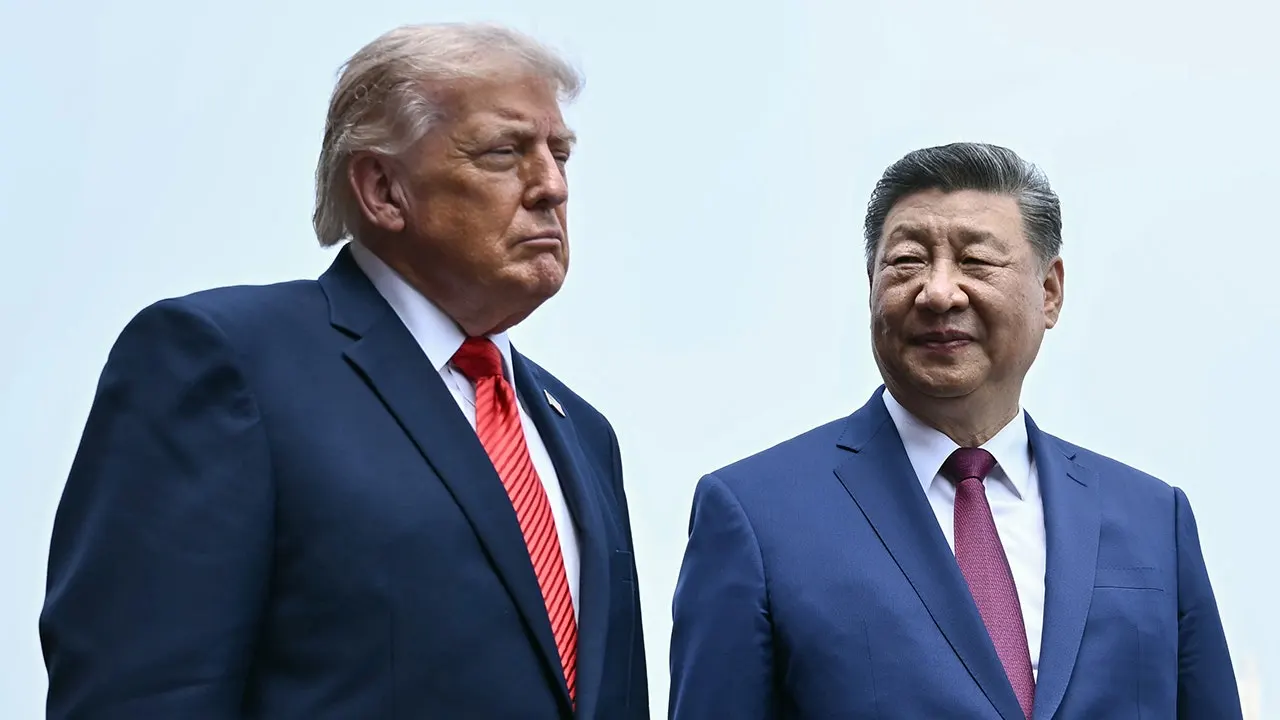
Cover image from foxnews.com, which was analyzed for this article
President Trump met Chinese President Xi Jinping in Beijing for a two-day summit focusing on trade tensions, Taiwan arms sales, technology restrictions, and Iran-related issues in the Strait of Hormuz. Xi warned that mishandling Taiwan could lead to 'great jeopardy' or conflict in bilateral relations. Accompanied by U.S. CEOs like Elon Musk and Tim Cook, Trump announced potential deals including China's order for 200 Boeing jets.
PoliticalOS
Wednesday, May 13, 2026 — Politics
The summit produced modest trade signals and a clear Chinese warning on Taiwan, yet left the most consequential security questions—arms sales, Iran mediation, and technology controls—unresolved. Readers should track whether follow-up meetings convert the cordial tone into verifiable agreements or simply defer hard choices.
What outlets missed
Several outlets omitted the White House’s explicit statement that both sides agreed Iran must never acquire a nuclear weapon and that the Strait of Hormuz must remain open without tolls. Most reporting also left out the specific figure of a potential 200-aircraft Boeing order discussed during the economic portion of the talks. Few noted that Taiwan’s own public-opinion surveys continue to show roughly 60 percent support for maintaining the status quo indefinitely, a data point that frames the sensitivity of any shift in U.S. arms policy. Finally, the presence of 17 U.S. CEOs whose firms hold combined market value exceeding $870 billion received little quantitative treatment despite its direct relevance to the trade agenda.
Trump Arrives in Beijing Seeking Economic Wins but Faces Firm Chinese Warnings
President Donald Trump touched down in Beijing on Wednesday evening for the first presidential visit to China in nearly a decade, carrying hopes of striking trade deals that could ease domestic economic pressures while navigating a relationship marked by deep strategic mistrust. The two-day summit with Chinese leader Xi Jinping comes as the United States remains entangled in a costly standoff with Iran, limiting Washington’s leverage and highlighting the limits of Trump’s foreign policy approach.
Trump traveled with a delegation of prominent American executives, including leaders from Apple, Tesla, Boeing and BlackRock. Administration officials described the group as evidence of a focus on practical commercial outcomes rather than grand strategic pronouncements. Before departing Washington, Trump emphasized that trade would dominate the agenda and expressed optimism about his personal rapport with Xi, predicting the Chinese leader would greet him warmly. In public remarks after their initial meeting, Trump praised Xi as a strong leader and described the talks as productive, avoiding direct engagement with reporters’ questions on sensitive topics.
The conversations covered several longstanding friction points. On the economic side, the two sides discussed a proposed bilateral board to oversee non-sensitive trade flows and steps to increase Chinese purchases of American agricultural goods. They also addressed fentanyl precursors and agreed in principle that Iran should not acquire nuclear weapons. Yet the scale of any immediate agreements remained unclear, with analysts noting that both governments face domestic constraints that make sweeping concessions difficult.
Taiwan loomed largest as a point of divergence. Xi used the opening session to deliver a pointed message, describing the issue as the most important in bilateral relations and warning that mishandling it could produce clashes or outright conflict. Chinese officials later reiterated that any move toward formal independence for the island or expanded U.S. military support would cross a red line. The White House readout of the meeting omitted any reference to Taiwan, and Trump himself sidestepped questions about whether the subject had arisen, focusing instead on the overall atmosphere of the visit.
The Iran conflict added another layer of complexity. Trump has sought Chinese help in reopening the Strait of Hormuz and easing energy market disruptions, yet Beijing has maintained its economic ties with Tehran and shown little inclination to pressure its partner on Washington’s terms. The prolonged fighting has contributed to higher U.S. energy prices and declining presidential approval, leaving Trump with fewer cards to play than he had anticipated when the summit was first scheduled.
The asymmetry in tone between the two leaders was notable. Trump leaned on personal flattery and expressions of mutual respect, consistent with his long-standing preference for leader-to-leader diplomacy. Xi, by contrast, spoke in measured, institutional language that underscored China’s core interests and the risks of escalation. This contrast reflects deeper differences in how each side approaches the relationship: one driven by transactional instincts and short-term optics, the other by a long-term strategy of consolidating regional influence and technological independence.
Even modest progress on trade or regulatory coordination could stabilize markets and provide breathing room for both economies. Yet the underlying structural tensions over technology, security and regional order show little sign of resolution. The Beijing meetings underscored that managing the U.S.-China relationship will require sustained attention to institutional guardrails rather than reliance on personal chemistry alone.
You just read Liberal's take. Want to read what actually happened?
More in Politics

Trump at 32% Approval as Gas Prices Test GOP Midterm Hopes
NYT/Siena polling showed Trump's approval at historic lows around 32 percent with Democrats leading by double digits in key districts. Early voting has surged in battleground states.

Record Early Voting Hits Battlegrounds, Shifting Partisan Shares
AP analysis found hundreds of thousands more early ballots than in 2022 in states including Texas, Ohio, Kansas, Maine, and North Carolina, shifting partisan dynamics.

Trump Backs Marshall in Kansas Senate Race Tightened by Farm Costs
President Trump rallied in deep-red Kansas for GOP Sen. Roger Marshall in a competitive race, announcing an $8 billion farm fuel relief program amid high diesel prices. Democrats see an opening to end 94 years of GOP dominance in the state.

Trump Pauses Russia Sanctions Amid Ukraine Tensions and Missile Strikes
Trump waived sanctions on Russia and floated trilateral talks with Putin and Xi as part of ending the Ukraine war, while tensions rose with Zelenskyy over Starlink and arms. Bipartisan senators engaged Zelenskyy amid the shifts.
The Compass
You just read five takes on one story.
What's your take? Find your political shape in a few minutes.
Take the test