
Trump-Xi Beijing Summit Advances Trade Amid Taiwan Warnings
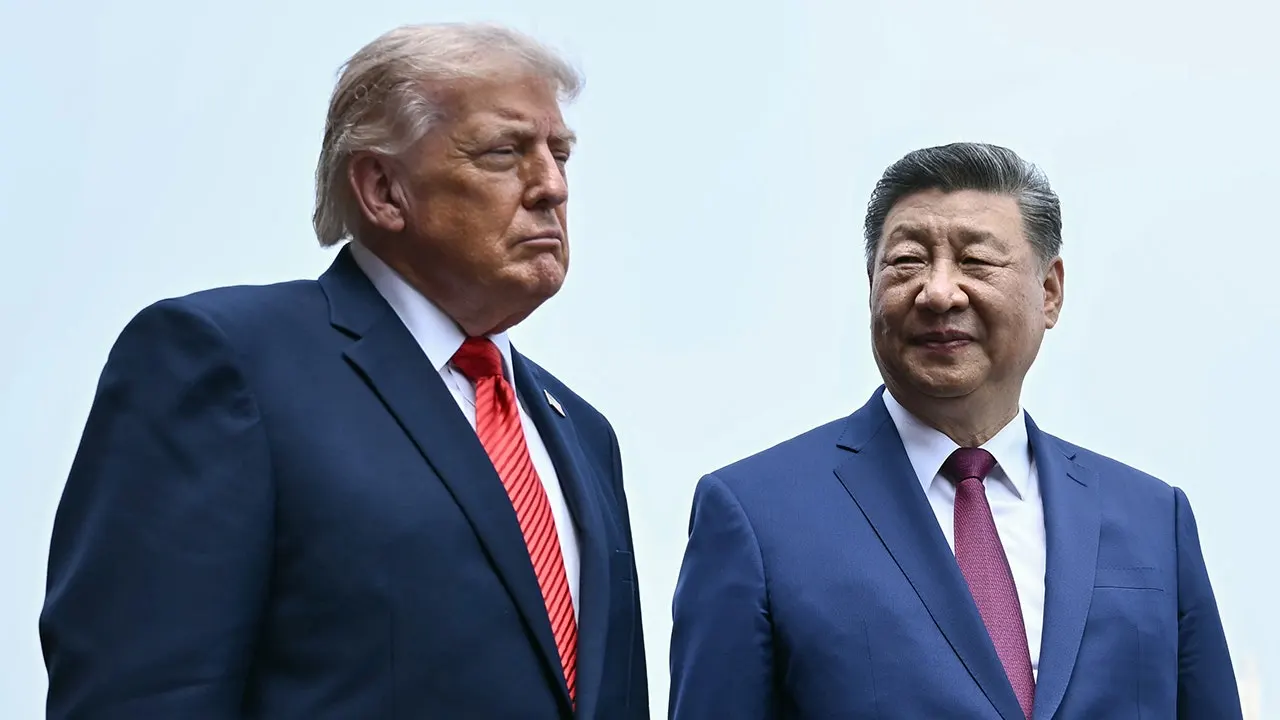
Cover image from foxnews.com, which was analyzed for this article
President Trump met Chinese President Xi Jinping in Beijing for a two-day summit focusing on trade tensions, Taiwan arms sales, technology restrictions, and Iran-related issues in the Strait of Hormuz. Xi warned that mishandling Taiwan could lead to 'great jeopardy' or conflict in bilateral relations. Accompanied by U.S. CEOs like Elon Musk and Tim Cook, Trump announced potential deals including China's order for 200 Boeing jets.
PoliticalOS
Wednesday, May 13, 2026 — Politics
The summit produced modest trade signals and a clear Chinese warning on Taiwan, yet left the most consequential security questions—arms sales, Iran mediation, and technology controls—unresolved. Readers should track whether follow-up meetings convert the cordial tone into verifiable agreements or simply defer hard choices.
What outlets missed
Several outlets omitted the White House’s explicit statement that both sides agreed Iran must never acquire a nuclear weapon and that the Strait of Hormuz must remain open without tolls. Most reporting also left out the specific figure of a potential 200-aircraft Boeing order discussed during the economic portion of the talks. Few noted that Taiwan’s own public-opinion surveys continue to show roughly 60 percent support for maintaining the status quo indefinitely, a data point that frames the sensitivity of any shift in U.S. arms policy. Finally, the presence of 17 U.S. CEOs whose firms hold combined market value exceeding $870 billion received little quantitative treatment despite its direct relevance to the trade agenda.
Trump Lands in Beijing Seeking Trade Wins as Iran War Drags On
Donald Trump touched down in Beijing on Wednesday for his first visit to China as president in nearly a decade, carrying hopes of striking economic deals while confronting a series of thorny issues that have exposed weaknesses in his foreign policy. The two-day summit with Chinese leader Xi Jinping comes at a difficult moment for the American president, whose approval ratings have slipped amid a prolonged conflict with Iran that shows no sign of swift resolution.
Trump arrived with a delegation that included executives from major American companies such as Apple, Tesla and Boeing. He has described the trip as an opportunity to expand market access and boost investment flows. Yet the backdrop of the Iran war looms large. The conflict, now in its third month, has kept the Strait of Hormuz under pressure and sent energy prices higher, contributing to domestic economic strain. Trump has insisted the United States needs no help from Beijing to manage the situation, but administration officials have quietly pressed China, a major buyer of Iranian oil, to use its influence with Tehran.
Xi opened the formal talks by placing Taiwan at the center of the agenda. He told Trump that the issue represents the most important question in bilateral relations and warned that mishandling it could produce clashes or even outright conflict. Chinese officials later reiterated the message in public briefings. The White House readout of the meeting made no mention of the exchange, instead highlighting discussions on trade, fentanyl precursors and agricultural purchases. Trump himself avoided direct answers when reporters asked about Taiwan afterward, describing the talks only as great and calling China beautiful.
Analysts note that Trump entered the meetings from a position of reduced leverage. His earlier plan to negotiate after a quick Middle East victory did not materialize. China, by contrast, has maintained steady ties with Iran and positioned itself as a relatively stable player amid global energy turbulence. Both sides agreed that Iran should never obtain a nuclear weapon and that the Strait of Hormuz must remain open, but they offered few details on concrete steps to achieve those goals.
Trade remained the dominant theme in public remarks. Trump spoke warmly of his personal relationship with Xi and predicted a fantastic future of cooperation. The two leaders toasted at a state banquet, with Trump invoking historical figures from Benjamin Franklin to Confucius to underscore long-standing cultural links. Yet beneath the pageantry, the United States and China continue to manage deep mistrust over technology, cybersecurity and military issues, including Beijing’s expanding nuclear arsenal.
Ukrainian President Volodymyr Zelenskyy urged Trump to raise Russia’s war against Ukraine during the talks, but no public indication emerged that the topic received significant attention. Instead, the focus stayed on managing immediate economic friction and avoiding escalation over Taiwan.
The summit produced no dramatic breakthroughs, consistent with low expectations beforehand. Modest agreements on non-sensitive trade and investment could still ease market tensions, though the underlying rivalry between the world’s two largest economies shows little sign of easing. For Trump, the visit offers a chance to project strength abroad while domestic pressures from the Iran conflict persist. For Xi, it provides an opening to reaffirm core red lines without conceding ground on strategic priorities.
You just read Progressive's take. Want to read what actually happened?
More in Politics
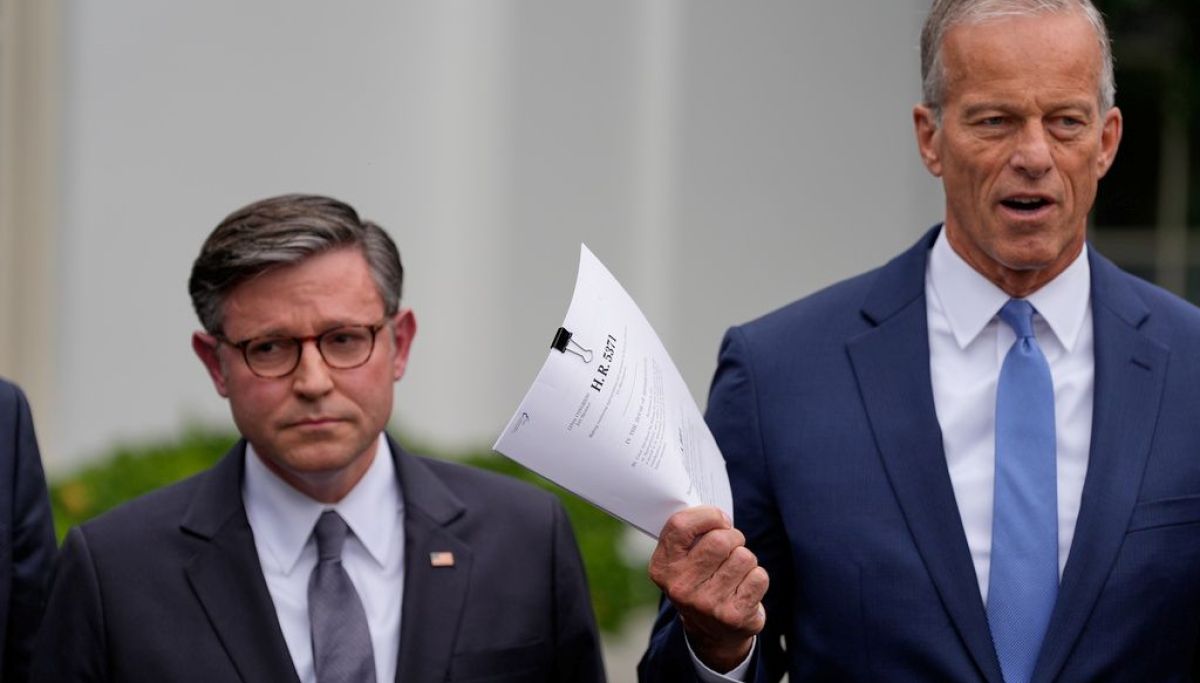
Trump at 32% Approval as Gas Prices Test GOP Midterm Hopes
NYT/Siena polling showed Trump's approval at historic lows around 32 percent with Democrats leading by double digits in key districts. Early voting has surged in battleground states.

Record Early Voting Hits Battlegrounds, Shifting Partisan Shares
AP analysis found hundreds of thousands more early ballots than in 2022 in states including Texas, Ohio, Kansas, Maine, and North Carolina, shifting partisan dynamics.
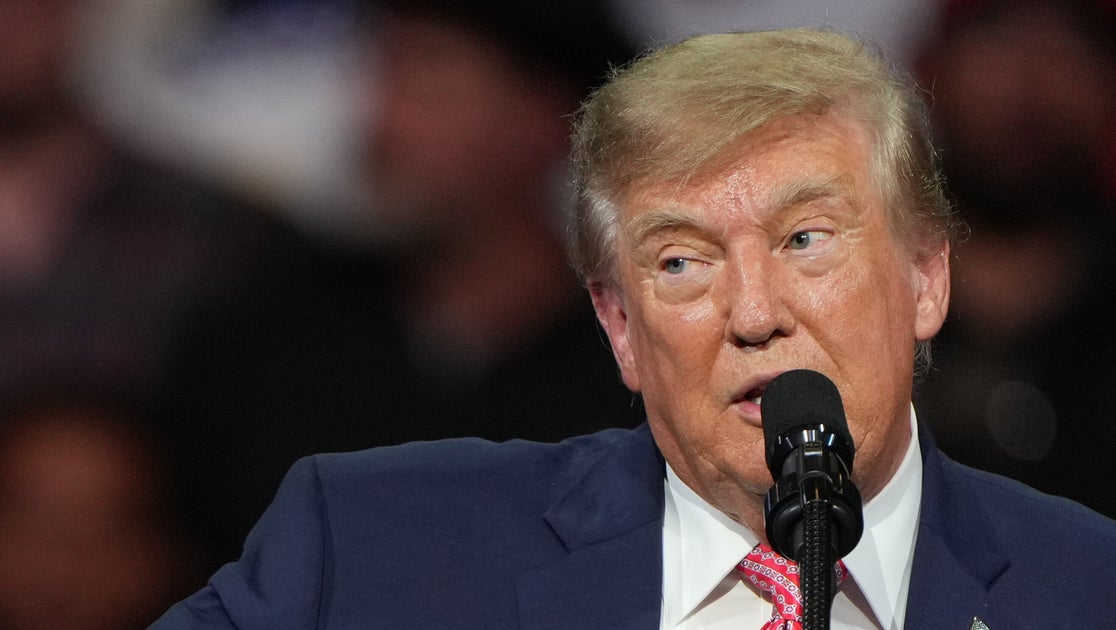
Trump Backs Marshall in Kansas Senate Race Tightened by Farm Costs
President Trump rallied in deep-red Kansas for GOP Sen. Roger Marshall in a competitive race, announcing an $8 billion farm fuel relief program amid high diesel prices. Democrats see an opening to end 94 years of GOP dominance in the state.

Trump Pauses Russia Sanctions Amid Ukraine Tensions and Missile Strikes
Trump waived sanctions on Russia and floated trilateral talks with Putin and Xi as part of ending the Ukraine war, while tensions rose with Zelenskyy over Starlink and arms. Bipartisan senators engaged Zelenskyy amid the shifts.
The Compass
You just read five takes on one story.
What's your take? Find your political shape in a few minutes.
Take the test