
Trump-Xi Summit Produces Preliminary Tariff Cuts and Farm Access
Cover image from cbsnews.com, which was analyzed for this article
The president returned from meetings with Xi Jinping with preliminary tariff cuts, improved farm access, and agreements to keep the Strait of Hormuz open amid ongoing Iran tensions.
PoliticalOS
Sunday, May 17, 2026 — Politics
The summit produced modest procedural steps on tariffs and farm access that both sides described differently, leaving core issues such as Taiwan and Iran largely unresolved. Readers should track whether the new bilateral boards deliver measurable increases in U.S. exports beyond existing commitments.
What outlets missed
Most coverage omitted the specific Chinese confirmation of five-year extensions for 425 U.S. beef facilities and registration of 77 new ones, a concrete step that directly addresses prior market-access blocks. Few outlets detailed the existing 25-million-metric-ton annual soybean purchase commitment that predates the summit and serves as the baseline for new agricultural expectations. The unverified claim of 200 Boeing aircraft plus General Electric engines appeared in U.S. statements but received no corroboration in Chinese ministry readouts, leaving its status as an aspirational target rather than a locked-in order. Discussions on maintaining Strait of Hormuz access amid Iran tensions received almost no attention despite appearing in the overall summit summary.
Trump Returns From Beijing With Trade Promises But China Mocks American Weakness
President Trump wrapped up his two-day visit to Beijing on Friday with Chinese officials touting preliminary agreements to trim some tariffs and boost American farm exports. The deals remain far from finalized, according to statements from China's commerce ministry, yet they mark the first concrete steps from the summit between Trump and President Xi Jinping.
Both sides agreed to set up new trade and investment boards to negotiate specific tariff reductions on a reciprocal basis. The ministry highlighted progress on agricultural market access, including efforts to clear non-tariff barriers that have limited U.S. beef and other products. Beijing already moved to extend registrations for hundreds of American beef plants and add new facilities, a step that could reopen significant portions of the Chinese market closed during prior tariff disputes. Arrangements for Chinese purchases of U.S. aircraft also advanced, with assurances on supply chain reliability discussed.
Trump administration officials described the trip as a success in shifting from years of tension toward a more constructive relationship. The president sought and received public displays of partnership during tours and meetings in the Chinese capital. Xi spoke of pairing America's renewed strength with China's own national rejuvenation, language that some U.S. observers took as a nod to mutual benefit rather than outright rivalry.
Chinese state media and social platforms, however, struck a different tone once Trump departed. Users revived the nickname Chuan Jianguo, or Nation Builder, aimed at the president. The label suggests that recent American policy missteps have inadvertently strengthened China's position at home and abroad. Government statements carried in local outlets reinforced a narrative of U.S. decline, though Beijing later clarified to White House satisfaction that the downturn applied only to the prior administration.
Foreign policy voices who have long viewed Beijing as a strategic competitor expressed disappointment at the emphasis on cooperation over confrontation. They point to the absence of major new concessions on technology transfers, intellectual property enforcement, or military posture in the region. Preliminary tariff talks cover unspecified goods and set no firm timeline, leaving the scale of any actual relief unclear. Agricultural commitments focus on resolving disputes without immediate large-scale purchases guaranteed.
The summit unfolded against a backdrop of broader economic pressures at home, including elevated fuel costs tied to global events. Trump has balanced outreach to Beijing with efforts to bring manufacturing jobs back to American shores and stabilize prices on everyday goods. Early results from the new trade framework will be watched closely in farm states that suffered sharp drops in exports during earlier rounds of tariffs.
Critics on both sides of the Pacific see the visit as evidence that Washington has grown more accommodating. Chinese commentators portray the meetings as confirmation of shifting global power. American skeptics worry that friendly rhetoric could mask ongoing challenges from a regime that continues to expand its influence through economic leverage and regional assertiveness. Trump has consistently argued that personal engagement with Xi offers the best path to avoid dangerous escalation while securing tangible gains for U.S. workers.
Whether the preliminary boards deliver measurable results on tariffs and agriculture will determine if this approach strengthens American leverage or simply buys time for Beijing to consolidate advantages. The coming months of negotiations should clarify the balance.
You just read America First's take. Want to read what actually happened?
More in Politics

Trump Defends Ramaswamy Ad Using Estranged Mother in Ohio Race
President Trump defended a GOP nominee's ad featuring a Democratic opponent's estranged mother, calling it powerful, while drawing criticism from some Republicans including Ohio Gov. Mike DeWine. The ad has sparked internal GOP tensions ahead of midterms.
Federal Raid Targets Omar Amid Unresolved Name and Marriage Allegations
Agents searched Rep. Ilhan Omar's DC residence over immigration fraud allegations; she called it bizarre. Reports and commentary questioned her birth name and past marriage details.

Supreme Court Upholds New Hampshire Student ID Voting Ban
The Supreme Court upheld New Hampshire's ban on student IDs as valid voter identification just before midterms, affecting a tight Senate race.
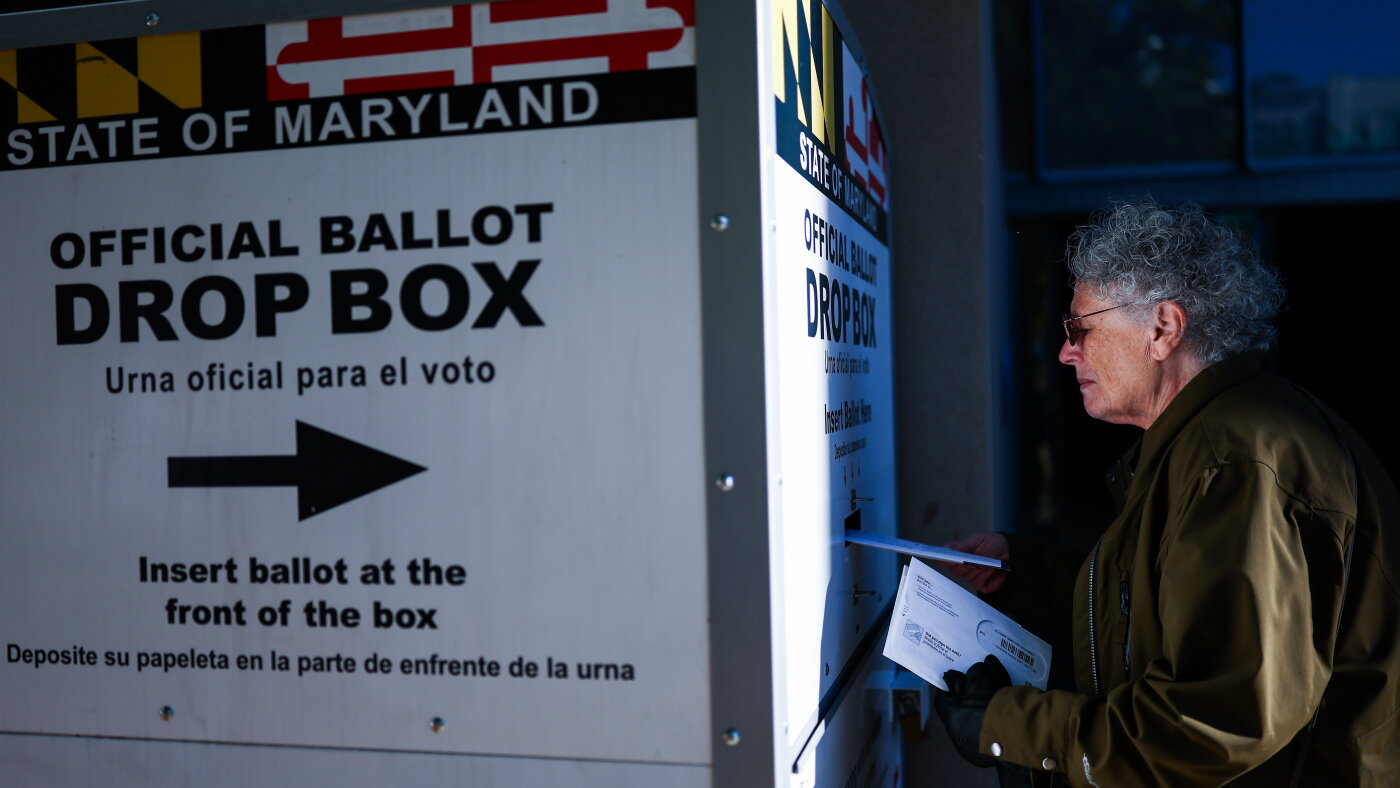
Early Voting Hits 21 Million as Most Trust Midterm Accuracy
Millions have already voted early as parties make final appeals amid $1.4 billion in ad spending; polls show confidence in election accuracy.
The Compass
You just read five takes on one story.
What's your take? Find your political shape in a few minutes.
Take the test