
Trump-Xi Summit Produces Preliminary Tariff Cuts and Farm Access
Cover image from cbsnews.com, which was analyzed for this article
The president returned from meetings with Xi Jinping with preliminary tariff cuts, improved farm access, and agreements to keep the Strait of Hormuz open amid ongoing Iran tensions.
PoliticalOS
Sunday, May 17, 2026 — Politics
The summit produced modest procedural steps on tariffs and farm access that both sides described differently, leaving core issues such as Taiwan and Iran largely unresolved. Readers should track whether the new bilateral boards deliver measurable increases in U.S. exports beyond existing commitments.
What outlets missed
Most coverage omitted the specific Chinese confirmation of five-year extensions for 425 U.S. beef facilities and registration of 77 new ones, a concrete step that directly addresses prior market-access blocks. Few outlets detailed the existing 25-million-metric-ton annual soybean purchase commitment that predates the summit and serves as the baseline for new agricultural expectations. The unverified claim of 200 Boeing aircraft plus General Electric engines appeared in U.S. statements but received no corroboration in Chinese ministry readouts, leaving its status as an aspirational target rather than a locked-in order. Discussions on maintaining Strait of Hormuz access amid Iran tensions received almost no attention despite appearing in the overall summit summary.
Trump's Beijing Meetings Produce Preliminary Trade Framework With Limited Concessions
President Trump concluded two days of talks with Chinese leader Xi Jinping on Friday having secured preliminary understandings on tariff reductions and expanded agricultural trade, according to statements from both governments. The agreements remain subject to further negotiation and do not include the sweeping concessions on intellectual property or market access that previous administrations had sought.
Chinese commerce officials described the results as an agreement in principle to lower tariffs on goods of mutual interest at equivalent scale. They also announced the creation of a bilateral trade board and an investment board to manage ongoing discussions. On agriculture, the two sides committed to addressing non-tariff barriers that have restricted American exports, including beef. Beijing separately approved five-year registration extensions for 425 U.S. beef facilities and cleared 77 additional plants, measures that reopen channels largely closed by prior retaliatory duties.
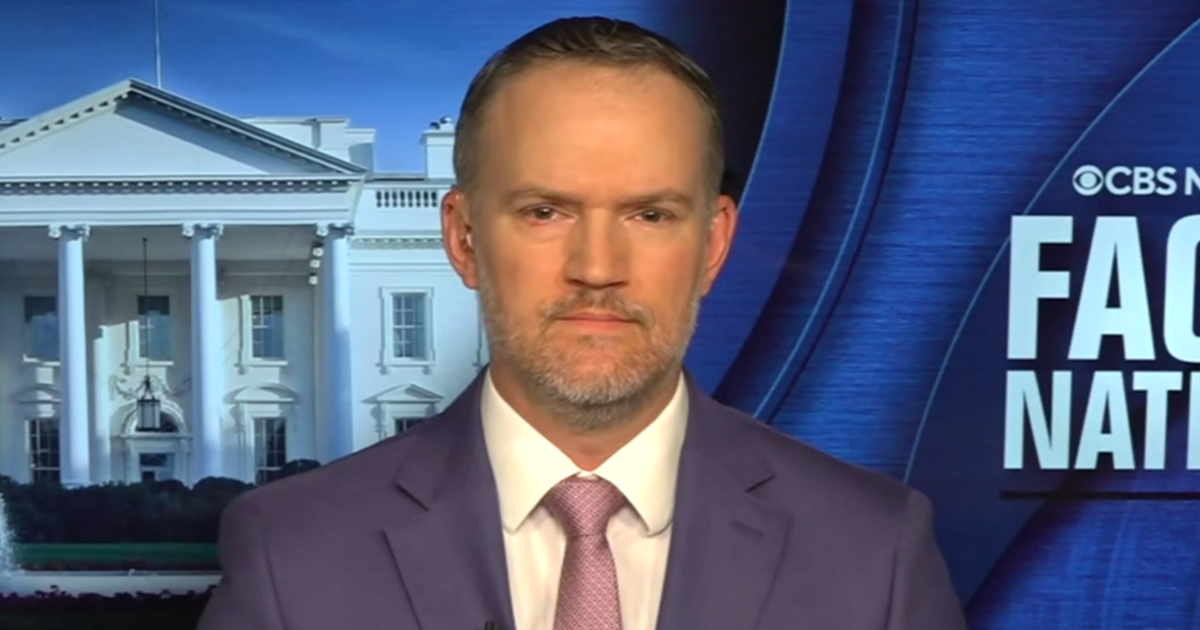
The Trump administration presented these steps as evidence of constructive engagement after years of tariff escalation. U.S. Trade Representative Jamieson Greer, speaking on a Sunday interview program, framed the broader economic strategy as one that pairs targeted trade relief with domestic priorities such as wage growth and lower prices for staples. Administration officials noted that the meetings produced the public display of partnership the president had sought.
Chinese state media offered a different emphasis. Commentators revived the nickname “Chuan Jianguo,” or “nation builder,” to suggest that Trump’s approach has inadvertently advanced Chinese industrial goals. Government statements conveyed confidence that the United States is operating from a position of relative decline, a view conveyed to Trump before his departure and later clarified by Beijing as applying only to the prior administration.
The summit’s outcomes reflect a familiar pattern in U.S.-China economic diplomacy. Past negotiations have produced framework documents that require years of follow-on talks to translate into binding changes. The new trade and investment boards could provide institutional continuity, yet their effectiveness will depend on whether both sides follow through with specific tariff cuts and regulatory reforms. Agricultural access, while symbolically important, still faces an additional 10 percent duty imposed during earlier rounds of retaliation.
Foreign policy analysts who favor sustained pressure on China have already expressed concern that the emphasis on personal rapport may reduce leverage on structural issues such as subsidies and technology transfer. At the same time, the preliminary nature of the agreements leaves open the possibility that the administration could reimpose tariffs if progress stalls. The coming months will test whether the new boards can move beyond broad declarations to measurable changes in market access and enforcement.
You just read Liberal's take. Want to read what actually happened?
More in Politics

Trump at 32% Approval as Gas Prices Test GOP Midterm Hopes
NYT/Siena polling showed Trump's approval at historic lows around 32 percent with Democrats leading by double digits in key districts. Early voting has surged in battleground states.

Record Early Voting Hits Battlegrounds, Shifting Partisan Shares
AP analysis found hundreds of thousands more early ballots than in 2022 in states including Texas, Ohio, Kansas, Maine, and North Carolina, shifting partisan dynamics.

Trump Backs Marshall in Kansas Senate Race Tightened by Farm Costs
President Trump rallied in deep-red Kansas for GOP Sen. Roger Marshall in a competitive race, announcing an $8 billion farm fuel relief program amid high diesel prices. Democrats see an opening to end 94 years of GOP dominance in the state.

Trump Pauses Russia Sanctions Amid Ukraine Tensions and Missile Strikes
Trump waived sanctions on Russia and floated trilateral talks with Putin and Xi as part of ending the Ukraine war, while tensions rose with Zelenskyy over Starlink and arms. Bipartisan senators engaged Zelenskyy amid the shifts.
The Compass
You just read five takes on one story.
What's your take? Find your political shape in a few minutes.
Take the test