
Trump-Xi Summit Produces Preliminary Tariff Cuts and Farm Access
Cover image from cbsnews.com, which was analyzed for this article
The president returned from meetings with Xi Jinping with preliminary tariff cuts, improved farm access, and agreements to keep the Strait of Hormuz open amid ongoing Iran tensions.
PoliticalOS
Sunday, May 17, 2026 — Politics
The summit produced modest procedural steps on tariffs and farm access that both sides described differently, leaving core issues such as Taiwan and Iran largely unresolved. Readers should track whether the new bilateral boards deliver measurable increases in U.S. exports beyond existing commitments.
What outlets missed
Most coverage omitted the specific Chinese confirmation of five-year extensions for 425 U.S. beef facilities and registration of 77 new ones, a concrete step that directly addresses prior market-access blocks. Few outlets detailed the existing 25-million-metric-ton annual soybean purchase commitment that predates the summit and serves as the baseline for new agricultural expectations. The unverified claim of 200 Boeing aircraft plus General Electric engines appeared in U.S. statements but received no corroboration in Chinese ministry readouts, leaving its status as an aspirational target rather than a locked-in order. Discussions on maintaining Strait of Hormuz access amid Iran tensions received almost no attention despite appearing in the overall summit summary.
Trump Returns From China With Preliminary Trade Promises and Little Else to Show
President Donald Trump departed Beijing on Friday after a two-day summit with Chinese leader Xi Jinping that produced preliminary understandings on tariffs and agricultural trade but delivered no concrete concessions from Beijing on the broader economic and strategic issues dividing the two powers.
Chinese officials described the outcomes as preliminary steps toward future negotiations, including the creation of new trade and investment boards to discuss reciprocal tariff reductions and expanded market access for U.S. farm products. The commerce ministry noted that both sides agreed in principle to lower certain tariffs on an equivalent scale, though no specific products or timelines were named. It also confirmed arrangements for Chinese purchases of American aircraft and efforts to address non-tariff barriers affecting agricultural goods, including recent registration extensions for U.S. beef exporters.
The White House portrayed the visit as a diplomatic success that reset relations after years of tariff escalations and public acrimony. Yet the absence of binding commitments left many observers questioning what tangible gains Trump secured from a government that has long resisted external pressure on trade imbalances and technology transfer practices.
Chinese state media and social platforms quickly framed the summit in terms that underscored Beijing's self-assurance. Users resurfaced the nickname "Chuan Jianguo," or "Nation Builder," for Trump, suggesting his policies had inadvertently strengthened China's position through domestic divisions and inconsistent international maneuvering. Government statements reaching Trump before his departure emphasized American decline, though Chinese officials later clarified the remarks applied only to the prior administration.
The summit unfolded against a backdrop of continued high tariffs from previous rounds of retaliation, which have kept additional duties on many U.S. agricultural exports. While the new understandings aim to ease some of those barriers, analysts noted that similar past pledges have often stalled during implementation.
Foreign policy experts who have long advocated a tougher stance toward China expressed concern that the emphasis on partnership and "constructive strategic stability," as Xi described the relationship, risks sidelining efforts to address intellectual property concerns and supply chain vulnerabilities. The administration's pivot toward cooperation comes as global economic uncertainties persist, including elevated fuel costs tied to ongoing international conflicts.
Trump and Xi toured historic sites in Beijing and exchanged public remarks about parallel national rejuvenation efforts. Xi suggested that making America great again could align with China's own goals, a framing that drew attention in both capitals for its implicit assertion of equal footing.
For the moment, the results rest on promises of further talks rather than signed agreements or immediate policy shifts. The preliminary nature of the understandings leaves open the possibility that core disputes over subsidies, market access, and export controls will remain unresolved in the months ahead.
You just read Progressive's take. Want to read what actually happened?
More in Politics

Trump Defends Ramaswamy Ad Using Estranged Mother in Ohio Race
President Trump defended a GOP nominee's ad featuring a Democratic opponent's estranged mother, calling it powerful, while drawing criticism from some Republicans including Ohio Gov. Mike DeWine. The ad has sparked internal GOP tensions ahead of midterms.
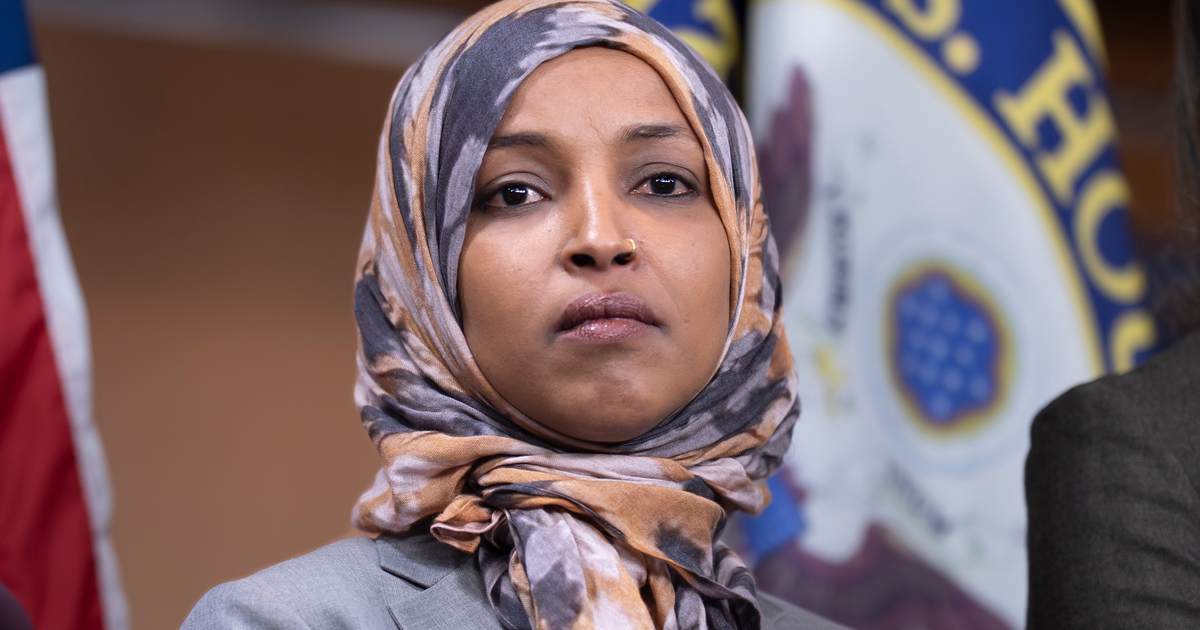
Federal Raid Targets Omar Amid Unresolved Name and Marriage Allegations
Agents searched Rep. Ilhan Omar's DC residence over immigration fraud allegations; she called it bizarre. Reports and commentary questioned her birth name and past marriage details.

Supreme Court Upholds New Hampshire Student ID Voting Ban
The Supreme Court upheld New Hampshire's ban on student IDs as valid voter identification just before midterms, affecting a tight Senate race.
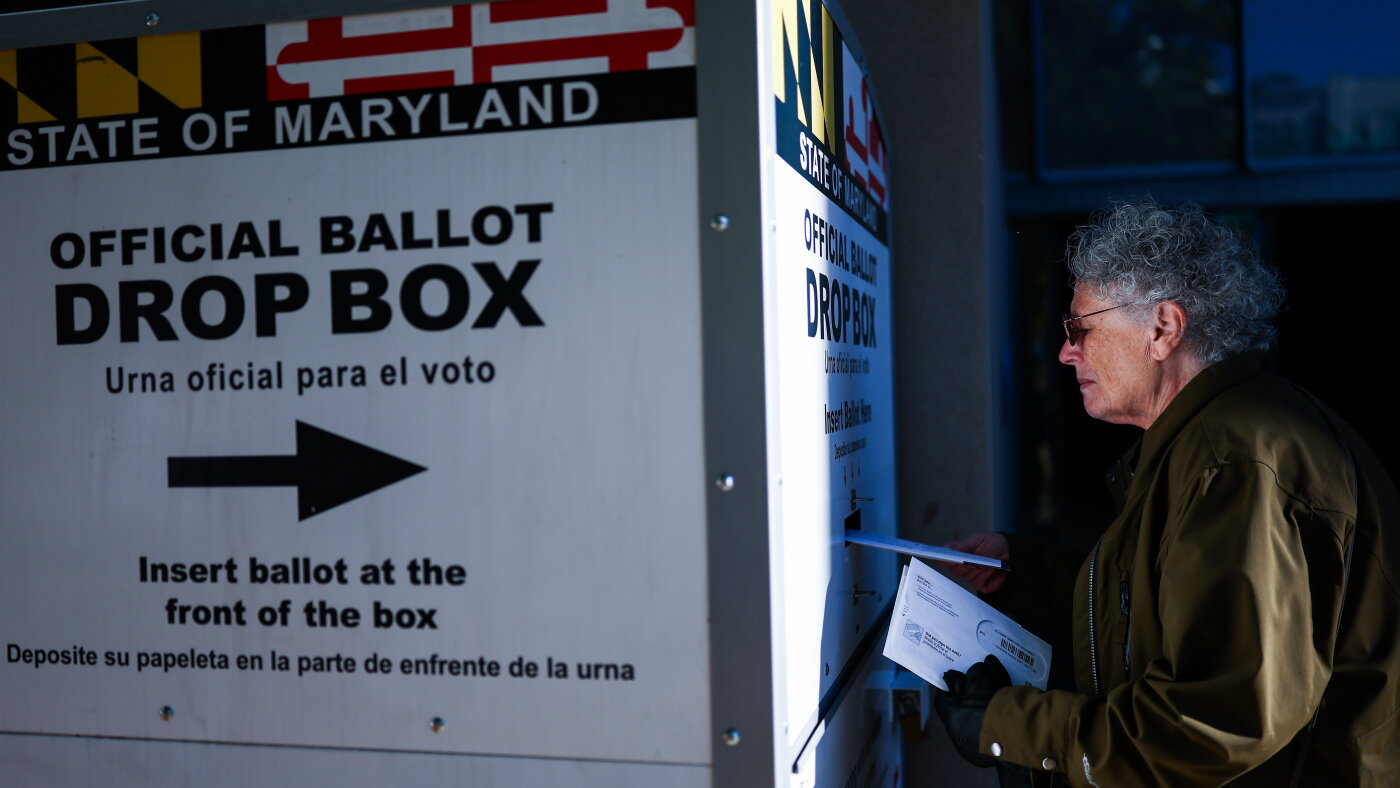
Early Voting Hits 21 Million as Most Trust Midterm Accuracy
Millions have already voted early as parties make final appeals amid $1.4 billion in ad spending; polls show confidence in election accuracy.
The Compass
You just read five takes on one story.
What's your take? Find your political shape in a few minutes.
Take the test