
Trump-Xi Summit Yields Preliminary Trade Pledges, Markets Slide

Cover image from latimes.com, which was analyzed for this article
President Trump called the Beijing meeting a historic moment, but lack of concrete tariff or trade details triggered stock declines and fresh worries for American farmers. Left-leaning and center outlets highlight economic fallout while right-leaning coverage emphasizes diplomatic optics.
PoliticalOS
Sunday, May 17, 2026 — Politics
The summit produced new negotiating structures and limited market-access steps but no finalized tariff reductions or purchase volumes. Markets reacted to that absence of detail, while farmers still face existing duties whose relief depends on talks that have only just been formalized.
What outlets missed
Most coverage omitted prior-year USDA data showing a 65.7 percent drop in U.S. farm exports to China during the previous tariff period, which would have quantified the scale of any new market-access steps. Few outlets reported the exact number of beef-plant registrations China approved or the five-year duration of those extensions. Little attention was given to the administration’s separate claim of a potential 200-plane Boeing purchase or to the fact that Trump stated tariffs were never discussed during the meetings themselves.
Trump Secures Vague Promises From Beijing As American Families Pay More
President Trump wrapped up two days of talks in Beijing with Chinese leader Xi Jinping this week, returning home with preliminary pledges on tariffs and farm exports that Beijing described as works in progress. Chinese officials announced agreements to set up new trade and investment boards, ease some barriers on American beef, and discuss reciprocal tariff reductions on unspecified goods. They also confirmed arrangements for Chinese purchases of U.S. aircraft. Yet the details remain thin, with no firm timelines or product lists attached to the tariff cuts.
The Chinese commerce ministry framed the outcomes as steps toward lowering duties on items of mutual interest, including agricultural products still hit by extra levies from earlier rounds. Five-year extensions for 425 U.S. beef plants and new registrations for 77 others were highlighted as progress on market access. American negotiators pointed to these moves as evidence of a reset after years of friction. White House statements emphasized the personal rapport between the two leaders and the avoidance of new confrontations.
Chinese state media, however, offered a different reading. Social media users revived the nickname Chuan Jianguo, or Nation Builder, for Trump, a label meant to suggest he has helped strengthen China more than the United States through costly missteps. Official commentary noted rising American economic strain and portrayed the summit as further proof of shifting global power. Trump received a clarification that any talk of decline referred only to the prior administration, yet the underlying message of Chinese confidence lingered.
At home, the timing of these announcements coincides with fresh evidence of pressure on ordinary households. Consumer prices rose at their quickest pace in three years last month, outrunning wage growth in many sectors. Gasoline averaged 4.52 dollars a gallon nationally, a more than 40 percent increase from a year earlier, linked in part to the ongoing conflict with Iran. Businesses reported higher input costs not seen since 2022. Consumer confidence hit a record low, families increased borrowing, and savings rates fell. Polls show widespread disapproval of the administration's handling of these issues.
Critics of the Beijing approach argue that symbolic gestures and preliminary boards do little to reverse the broader pattern of trade imbalances and technology transfers that have hollowed out domestic manufacturing. Past rounds of tariffs slowed some imports but left core dependencies intact, particularly in supply chains vital for everyday goods. The new understandings on agriculture may help specific exporters, yet they do not address the cumulative effect of higher energy costs filtering through the economy.
Supporters counter that direct engagement prevents escalation and opens channels for future concessions. They note the aircraft and beef registrations as concrete deliverables that previous diplomatic freezes had blocked. The creation of dedicated trade and investment mechanisms is presented as a way to manage disputes without immediate retaliation.
Still, the gap between announced intentions and measurable relief for working households remains wide. Inflation data and energy prices suggest that foreign policy choices, including prolonged involvement abroad, carry direct costs that land on commuters, small businesses, and families already stretching budgets. Whether the Beijing meetings produce lasting shifts in China's trade practices or simply buy time for further maneuvering will take months to determine. For now, the record shows promises of boards and registrations alongside persistent upward pressure on the prices Americans pay.
You just read America First's take. Want to read what actually happened?
More in Politics

Trump Defends Ramaswamy Ad Using Estranged Mother in Ohio Race
President Trump defended a GOP nominee's ad featuring a Democratic opponent's estranged mother, calling it powerful, while drawing criticism from some Republicans including Ohio Gov. Mike DeWine. The ad has sparked internal GOP tensions ahead of midterms.
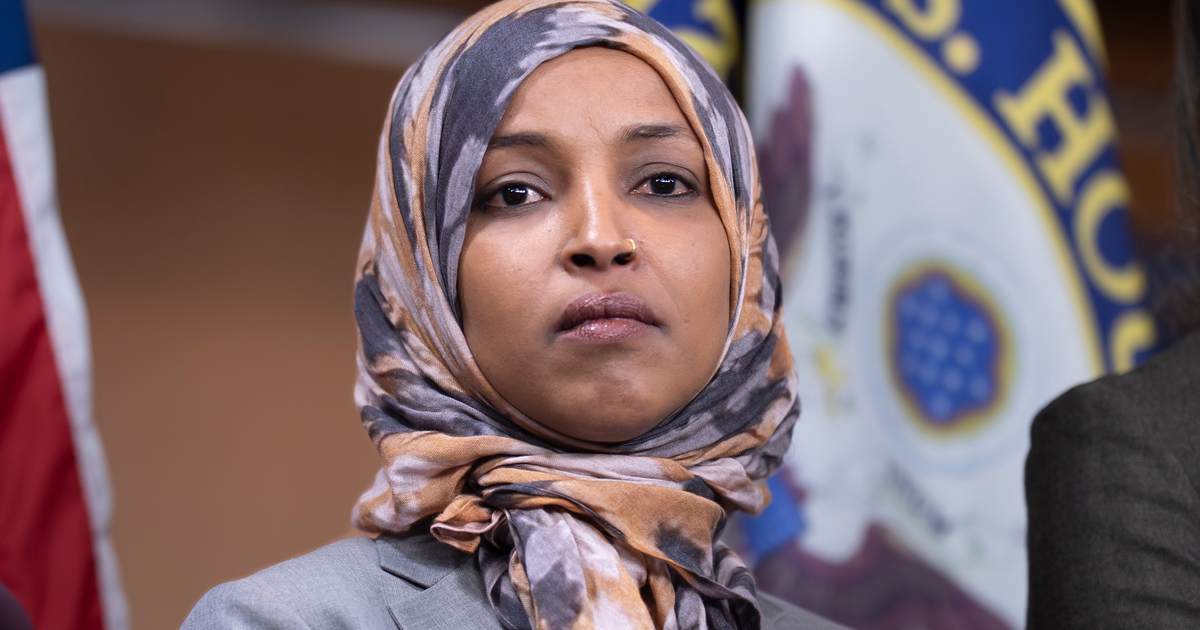
Federal Raid Targets Omar Amid Unresolved Name and Marriage Allegations
Agents searched Rep. Ilhan Omar's DC residence over immigration fraud allegations; she called it bizarre. Reports and commentary questioned her birth name and past marriage details.

Supreme Court Upholds New Hampshire Student ID Voting Ban
The Supreme Court upheld New Hampshire's ban on student IDs as valid voter identification just before midterms, affecting a tight Senate race.
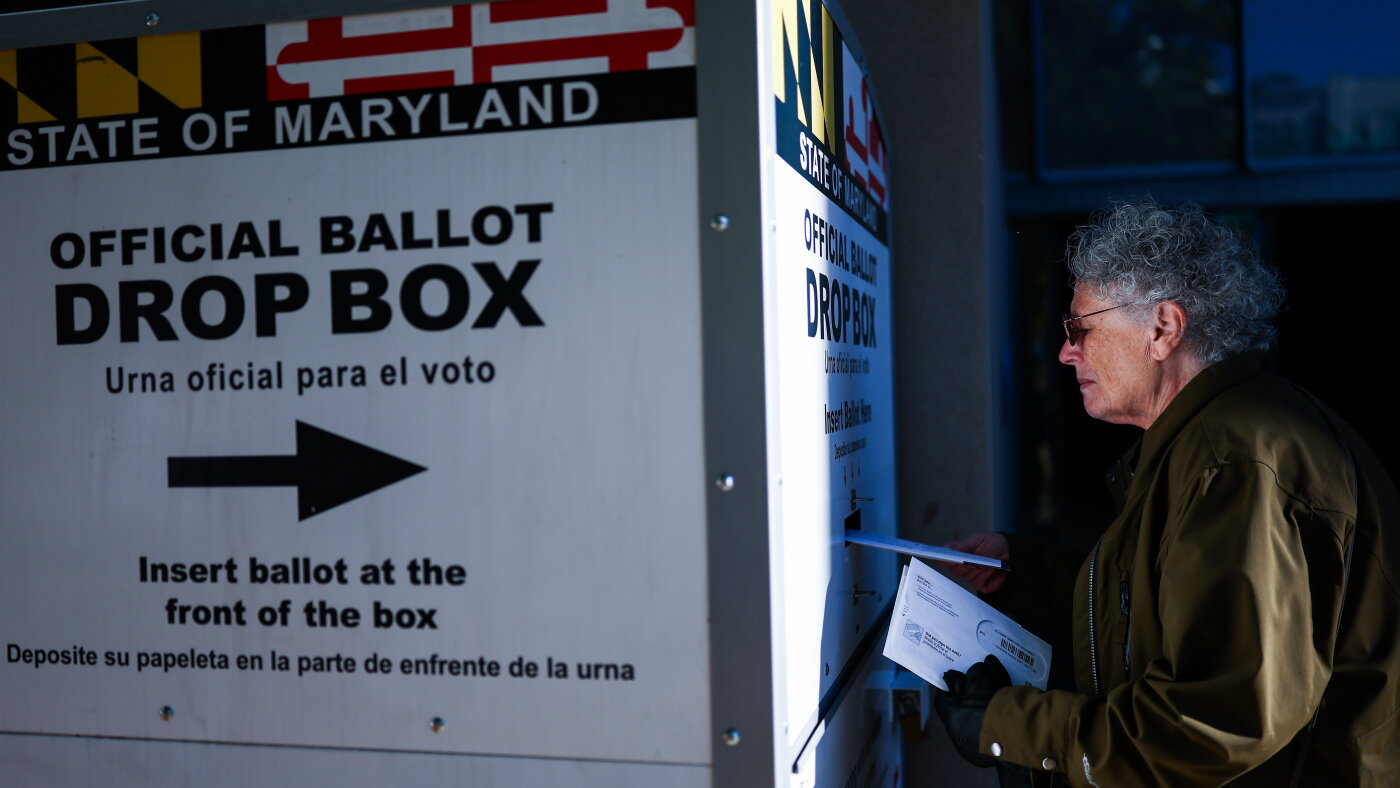
Early Voting Hits 21 Million as Most Trust Midterm Accuracy
Millions have already voted early as parties make final appeals amid $1.4 billion in ad spending; polls show confidence in election accuracy.
The Compass
You just read five takes on one story.
What's your take? Find your political shape in a few minutes.
Take the test