
Trump-Xi Summit Ends With Trade Claims but No Formal Deals
Cover image from foxnews.com, which was analyzed for this article
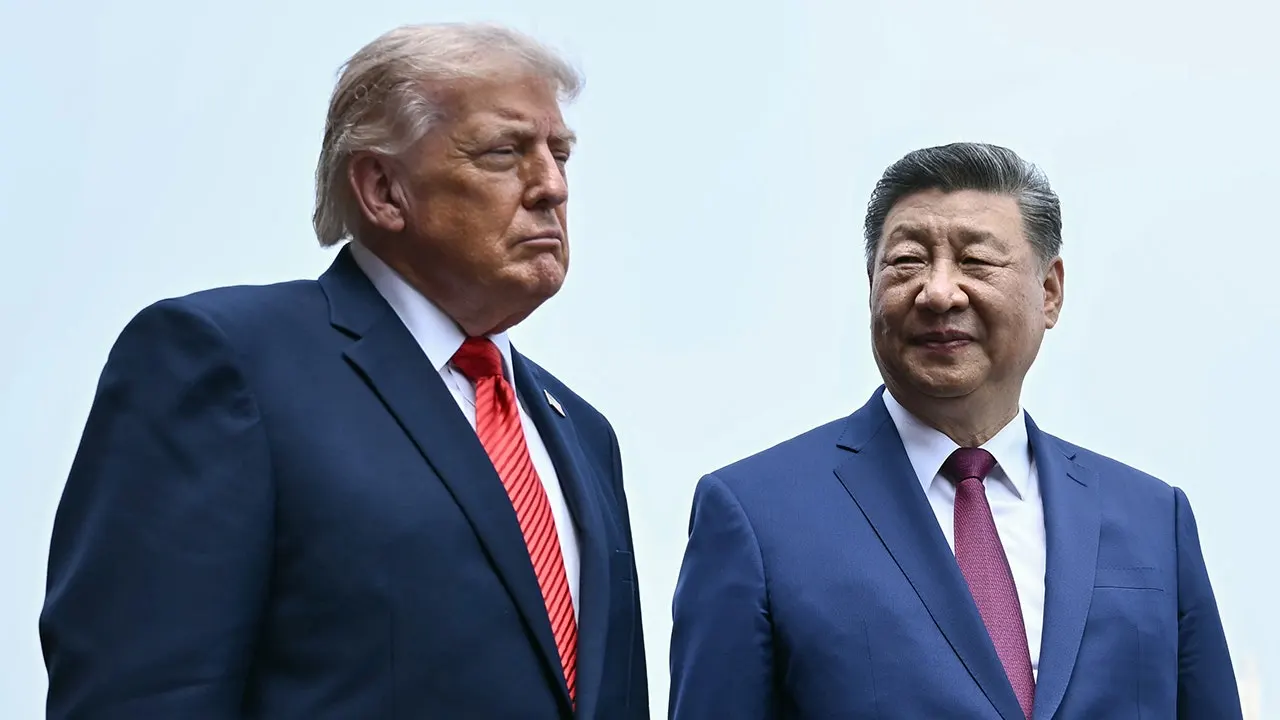
President Trump wrapped up his two-day summit with Xi Jinping amid discussions on trade, security, Taiwan, and technology exports. Trump touted 'fantastic trade deals' and progress, while no formal agreements were announced. Tech CEOs like Nvidia's Jensen Huang and Elon Musk attended key talks.
PoliticalOS
Friday, May 15, 2026 — Politics
The summit produced warm personal rhetoric and discussion of future mechanisms but yielded no announced agreements, leaving trade tensions, Taiwan sensitivities, and Iran-related energy concerns unresolved. Readers should treat specific purchase claims as unverified until confirmed by both governments or the companies involved.
What outlets missed
Several outlets underplayed the specific U.S. delegation composition, including Rubio, Hegseth, and Bessent alongside the CEOs, which clarified the breadth of topics covered. The rescheduling of the summit from March due to the Iran conflict was rarely noted, leaving the timing's connection to energy security unexamined. Market reactions, such as Boeing share movements after unconfirmed purchase claims, received little attention despite their relevance to verifying outcomes. Xi's reported interest in purchasing more U.S. oil to reduce Strait of Hormuz dependence appeared in only some accounts and was not cross-checked against Chinese energy needs.
Trump Returns From China Summit Highlighting Trade Opportunities
President Donald Trump concluded his two-day visit to Beijing on Friday after meetings with Chinese leader Xi Jinping that centered on trade and regional stability. The trip featured a business delegation of American executives, including those from aviation, agriculture, and technology sectors, and produced announcements of potential aircraft purchases alongside discussions on energy routes and nuclear proliferation.
Trump described the outcome as yielding fantastic trade deals that benefit both nations. He noted China's agreement to acquire 200 Boeing jets, marking the first such commitment in nearly a decade. Chinese officials confirmed interest in expanding economic cooperation but stopped short of endorsing broader agreements or a proposed U.S.-China trade board. The visit occurred against the backdrop of ongoing tariff measures, with both sides seeking to extend a truce set to expire in November.
Xi used the opening sessions to establish clear limits, particularly on Taiwan. Official Chinese statements emphasized that U.S. actions must avoid interference in what Beijing views as its internal affairs. Trump responded by declining to make commitments on the issue while observing that war at such distance serves no immediate interest. He also relayed Xi's remarks on the United States as a declining power, attributing that assessment to policies under the prior administration rather than structural factors.
Talks extended to the conflict involving Iran. Both leaders agreed on the need to keep the Strait of Hormuz open for energy shipments, with China expressing opposition to militarization or tolls and interest in increased American oil purchases to diversify supply. Trump noted shared views that Iran should not acquire nuclear weapons.
The itinerary included a state banquet, a 21-gun salute, and a private tea at the Zhongnanhai compound. Trump extended an invitation for Xi to visit the United States in September. Chinese readouts described the meetings as historic, though concrete deliverables remained limited to the Boeing order and general pledges of mutual prosperity.
Critics in some American media outlets portrayed the exchanges as overly conciliatory on Trump's part, citing his praise for Xi's leadership and reluctance to confront the decline narrative directly. Such reactions overlook the incentives at play in high-stakes diplomacy between major powers. Trade volumes and investment flows respond to predictable rules and mutual gains, not public posturing. Past experience shows that aggressive tariff barriers often raise costs for domestic consumers and producers alike while prompting retaliation that disrupts supply chains.
The presence of private-sector leaders during the talks underscores the role of voluntary exchange in shaping outcomes. Companies in aviation and agriculture stand to benefit from expanded orders, potentially increasing employment and innovation on the American side. China's centralized decision-making allows rapid commitments, yet it also concentrates risk when political priorities shift. Empirical patterns from previous U.S.-China engagements indicate that sustained economic interdependence has lifted living standards on both sides more reliably than ideological confrontation.
No comprehensive resolution emerged on tariffs or technology restrictions. Follow-through will depend on implementation details and enforcement mechanisms. Markets have historically priced in such uncertainties by rewarding firms that adapt to price signals rather than waiting for government guarantees. The summit illustrated the enduring tension between political signaling and the underlying arithmetic of comparative advantage.
You just read Conservative's take. Want to read what actually happened?
More in Politics
Trump at 32% Approval as Gas Prices Test GOP Midterm Hopes
NYT/Siena polling showed Trump's approval at historic lows around 32 percent with Democrats leading by double digits in key districts. Early voting has surged in battleground states.

Record Early Voting Hits Battlegrounds, Shifting Partisan Shares
AP analysis found hundreds of thousands more early ballots than in 2022 in states including Texas, Ohio, Kansas, Maine, and North Carolina, shifting partisan dynamics.
Trump Backs Marshall in Kansas Senate Race Tightened by Farm Costs
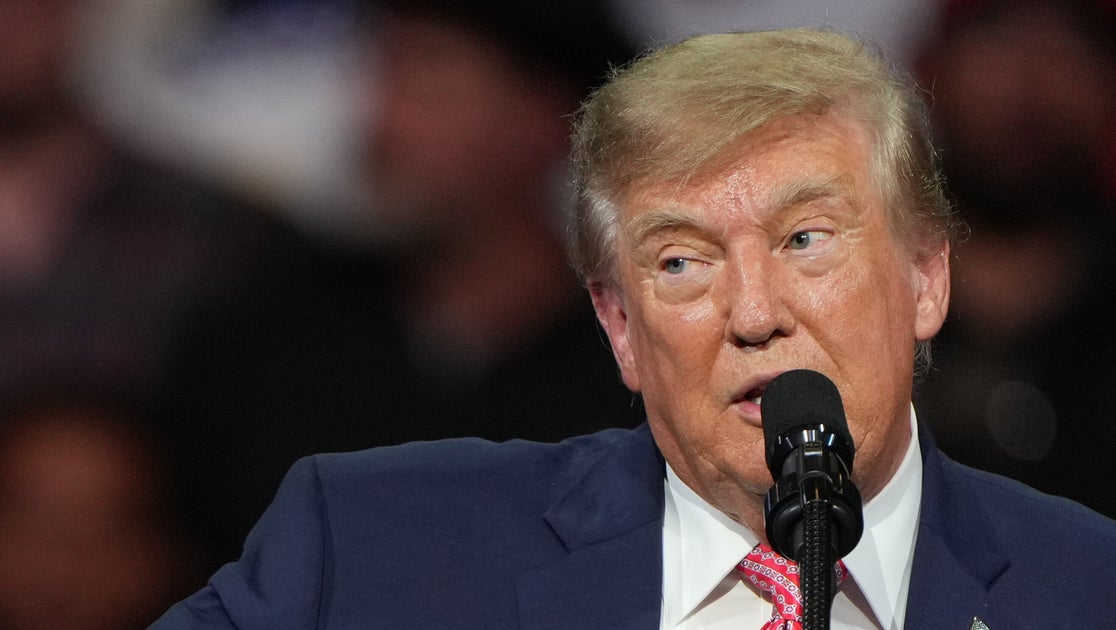
President Trump rallied in deep-red Kansas for GOP Sen. Roger Marshall in a competitive race, announcing an $8 billion farm fuel relief program amid high diesel prices. Democrats see an opening to end 94 years of GOP dominance in the state.

Trump Pauses Russia Sanctions Amid Ukraine Tensions and Missile Strikes
Trump waived sanctions on Russia and floated trilateral talks with Putin and Xi as part of ending the Ukraine war, while tensions rose with Zelenskyy over Starlink and arms. Bipartisan senators engaged Zelenskyy amid the shifts.
The Compass
You just read five takes on one story.
What's your take? Find your political shape in a few minutes.
Take the test