
Trump-Xi Summit Ends With Trade Claims but No Formal Deals
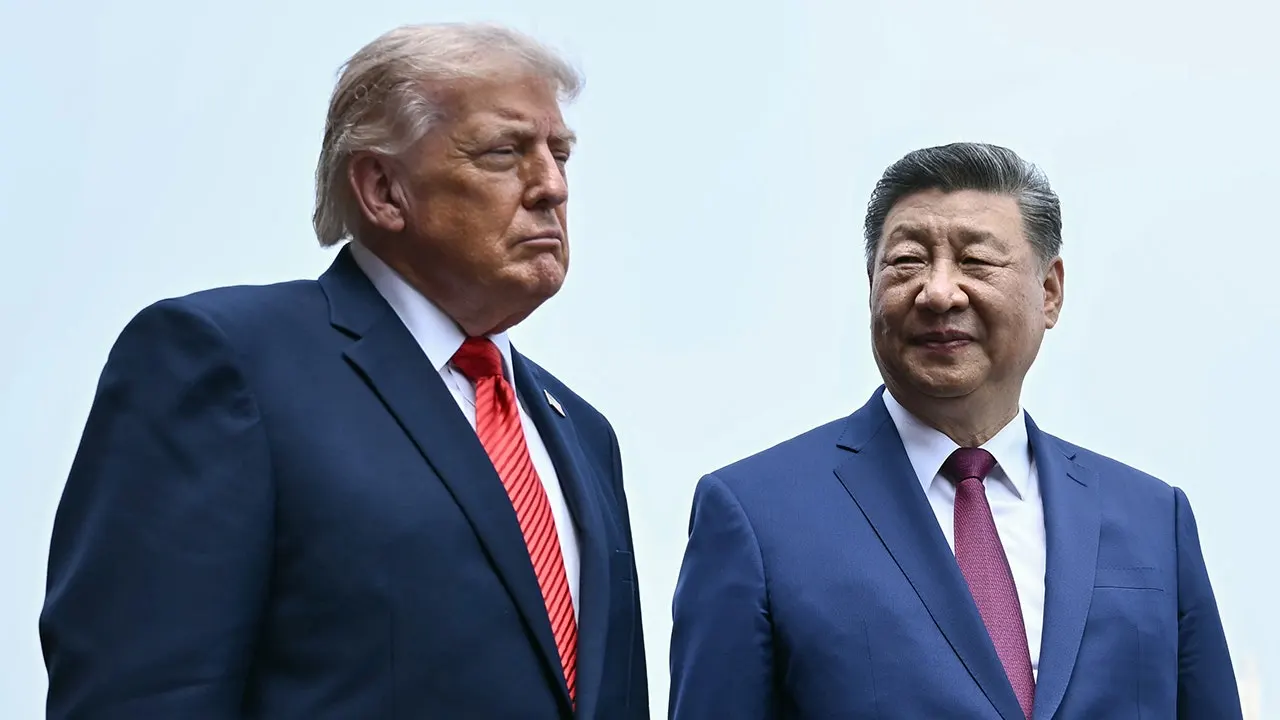
Cover image from foxnews.com, which was analyzed for this article
President Trump wrapped up his two-day summit with Xi Jinping amid discussions on trade, security, Taiwan, and technology exports. Trump touted 'fantastic trade deals' and progress, while no formal agreements were announced. Tech CEOs like Nvidia's Jensen Huang and Elon Musk attended key talks.
PoliticalOS
Friday, May 15, 2026 — Politics
The summit produced warm personal rhetoric and discussion of future mechanisms but yielded no announced agreements, leaving trade tensions, Taiwan sensitivities, and Iran-related energy concerns unresolved. Readers should treat specific purchase claims as unverified until confirmed by both governments or the companies involved.
What outlets missed
Several outlets underplayed the specific U.S. delegation composition, including Rubio, Hegseth, and Bessent alongside the CEOs, which clarified the breadth of topics covered. The rescheduling of the summit from March due to the Iran conflict was rarely noted, leaving the timing's connection to energy security unexamined. Market reactions, such as Boeing share movements after unconfirmed purchase claims, received little attention despite their relevance to verifying outcomes. Xi's reported interest in purchasing more U.S. oil to reduce Strait of Hormuz dependence appeared in only some accounts and was not cross-checked against Chinese energy needs.
Trump Secures Trade Wins in Beijing Despite Xi's Firm Warnings
President Donald Trump concluded his two-day visit to China on Friday after high-level talks with Chinese leader Xi Jinping, emerging with commitments on aircraft purchases and energy cooperation even as Beijing drew clear lines on Taiwan and other strategic issues. The summit unfolded amid ongoing tariff tensions and the broader U.S. conflict with Iran, with Trump emphasizing practical gains for American industry over confrontation.
Trump arrived in Beijing accompanied by a delegation of U.S. business leaders, including executives from aviation, agriculture, and technology sectors. The itinerary included a formal welcome with military honors at the Great Hall of the People, followed by private meetings and a state banquet. During public remarks, Trump described the atmosphere as productive and praised Xi personally, calling him an incredible guy who understands strength. He noted that China had agreed to purchase 200 Boeing jets, marking the first major order of American commercial aircraft in nearly a decade. Trump also highlighted potential investments in the hundreds of billions from Chinese partners tied to the visiting CEOs.
Xi, however, opened the discussions by stressing China's red lines. Official readouts from Beijing made clear that any U.S. moves on Taiwan would risk derailing the improved tone. Trump acknowledged Xi's strong feelings on the matter but stated he made no commitments, adding that avoiding distant conflicts remains a priority. The two leaders also aligned on keeping the Strait of Hormuz open for energy flows and preventing Iran from acquiring nuclear weapons, with China expressing interest in buying more American oil as an alternative supply route.
Trade formed the core of the agenda. Trump repeatedly touted fantastic deals that would benefit both nations, though specific terms beyond the Boeing order remained limited in public announcements. A prior tariff truce is set to expire later this year, and both sides signaled interest in extending stability without major concessions detailed yet. Trump invited Xi and his wife to the White House in September, framing the trip as a step toward sustained dialogue.
Critics in U.S. media portrayed Trump's approach as overly conciliatory, especially after Xi referenced America as a declining power and Trump responded by pointing to damage from the prior administration. Yet the outcome reflected a deliberate focus on extracting concrete orders and investment pledges rather than abstract posturing. With no major breakthroughs announced on broader issues like intellectual property or market access, the visit underscored the limits of personal rapport in addressing deep structural imbalances between the two economies.
Trump boarded Air Force One for the return flight expressing satisfaction with the results. The engagement avoided escalation while securing incremental wins on exports, a pattern consistent with efforts to recalibrate relations on terms that prioritize American manufacturing and energy interests. Further details on any expanded trade framework are expected in coming weeks as follow-up talks proceed.
You just read America First's take. Want to read what actually happened?
More in Politics
Trump at 32% Approval as Gas Prices Test GOP Midterm Hopes
NYT/Siena polling showed Trump's approval at historic lows around 32 percent with Democrats leading by double digits in key districts. Early voting has surged in battleground states.

Record Early Voting Hits Battlegrounds, Shifting Partisan Shares
AP analysis found hundreds of thousands more early ballots than in 2022 in states including Texas, Ohio, Kansas, Maine, and North Carolina, shifting partisan dynamics.
Trump Backs Marshall in Kansas Senate Race Tightened by Farm Costs
President Trump rallied in deep-red Kansas for GOP Sen. Roger Marshall in a competitive race, announcing an $8 billion farm fuel relief program amid high diesel prices. Democrats see an opening to end 94 years of GOP dominance in the state.

Trump Pauses Russia Sanctions Amid Ukraine Tensions and Missile Strikes
Trump waived sanctions on Russia and floated trilateral talks with Putin and Xi as part of ending the Ukraine war, while tensions rose with Zelenskyy over Starlink and arms. Bipartisan senators engaged Zelenskyy amid the shifts.
The Compass
You just read five takes on one story.
What's your take? Find your political shape in a few minutes.
Take the test