
Trump-Xi Summit Ends With Trade Claims but No Formal Deals
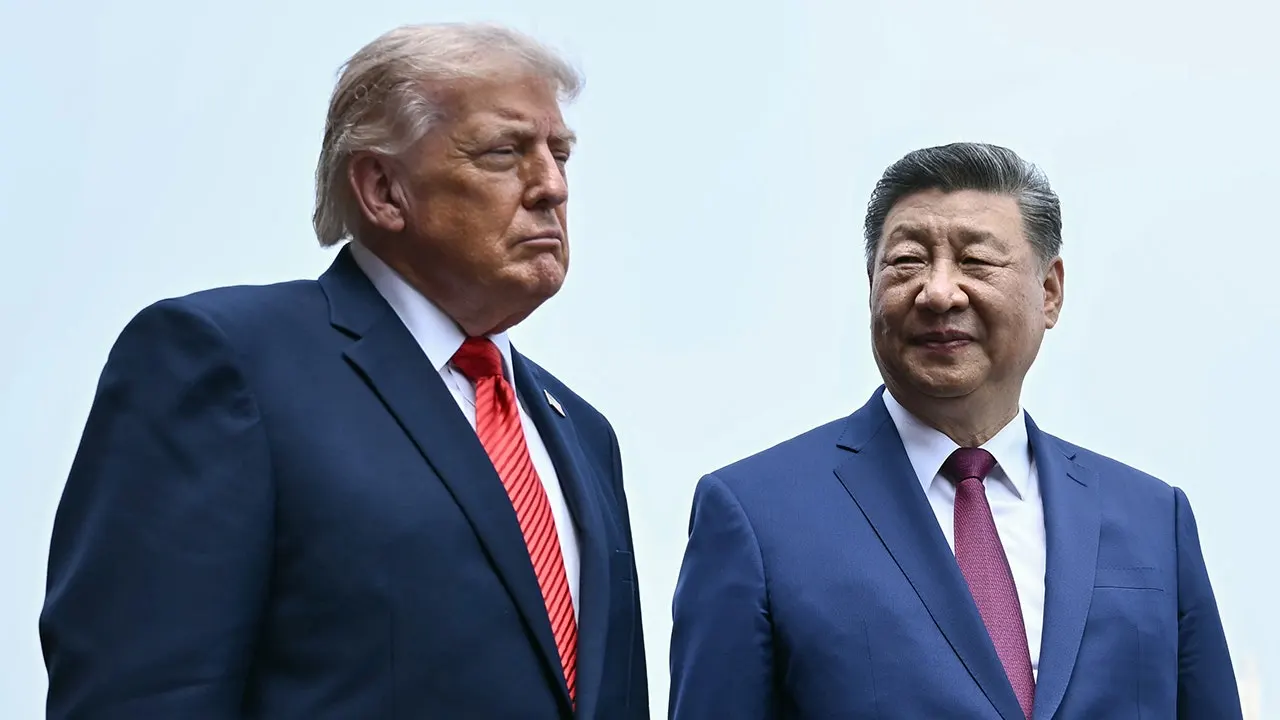
Cover image from foxnews.com, which was analyzed for this article
President Trump wrapped up his two-day summit with Xi Jinping amid discussions on trade, security, Taiwan, and technology exports. Trump touted 'fantastic trade deals' and progress, while no formal agreements were announced. Tech CEOs like Nvidia's Jensen Huang and Elon Musk attended key talks.
PoliticalOS
Friday, May 15, 2026 — Politics
The summit produced warm personal rhetoric and discussion of future mechanisms but yielded no announced agreements, leaving trade tensions, Taiwan sensitivities, and Iran-related energy concerns unresolved. Readers should treat specific purchase claims as unverified until confirmed by both governments or the companies involved.
What outlets missed
Several outlets underplayed the specific U.S. delegation composition, including Rubio, Hegseth, and Bessent alongside the CEOs, which clarified the breadth of topics covered. The rescheduling of the summit from March due to the Iran conflict was rarely noted, leaving the timing's connection to energy security unexamined. Market reactions, such as Boeing share movements after unconfirmed purchase claims, received little attention despite their relevance to verifying outcomes. Xi's reported interest in purchasing more U.S. oil to reduce Strait of Hormuz dependence appeared in only some accounts and was not cross-checked against Chinese energy needs.
Trump Courts Xi With Praise as US-China Summit Ends Without Major Trade Breakthroughs
President Donald Trump wrapped up a two-day visit to Beijing on Friday after meetings with Chinese leader Xi Jinping that featured warm personal rhetoric from the American president and firm boundary-setting from his host on issues like Taiwan. Trump, accompanied by a delegation of U.S. business leaders including Elon Musk, described the talks as highly successful and claimed major trade progress, though few specific agreements were confirmed by either side.
In public remarks, Trump repeatedly praised Xi, calling him a great leader whose influence over 1.4 billion people he admired. The tone stood in contrast to Trump’s frequent domestic criticism of China as an economic rival and strategic threat. Xi, by comparison, focused on core Chinese interests, warning that the United States must handle the Taiwan issue with utmost caution to avoid derailing relations. Chinese state media reported the remarks immediately after the leaders’ initial meeting in the Great Hall of the People, underscoring Beijing’s disciplined messaging.
Trade formed a central topic amid an existing tariff truce set to expire later this year. Trump told reporters that the two sides had reached fantastic deals great for both countries and said China would order 200 Boeing jets. He also indicated that Chinese investment worth hundreds of billions of dollars could flow from the business executives who traveled with him. Chinese officials issued a statement committing to implement consensus reached by the leaders and promote mutual prosperity, yet they did not confirm the aircraft purchase or other large-scale commitments. Analysts noted that the number of planes mentioned fell short of earlier expectations for a major aviation deal.
Trump further said both countries agreed the Strait of Hormuz must remain open to allow energy flows, a point tied to the ongoing U.S. conflict with Iran. Xi expressed interest in buying more American oil to lessen China’s reliance on the waterway. The leaders also shared opposition to Iran acquiring nuclear weapons. Trump extended an invitation for Xi and his wife to visit the White House in September, an offer the Chinese president did not immediately accept in public.
Critics at home seized on Trump’s handling of a remark by Xi that described the United States as perhaps a declining nation. Trump responded on social media by agreeing with the assessment and blaming the previous administration, a reaction that drew sharp commentary from analysts who viewed it as an unnecessary concession. The episode reinforced impressions that Trump sought to build personal rapport with Xi even as the Chinese leader maintained a resolute posture on sovereignty questions.
No breakthrough emerged on broader structural issues such as technology export controls or a proposed U.S.-China trade board. The visit instead highlighted the limits of personal diplomacy in a relationship marked by deep strategic competition. Trump departed Beijing aboard Air Force One after describing Xi as an incredible guy with strong views on Taiwan, while noting he had made no new commitments on the issue.
The summit produced the usual trappings of state hospitality, including a state banquet and a visit to the Zhongnanhai leadership compound. Yet the absence of detailed, verifiable outcomes left observers questioning how much concrete progress had been achieved beyond the exchange of pleasantries and aspirational statements.
You just read Progressive's take. Want to read what actually happened?
More in Politics

Trump Defends Ramaswamy Ad Using Estranged Mother in Ohio Race
President Trump defended a GOP nominee's ad featuring a Democratic opponent's estranged mother, calling it powerful, while drawing criticism from some Republicans including Ohio Gov. Mike DeWine. The ad has sparked internal GOP tensions ahead of midterms.
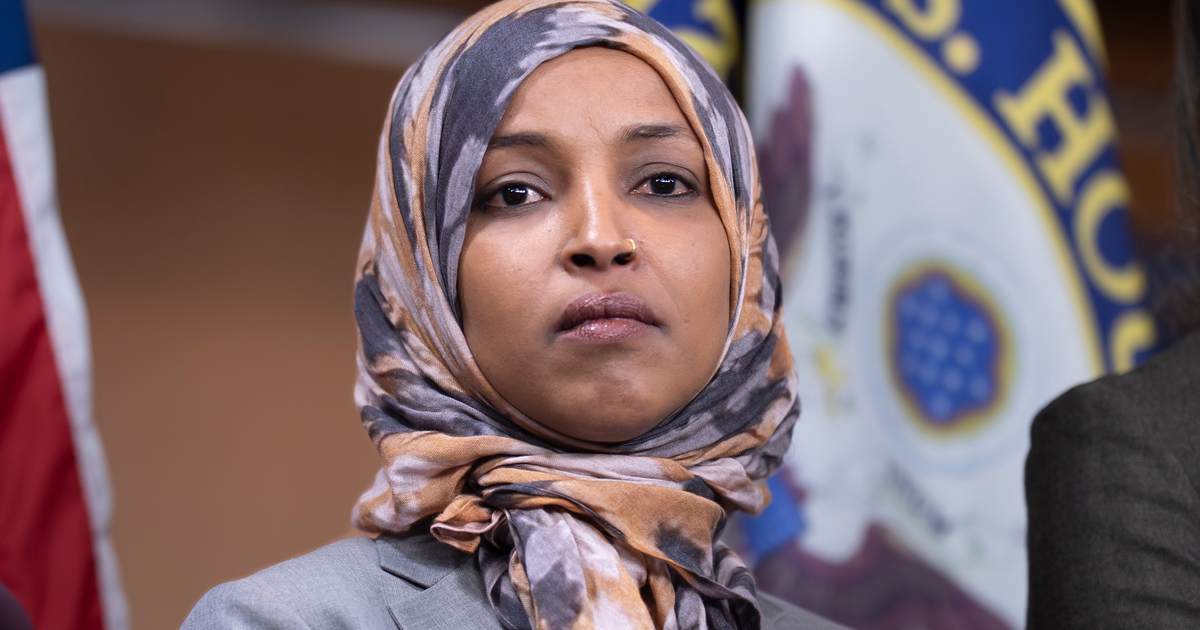
Federal Raid Targets Omar Amid Unresolved Name and Marriage Allegations
Agents searched Rep. Ilhan Omar's DC residence over immigration fraud allegations; she called it bizarre. Reports and commentary questioned her birth name and past marriage details.

Supreme Court Upholds New Hampshire Student ID Voting Ban
The Supreme Court upheld New Hampshire's ban on student IDs as valid voter identification just before midterms, affecting a tight Senate race.
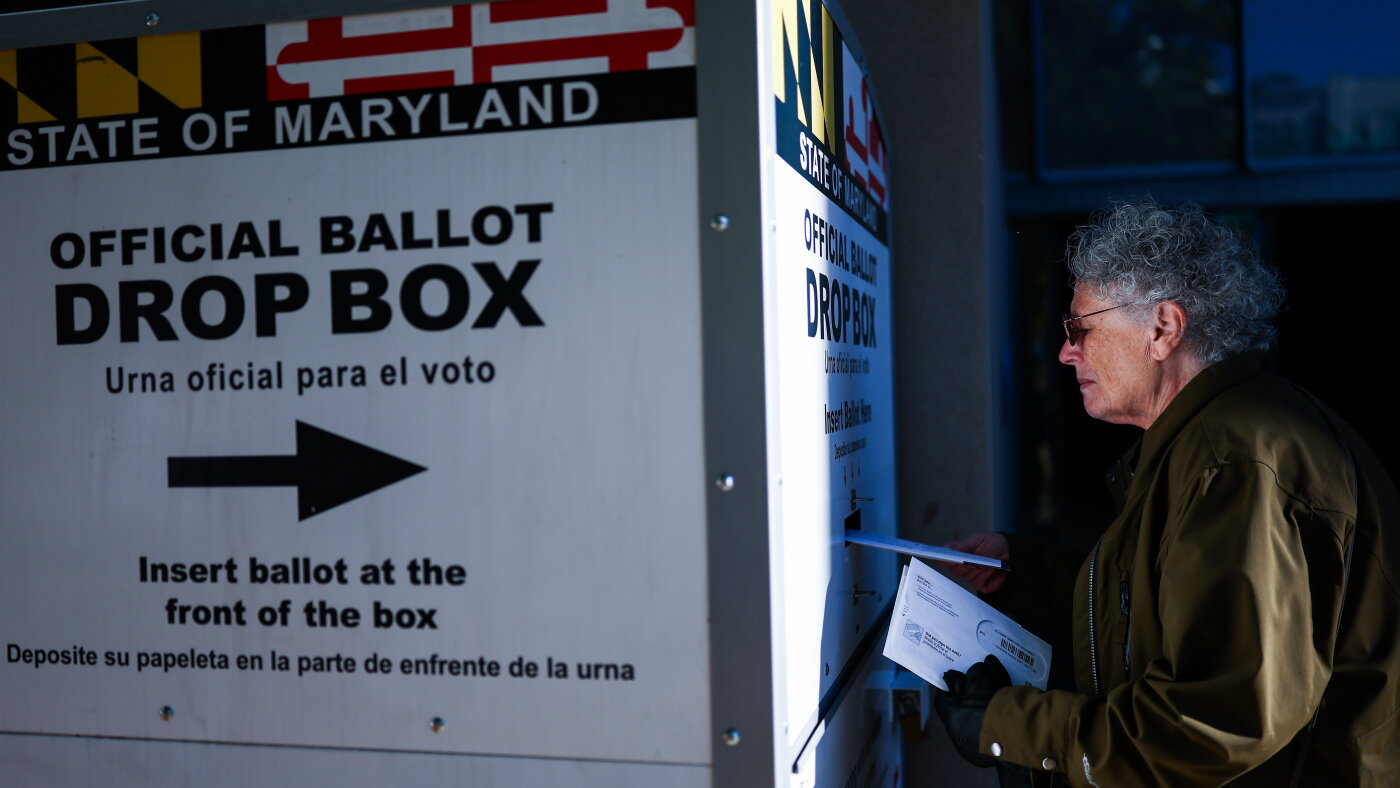
Early Voting Hits 21 Million as Most Trust Midterm Accuracy
Millions have already voted early as parties make final appeals amid $1.4 billion in ad spending; polls show confidence in election accuracy.
The Compass
You just read five takes on one story.
What's your take? Find your political shape in a few minutes.
Take the test