
Trump-Xi Beijing Summit Tests Trade, Taiwan, Iran Ties
Cover image from bbc.com, which was analyzed for this article
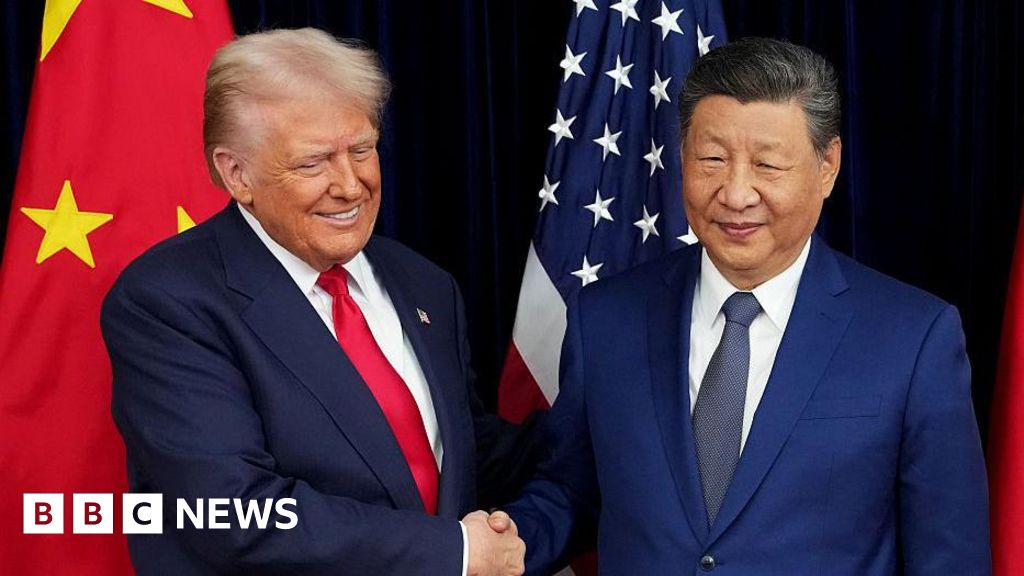
Trump travels to China for talks with Xi on trade, currency, and tensions heightened by Iran war, joined by CEOs like Musk and Cook. Discussions may cover dollar dominance, Taiwan arms, and economic issues. Expectations focus on potential deals amid global turmoil.
PoliticalOS
Monday, May 11, 2026 — Politics
The summit arrives with real economic pressure from the Iran conflict and longstanding disagreements over Taiwan and trade enforcement. Outcomes will depend on whether limited purchase deals can be reached without shifting U.S. positions on arms sales or sanctions, a balance few outlets fully quantified.
What outlets missed
Most coverage omitted the documented postponement of at least two Taiwan arms packages in February and March 2026, which several officials linked directly to pre-summit optics. Few outlets specified the exact count of 17 CEOs traveling or noted that some meeting requests were declined. Human-rights cases involving Pastor Ezra Jin and Jimmy Lai received almost no mention outside advocacy-focused pieces, despite Trump's prior public pledges to raise them. The fiscal impact of a gas-tax suspension on the Highway Trust Fund was rarely quantified despite its relevance to any congressional debate.
Trump Prepares Business-Heavy Delegation for Beijing Summit with Xi
President Donald Trump departs for China this week accompanied by a delegation of seventeen technology and finance executives, including Tesla chief Elon Musk, Apple outgoing leader Tim Cook, and BlackRock head Larry Fink. The visit, set for May 13 through 15, marks the first presidential trip to Beijing in nearly a decade and centers on efforts to secure purchase agreements and ease strains in bilateral trade.
White House officials described the group as a practical means to pursue concrete commercial outcomes rather than abstract diplomatic gestures. Topics expected to surface include artificial intelligence export rules, investment barriers, and the massive trade imbalance that has persisted despite earlier tariff pauses. Trump has indicated he aims to extract substantial commitments from Chinese counterparts, consistent with his long-standing emphasis on reciprocal market access that benefits American producers and consumers.
The summit occurs against the backdrop of elevated energy costs tied to the ongoing conflict involving Iran. Blockades at the Strait of Hormuz have restricted oil flows, pushing average U.S. gasoline prices above four dollars and a half per gallon. Trump has called for a temporary suspension of the federal gas tax, which stands at 18.4 cents per gallon, until supply conditions normalize. Such a step would require congressional approval and would deliver modest but immediate relief to households and businesses reliant on transportation.
Taiwan security arrangements also figure into the agenda. Trump confirmed he will address arms sales with Xi, noting Chinese objections while reiterating America's legal obligations to assist the island's defense. He expressed confidence that tensions will not escalate under his watch, citing the personal rapport developed with the Chinese leader. This approach reflects a preference for direct negotiation over prolonged standoffs that raise costs for all parties involved.
Background negotiations reveal the limits of prior tariff escalations. Measures imposed in 2018 and expanded later triggered retaliatory duties exceeding 100 percent on key goods, disrupting supply chains and raising input prices for U.S. manufacturers. A subsequent pause in South Korea last year created breathing room, yet underlying frictions over technology transfers and market distortions remain unresolved. The presence of corporate executives signals an intent to leverage private-sector incentives to identify workable arrangements that government-to-government channels alone have struggled to produce.
Observers note that China's own energy needs, including dependence on Iranian crude, create overlapping interests that could encourage cooperation on stabilizing oil routes. Treasury officials have signaled expectations that Beijing will play a constructive role in related diplomatic efforts. Meanwhile, proposals to address specific human rights cases, such as those of detained religious figures or pro-democracy advocates, have been flagged by the administration, though the primary thrust remains economic.
The outcome will hinge on whether both sides can align incentives around expanded trade volumes and reduced regulatory hurdles rather than renewed protectionist cycles. Historical patterns suggest that voluntary exchanges between producers and buyers tend to expand overall wealth more reliably than managed outcomes dictated from capitals. Trump arrives with leverage from recent sanctions and military posture, yet the delegation underscores the administration's recognition that sustained growth depends on restoring predictable commercial ties.
You just read Conservative's take. Want to read what actually happened?
More in Politics

Trump Defends Ramaswamy Ad Using Estranged Mother in Ohio Race
President Trump defended a GOP nominee's ad featuring a Democratic opponent's estranged mother, calling it powerful, while drawing criticism from some Republicans including Ohio Gov. Mike DeWine. The ad has sparked internal GOP tensions ahead of midterms.
Federal Raid Targets Omar Amid Unresolved Name and Marriage Allegations
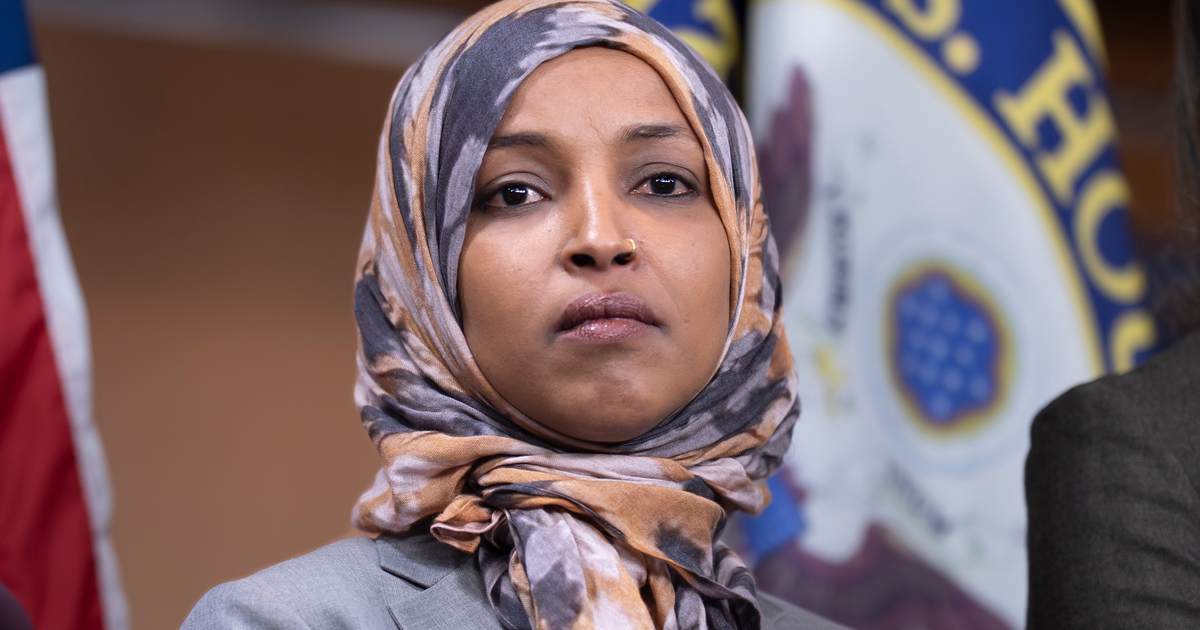
Agents searched Rep. Ilhan Omar's DC residence over immigration fraud allegations; she called it bizarre. Reports and commentary questioned her birth name and past marriage details.

Supreme Court Upholds New Hampshire Student ID Voting Ban
The Supreme Court upheld New Hampshire's ban on student IDs as valid voter identification just before midterms, affecting a tight Senate race.
Early Voting Hits 21 Million as Most Trust Midterm Accuracy
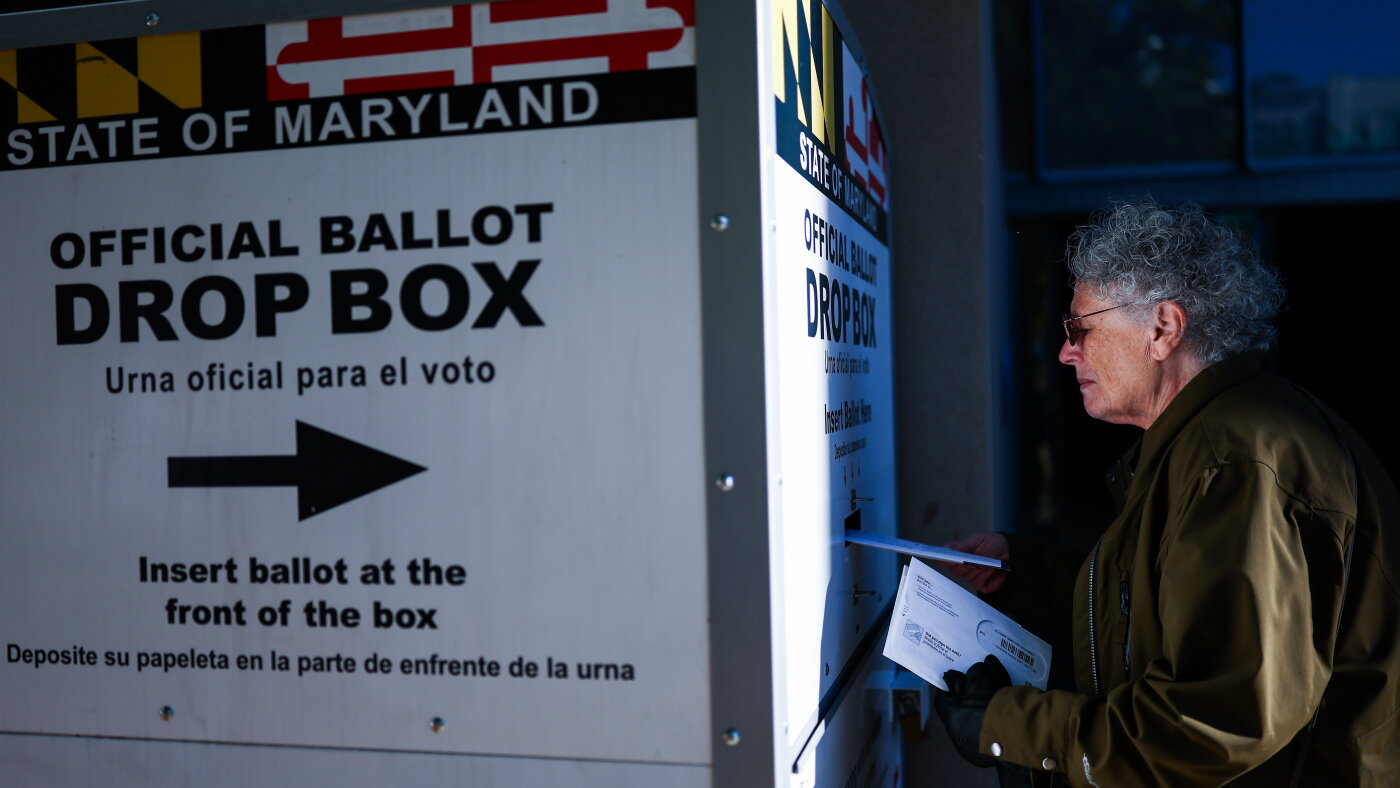
Millions have already voted early as parties make final appeals amid $1.4 billion in ad spending; polls show confidence in election accuracy.
The Compass
You just read five takes on one story.
What's your take? Find your political shape in a few minutes.
Take the test