
Trump-Xi Beijing Summit Tests Trade, Taiwan, Iran Ties
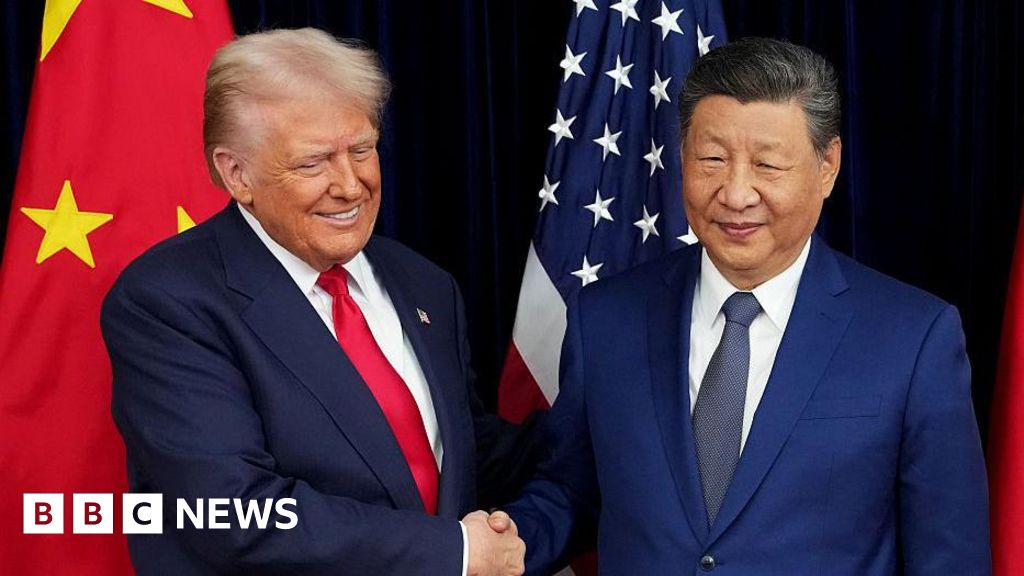
Cover image from bbc.com, which was analyzed for this article
Trump travels to China for talks with Xi on trade, currency, and tensions heightened by Iran war, joined by CEOs like Musk and Cook. Discussions may cover dollar dominance, Taiwan arms, and economic issues. Expectations focus on potential deals amid global turmoil.
PoliticalOS
Monday, May 11, 2026 — Politics
The summit arrives with real economic pressure from the Iran conflict and longstanding disagreements over Taiwan and trade enforcement. Outcomes will depend on whether limited purchase deals can be reached without shifting U.S. positions on arms sales or sanctions, a balance few outlets fully quantified.
What outlets missed
Most coverage omitted the documented postponement of at least two Taiwan arms packages in February and March 2026, which several officials linked directly to pre-summit optics. Few outlets specified the exact count of 17 CEOs traveling or noted that some meeting requests were declined. Human-rights cases involving Pastor Ezra Jin and Jimmy Lai received almost no mention outside advocacy-focused pieces, despite Trump's prior public pledges to raise them. The fiscal impact of a gas-tax suspension on the Highway Trust Fund was rarely quantified despite its relevance to any congressional debate.
Trump Brings Corporate Heavyweights to China for Critical Talks With Xi
President Donald Trump departs for Beijing this week at the head of a delegation packed with America's leading business executives, setting up a direct confrontation with Chinese leader Xi Jinping over trade, technology, and security flashpoints that have long disadvantaged U.S. workers.
The three-day visit beginning May 13 represents the first presidential trip to China in nearly a decade and arrives against the backdrop of a shaky trade truce. Last year's sweeping tariffs triggered retaliatory measures that pushed duties above 100 percent in some cases before both sides paused the escalation during an earlier meeting in South Korea. Trump has signaled he intends to press for concrete purchase commitments and better market access rather than vague promises.
Seventeen tech and finance chiefs will accompany the president, including Tesla's Elon Musk, Apple's Tim Cook, BlackRock's Larry Fink, Boeing's Kelly Ortberg, and executives from Meta, Citigroup, and Goldman Sachs. Their presence underscores the administration's strategy of leveraging private sector muscle to extract deals that could revive domestic manufacturing and reduce reliance on Chinese supply chains. Trade imbalances have already cost millions of American jobs in steel, autos, and electronics, and Trump has repeatedly framed the summit as an opportunity to reverse that flow.
Taiwan and the ongoing conflict with Iran top the agenda alongside economics. Trump confirmed he will raise arms sales to the island, noting that Xi prefers the United States step back from its longstanding defense commitments. Washington follows a one-China policy but remains Taiwan's primary security partner, with recent packages exceeding $11 billion. Trump expressed confidence that tensions will not boil over on his watch, citing his personal rapport with Xi.
The Iran war adds urgency. Blockades in the Strait of Hormuz have driven average gasoline prices above $4.50 a gallon, more than 50 percent higher than pre-conflict levels. Trump told reporters he wants Congress to suspend the 18.4-cent federal gas tax temporarily to give drivers relief, with the levy restored once prices stabilize. He described a diplomatic off-ramp with Tehran as still viable even as the ceasefire appears fragile, and he is expected to urge Beijing to help reopen oil lanes. China buys most of Iran's crude exports and has drawn U.S. sanctions for continuing those purchases despite restrictions on Chinese refiners.
Human rights concerns, including the detention of prominent figures in Hong Kong and the mainland, will also surface, though the core focus remains restoring leverage in a relationship where Beijing has held the upper hand for years. Trump has described the trip as a chance to achieve substantial results rather than symbolic gestures.
The stakes extend beyond immediate headlines. A durable agreement could ease pressure on American households facing elevated energy costs and open doors for U.S. firms in artificial intelligence and advanced manufacturing. Failure risks renewed tariff warfare that would further strain supply chains already disrupted by the Middle East conflict. Trump arrives with a clear mandate from voters who elected him to prioritize domestic interests over multilateral niceties, and the assembled CEOs will be judged by whether they deliver tangible gains or simply reinforce the status quo that has favored Chinese state enterprises.
You just read America First's take. Want to read what actually happened?
More in Politics

Trump at 32% Approval as Gas Prices Test GOP Midterm Hopes
NYT/Siena polling showed Trump's approval at historic lows around 32 percent with Democrats leading by double digits in key districts. Early voting has surged in battleground states.

Record Early Voting Hits Battlegrounds, Shifting Partisan Shares
AP analysis found hundreds of thousands more early ballots than in 2022 in states including Texas, Ohio, Kansas, Maine, and North Carolina, shifting partisan dynamics.

Trump Backs Marshall in Kansas Senate Race Tightened by Farm Costs
President Trump rallied in deep-red Kansas for GOP Sen. Roger Marshall in a competitive race, announcing an $8 billion farm fuel relief program amid high diesel prices. Democrats see an opening to end 94 years of GOP dominance in the state.

Trump Pauses Russia Sanctions Amid Ukraine Tensions and Missile Strikes
Trump waived sanctions on Russia and floated trilateral talks with Putin and Xi as part of ending the Ukraine war, while tensions rose with Zelenskyy over Starlink and arms. Bipartisan senators engaged Zelenskyy amid the shifts.
The Compass
You just read five takes on one story.
What's your take? Find your political shape in a few minutes.
Take the test